Will Credit Cards Negotiate Interest Rates? Ways to Lower APR


Introduction
Many credit cardholders wonder if the interest rate on their monthly statement is a fixed cost or a flexible term. The direct answer is that credit card interest rates are often negotiable. Credit card issuers operate in a highly competitive market and frequently adjust terms to retain loyal customers or respond to changes in a borrower's financial profile. MoneyAtlas tracks these trends and provides tools to help consumers compare current market rates against their own accounts. If you want to see how your current card stacks up against the market, start with our best credit cards comparison. This article covers the specific steps required to request a rate reduction, the factors that influence an issuer's decision, and the alternatives available if a negotiation does not result in a lower Annual Percentage Rate (APR). Understanding how to navigate these conversations can significantly reduce the cost of carrying a balance.
The Mechanics of Negotiating Your Interest Rate
Credit card interest rates are rarely set in stone for the life of the account. Most credit cards feature a variable APR, which means the rate is tied to an index like the U.S. Prime Rate. When the Federal Reserve adjusts interest rates, your credit card APR typically follows. However, issuers also have the discretion to adjust the "margin" they add to that index based on your individual risk profile.
Issuers are often willing to lower rates to keep a customer from moving their balance to a competitor. It is generally more expensive for a bank to acquire a new customer through marketing and sign-up bonuses than it is to retain an existing one. If you have been a loyal customer for several years, you represent a known quantity with a proven repayment history. This history is a valuable asset in a negotiation.
Why Issuers Might Agree to a Lower Rate
Several factors can motivate a credit card company to grant a rate reduction. A significant increase in your credit score is one of the most common reasons. If you opened your account with a "fair" credit score but have since moved into the "excellent" range, you no longer represent the same level of risk to the bank.
Consistent on-time payment history is another critical factor. If you have never missed a payment in two or three years, you have demonstrated reliability. Banks may also offer lower rates as a hardship concession. If you are experiencing a temporary financial setback, such as a job loss or medical emergency, an issuer might lower your rate temporarily to ensure you can continue making at least the minimum payments.
The Impact of a Lower APR on Your Balance
Even a small reduction in your APR can lead to substantial savings over time. Interest on credit cards usually compounds daily. This means the bank divides your APR by 365 to find a daily periodic rate, then applies that rate to your balance every day.
For someone carrying a $5,000 balance at a 24% APR, the annual interest cost is roughly $1,200 if the balance remains static. If that individual successfully negotiates the rate down to 18%, the annual interest cost drops to approximately $900. That 6% difference saves the cardholder $300 a year. This extra money can be redirected toward the principal balance, which accelerates the debt repayment process and reduces the total time spent in debt.
Preparing for a Negotiation Call
Preparation is the most important part of the negotiation process. Before calling your issuer, you should have a clear understanding of your current account status and the broader market. Review your most recent statement to find your current APR for purchases. Note that this may be different from your APR for cash advances or balance transfers.
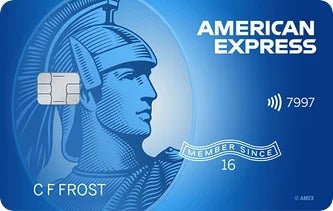
Check your credit score to see if it has improved since you first opened the account. A higher score provides leverage. You should also research the current rates being offered by other lenders. For a quick reference point on what a major no-fee card looks like today, review the Blue Cash Everyday Card from American Express. If you see a competitor offering a significantly lower rate for a similar card, write down the details of that offer.
Gathering Your Leverage Points
- Length of relationship: Note how many years you have held the account.
- Payment history: Confirm that you have a 100% on-time payment record.
- Competitor offers: Find 2 or 3 specific cards with lower APRs.
- Credit score: Know your current score and how much it has increased.
A Step-by-Step Guide to Negotiating Your Rate
Once you have gathered your information, follow these steps to conduct the negotiation.
How to Negotiate Your Credit Card Rate
- 1
Contact customer service
Call the number on the back of your card. When you reach a representative, state clearly that you would like to discuss a reduction in your interest rate.
- 2
Present your case
Mention your loyalty to the bank and your history of on-time payments. For example, you might say, "I have been a customer for five years and have never missed a payment. My credit score has improved significantly, and I am seeing offers from other banks for rates 5% lower than my current APR."
- 3
Ask for a specific reduction
Do not just ask for a "lower rate." Instead, ask if they can match a specific competitor's rate or if they can lower your APR by a specific number of percentage points.
- 4
Request a supervisor
The first representative you speak with may not have the authority to change account terms. Politely ask to speak with the "retention department" or a supervisor. These departments often have more flexibility to offer better terms to prevent a customer from closing their account.
- 5
Inquire about temporary promotions
If the issuer will not grant a permanent rate reduction, ask if there are any temporary promotional rates available. Some issuers can offer a 0% or low-interest rate for 6 to 12 months as a courtesy.
- 6
Get the agreement in writing
If they agree to a lower rate, ask when the change will take effect and request a confirmation letter or email. Monitor your next statement to ensure the new rate is applied correctly.
What to Do When a Rate Reduction is Denied
An issuer may deny a request for several reasons, including a low credit score or a history of late payments. Some institutions, such as certain credit unions or specific large banks, have rigid policies that prevent representatives from adjusting rates on an individual basis. If your request is denied, do not assume you are out of options.
Ask the representative exactly what you would need to do to qualify for a lower rate in the future. They might suggest waiting six months or paying down your balance to a certain level. If the refusal is based on your credit score, focus on improving your credit utilization ratio by paying down balances.
Exploring Balance Transfer Options
If your current issuer will not budge, moving your balance to a new card might be the most effective way to lower your interest costs. Many cards offer an introductory 0% APR on balance transfers for 12 to 21 months. This can provide a long window where 100% of your payment goes toward the principal.
Considering Debt Consolidation
For those with large balances across multiple cards, a personal loan might be a better fit than a simple rate negotiation. Personal loans often feature lower fixed interest rates than credit cards. By using a loan to pay off high-interest credit cards, you consolidate multiple payments into one and potentially lower your total interest expense.
This strategy is most effective for borrowers with good credit scores who can qualify for a loan rate significantly lower than their current card APRs. It also provides a fixed repayment term, which helps ensure the debt is fully retired by a specific date. To compare repayment terms and rates, review our personal loan comparison.
How Rate Negotiation Affects Credit Scores
Simply asking for a lower interest rate does not impact your credit score. It is a customer service inquiry, not an application for new credit. Unlike applying for a new card, which triggers a "hard inquiry" that can temporarily lower your score, a rate negotiation usually involves a "soft pull" or no credit check at all.
A successful negotiation can actually help improve your credit score over time. By lowering your interest rate, you can pay down your balance more quickly. This reduces your credit utilization ratio, which is the amount of credit you are using compared to your total limits. Credit utilization is the second most important factor in your FICO score, so a lower balance generally leads to a higher score.
If you want a broader refresher on this topic, read how lower interest rates on credit cards can help you save.
Long-Term Strategies for Lower Interest Costs
The most effective way to handle credit card interest is to avoid it entirely. Most credit cards offer a grace period, which is the time between the end of the billing cycle and the payment due date. If you pay your statement balance in full every month by the due date, the issuer will not charge interest on your purchases.
If you must carry a balance, make it a habit to review your rates annually. Market conditions and your credit profile change constantly. A rate that was competitive two years ago might be high by today's standards. Regularly checking your accounts and comparing them against the current market ensures you are never paying more than necessary for the credit you use.
If you are deciding between keeping a fee-free card or moving on to a different product, compare the best no annual fee credit cards. For a practical overview of card APR basics, see what APR means on a credit card.
MoneyAtlas compares over 1,500 products to help you stay informed about the best available terms. Whether you choose to negotiate with your current bank or move your business elsewhere, staying proactive is the key to maintaining a healthy financial life.
MoneyAtlas Staff
Articles and reviews from the MoneyAtlas editorial team — independent research on credit cards, banking, loans, insurance, and investing.
Related Articles

Which Card Is Better: American Express Gold or Platinum?
Deciding which card is better: American Express Gold or Platinum? Compare fees, 4X dining rewards, and luxury travel perks to find your perfect match.

Should I Get an American Express Gold Card? Breaking Down the Value
Should I get an American Express Gold card? Explore the 4X rewards on dining and groceries vs. the $325 fee to see if this premium card fits your budget.

How to Get the American Express Gold Card: A Practical Guide
Learn how to get the American Express Gold Card with our guide on credit score requirements, income, and the 'Apply with Confidence' tool. Apply today!