Is Gold American Express Card Good: Reviewing the $325 Fee


Introduction
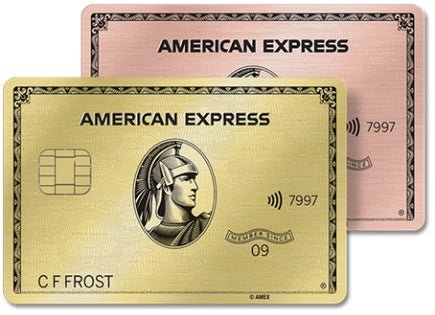
The decision to apply for the American Express® Gold Card often comes down to a single question: can your spending habits outweigh the $325 annual fee? This card is frequently cited as a top choice for foodies because of its high rewards rate on dining and groceries. However, the fee is significantly higher than many entry-level rewards cards. MoneyAtlas evaluates the specific math behind the credits and point structures to help you determine if the value justifies the cost. This post covers the card's earning categories, the mechanics of its monthly credits, and how it compares to other travel cards. The American Express® Gold Card is a powerful tool for high spenders in specific categories, but it requires active management to be a "good" financial move.
How the American Express® Gold Card Works
Unlike a standard credit card that offers a flat rewards rate, the American Express® Gold Card uses a tiered system focused on daily essentials. It earns Membership Rewards points, which is a flexible currency. You can use these points to book travel through the American Express portal or transfer them to various airline and hotel partners. For a broader look at similar products, browse MoneyAtlas rewards credit card rankings.
The card also features a "Pay Over Time" limit. While it is not a traditional credit card with a fixed credit limit, it allows you to carry a balance with interest on certain purchases. Most users treat it as a charge card, meaning they pay the balance in full every month to avoid interest charges.
The Point Earning Structure
The primary draw of this card is its earning potential in two major categories. It is designed to reward you for the money you already spend on food.
Dining and Restaurants
You earn 4% back in points (4 points per $1) at restaurants worldwide. This includes takeout and delivery services in the U.S. This rate applies to the first $50,000 in purchases per calendar year. After you hit that limit, the rate drops to 1% for the remainder of the year.
U.S. Supermarkets
The card also offers 4% back in points at U.S. supermarkets. This is capped at $25,000 in purchases per calendar year. Once you reach that threshold, you earn 1% on those purchases. This makes it one of the most competitive options for grocery shopping in the U.S. market.
Travel and Other Spending
For travel, you earn 3% back in points on flights booked directly with airlines or through the American Express travel portal. You also earn 2% on prepaid car rentals and cruises booked through the portal. All other eligible purchases earn a flat 1% back in points.
Breaking Down the Annual Credits
To offset the $325 annual fee, American Express provides several monthly and semi-annual credits. If you already use these services, the credits act like a rebate on the fee. However, they are "use it or lose it" benefits, meaning they do not roll over to the next month. Learn how to assess this trade-off with MoneyAtlas's guide to evaluating credit card annual fees and rewards.
Uber Cash
Cardholders receive $10 in Uber Cash each month, totaling up to $120 per year. This can be used for Uber rides in the U.S. or for Uber Eats orders. You must add your card to the Uber app to receive this benefit.
Monthly Dining Credit
You can earn up to $10 in statement credits monthly when you pay with the card at participating partners. These include:
- Grubhub
- The Cheesecake Factory
- Five Guys
- Buffalo Wild Wings
- Wonder
This totals another $120 in annual value. Enrollment is required through your online account to activate this perk.
Resy and Dunkin' Credits
As part of recent updates, the card now includes a $100 Resy credit. This is split into two $50 credits provided semi-annually (January to June, and July to December). You can use this at any U.S. restaurant that uses the Resy platform. Additionally, there is an $84 annual Dunkin' credit, delivered as $7 monthly statement credits for purchases at U.S. Dunkin' locations.
Evaluating the Welcome Offer
New cardholders are often eligible for a welcome bonus. For example, you might see an offer for 60,000 to 100,000 Membership Rewards points after spending a certain amount, such as $8,000, within the first 6 months of account opening.
These bonuses change frequently. It is important to check the current offer on the provider's site or use a comparison tool to see the most recent data. These points are often valued at 1 cent to 2 cents each when used for travel, making a 100,000 point bonus worth potentially $1,000 to $2,000.
When the Amex Gold is a Good Choice
This card is not a one-size-fits-all product. It is a specialized tool for a specific type of spender.
You Are a "Foodie" or Home Cook
If your largest monthly expenses are grocery bills and restaurant checks, this card is likely a strong contender. The 4% rate is difficult to beat, especially since it applies to both dining and supermarkets.
You Value Transferable Points
Membership Rewards points are highly flexible. You can transfer them to airline partners like Delta, British Airways, or Air France. If you understand how to find "sweet spots" in airline loyalty programs, you can get significantly more value out of your points than you would with a simple cash-back card.
You Already Use Uber and Grubhub
If you already pay for these services, the credits are essentially cash in your pocket. The card effectively pays for itself if your lifestyle matches the built-in perks.
You Travel Internationally
The American Express® Gold Card has no foreign transaction fees. While some cards charge 3% on every purchase made outside the U.S., this card allows you to earn points on dining worldwide without extra costs.
When to Skip the Amex Gold
For many people, a simpler card with a lower fee is a better financial move. Compare no-annual-fee credit cards if avoiding a recurring fee is your priority.
You Prefer Cash Back
Membership Rewards points are worth the most when used for travel. If you try to redeem them for a statement credit or cash back, you often get a poor exchange rate, sometimes as low as 0.6 cents per point. If you want cash, a 2% flat-rate cash-back card with no annual fee is often a better choice.
You Live in a Rural Area
The credits for Uber, Resy, and Dunkin' are much harder to use if you live in an area without these services. If you cannot use the credits, you are paying $325 for a rewards rate that you could find elsewhere for less.
You Are a Low Spender
If you spend $200 a month on food, you will not earn enough points to justify the fee. You would need to spend thousands of dollars annually just to "break even" on the cost of the card if you aren't using the credits.
You Already Have the Amex Platinum
The American Express Platinum Card® is a premium travel card with a much higher fee. While it offers better travel perks like lounge access, it only earns 1% on groceries. Some people pair the two cards to maximize their earnings, but for others, paying two high annual fees is redundant.
Comparing Your Options
Before applying, it is helpful to look at competitors. MoneyAtlas makes it easier to compare the best credit cards side by side how different cards stack up.
- Chase Sapphire Preferred® Card: This card has a lower $95 annual fee. It offers 3% on dining and online groceries. It is often the better choice for those who want travel rewards without a high upfront cost. Read the Chase Sapphire Preferred Card review.
- Capital One Savor Cash Rewards Credit Card: This card is focused on cash back. It offers high rewards on dining and groceries with a much lower or no annual fee depending on the version you choose. See the Capital One Savor Cash Rewards Credit Card review.
- Amex Blue Cash Preferred® Card: If you strictly want groceries and don't care about travel points, this card offers 6% back at U.S. supermarkets (up to $6,000 per year) for a much smaller annual fee. Review the Blue Cash Preferred Card.
Practical Steps to Decide
If you are still unsure if the American Express® Gold Card is right for you, follow these steps:
Practical Steps to Decide
- 1
Review spending
Review your last three months of bank statements. Total up your spending at supermarkets and restaurants. A cash-back credit card comparison can help you assess alternatives.
- 2
Calculate rewards
Multiply that annual total by 0.04 to see how many points you would earn.
- 3
Assess credits
Look at the monthly credits. Be honest about whether you would use Uber, Dunkin', and Grubhub every single month.
- 4
Compare fee
Compare the projected rewards against the $325 fee. If the gap is small, look for a card with a lower fee.
Conclusion
The American Express® Gold Card remains a top-tier choice for a specific niche of US consumers. For the high-spending household that enjoys dining out and utilizes delivery apps, the card can offer hundreds of dollars in surplus value each year. However, for the casual spender or the person who prefers the simplicity of cash, the $325 annual fee can be a significant hurdle. Use the American Express Gold Card review and MoneyAtlas comparison tools to see how the Gold Card's rewards rate compares to other dining and grocery cards in real-time. Choosing the right card is about matching the perks to your actual life, not changing your life to fit the perks.
FAQ
MoneyAtlas Staff
Articles and reviews from the MoneyAtlas editorial team — independent research on credit cards, banking, loans, insurance, and investing.
Related Articles

Is the American Express Gold Card Hard to Get?
Is the American Express Gold Card hard to get? Learn the credit score, income requirements, and tips to get approved for this top foodie card.

Which is Better: Platinum or Gold American Express?
Deciding which is better platinum or gold american express? Compare fees, 4X dining rewards, and luxury travel perks to find your perfect card.

How Good Is American Express Gold Card? A Comprehensive Value Review
Wondering how good is american express gold card? Discover if the 4% food rewards and $424 in credits outweigh the $325 fee in our expert review.