Is a Gold American Express Card Good for Your Wallet?


Introduction
Whether a Gold American Express card is good depends almost entirely on two factors: how much a household spends on food and how often they use specific delivery and dining apps. For a frequent traveler who eats out often and shops at U.S. supermarkets, the American Express Gold Card is often considered one of the most rewarding pieces of plastic available. However, with a $325 annual fee, it is not a casual financial commitment.
MoneyAtlas helps consumers compare these high-cost cards against their actual spending habits to see if the math adds up. This card occupies a unique middle ground between entry-level travel cards and ultra-premium luxury cards. It focuses heavily on "lifestyle" rewards rather than airport lounge access or massive travel insurance suites. This article breaks down the earning potential, the complex list of statement credits, and the redemption strategies necessary to determine if this card earns a permanent spot in your wallet.
The Cost of Admission: Understanding the $325 Annual Fee
The first hurdle for anyone considering the American Express Gold Card is the $325 annual fee. Unlike many entry-level rewards cards that charge $95 or nothing at all, this card requires a significant upfront investment. To determine if the card is good for your situation, you must decide if the rewards and credits you receive will outweigh this cost.
For many, the fee is offset by the card's heavy emphasis on food spending. If a household spends $500 per month on groceries at U.S. supermarkets, they would earn 24,000 Membership Rewards points per year just from that category. Depending on how those points are redeemed, that could be worth anywhere from $240 to over $480 in travel value. When combined with dining rewards, the points alone can often justify the fee for high spenders.
For a broader way to weigh annual fees against rewards, use this guide on evaluating credit card annual fees, interest rates, and rewards.
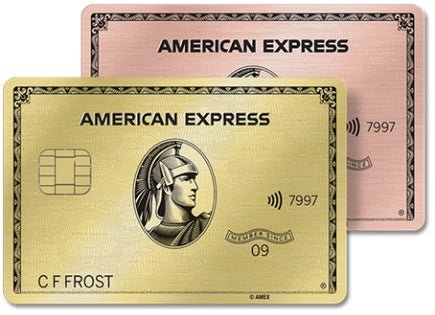
Earning Points: The 4x Powerhouse
The primary reason most people consider this card is its earning structure. It is specifically designed to reward the two largest non-housing expenses for many Americans: groceries and dining.
Dining and Restaurants
The card earns 4x Membership Rewards points per dollar spent at restaurants worldwide. This includes everything from high-end fine dining to fast food and takeout. This 4x rate applies to the first $50,000 in purchases per calendar year. After that, the rate drops to 1x. For most households, a $50,000 annual limit on dining is more than enough to cover all meal-related expenses.
U.S. Supermarkets
Cardholders also earn 4x points per dollar spent at U.S. supermarkets. This is one of the highest earning rates available for grocery shopping. This category is capped at $25,000 in purchases per calendar year. Once that limit is reached, the earning rate reverts to 1x for the remainder of the year. It is important to note that this benefit is restricted to "supermarkets," which usually excludes "superstores" like Walmart or Target and "wholesale clubs" like Costco or BJ's.
Travel and Other Spending
While it is primarily a food card, it does offer rewards for travel:
- 3x points on flights booked directly with airlines or through the Amex Travel portal.
- 2x points on prepaid car rentals and cruises booked through the Amex Travel portal.
- 1x point on all other eligible purchases.
The "Coupon Book" Strategy: Statement Credits
A major part of the American Express Gold Card value proposition is its suite of monthly and semi-annual statement credits. If used in full, these credits total $424 in annual value, which technically "pays" the cardholder $99 to keep the card. However, these credits are fragmented and require active management.
Uber Cash ($120 Annually)
Cardholders receive $10 in Uber Cash each month, which can be used for Uber rides or Uber Eats orders in the U.S. To receive this benefit, the card must be added to the Uber app. These credits do not roll over to the next month, so if they are not used by the last day of the month, they are lost.
Dining Credit ($120 Annually)
This is another $10 monthly credit. It is valid for purchases made at specific partners, including Grubhub, The Cheesecake Factory, Five Guys, Buffalo Wild Wings, and Wonder. Like the Uber credit, this is a "use it or lose it" monthly benefit that requires enrollment through the American Express account dashboard.
Resy Credit ($100 Annually)
As part of a recent refresh, the card now includes up to $100 in statement credits each calendar year for eligible purchases at U.S. Resy restaurants. This is delivered as two $50 credits: one for the first half of the year, January through June, and one for the second half, July through December. Enrollment is required.
Dunkin' Credit ($84 Annually)
The newest addition is a $7 monthly statement credit for purchases made at U.S. Dunkin' locations. This is especially useful for regular coffee drinkers, but for those who do not live near a Dunkin', it may provide zero value.
Welcome Offers and Eligibility
One of the fastest ways to see if a gold American Express card is good for you is by looking at the welcome offer. These offers change frequently, but they typically require a specific amount of spending within the first few months of opening the account.
Currently, eligible new cardmembers might see offers as high as 60,000 to 100,000 Membership Rewards points after spending $8,000 on eligible purchases within the first 6 months. Based on various travel valuations, a 100,000-point bonus could be worth $2,000 or more when transferred to high-value airline partners.
Before applying, keep these factors in mind:
- Once-per-lifetime rule: American Express generally limits welcome bonuses to once per lifetime for each specific card product.
- Family language: Newer terms may prevent you from getting the Gold Card bonus if you already have or have had the American Express Platinum Card.
- Credit score: This card typically requires "Good" to "Excellent" credit, which generally means a score in the 670 to 850 range.
For more information about qualification factors, read this guide to American Express approval requirements.
Redemption Options: Getting the Most Out of Points
Points are only as "good" as their redemption value. Membership Rewards are flexible, but not all redemption paths are equal.
Transfer Partners (The Best Value)
The most effective way to use Membership Rewards points is by transferring them to airline and hotel partners. American Express has over 20 partners, including Delta Air Lines, British Airways, Hilton, and Marriott. By transferring points to an airline program and booking a business class international flight, cardholders can often achieve a value of 2 cents per point or higher.
Amex Travel Portal
Points can be used to book travel directly through the Amex Travel website. When used for flights, points are typically worth 1 cent each. When used for hotels or car rentals, the value often drops below 1 cent per point, making this a less efficient option.
Statement Credits and Gift Cards (The Lowest Value)
Using points to cover recent charges, statement credits, or buying gift cards usually results in a value of 0.6 to 0.7 cents per point. This is generally considered a poor use of points. If your goal is to get cash back to pay down your balance, a dedicated cash-back credit card comparison is likely a better fit than the Amex Gold.
Who Should Consider the Gold Card?
Determining if this card is a smart move depends on your lifestyle. It is a specialized tool, not a general-purpose card for everyone.
The Heavy Grocery Spender
If you have a large family and spend $1,000 or more at the grocery store each month, the 4x points will accumulate rapidly. At a $12,000 annual spend, you would earn 48,000 points. If you value those points at 2 cents each, you've earned $960 in travel value from one category alone.
The Urban Professional
For someone living in a city who uses Uber for transportation and Grubhub for dinner several times a month, the credits are nearly as good as cash. If you are already spending $10 at Dunkin' and $10 on Uber Eats every month, the annual fee effectively drops to a very manageable level.
The International Traveler
This card has no foreign transaction fees, making it a reliable companion for trips abroad. While the 4x grocery bonus is limited to U.S. supermarkets, the 4x dining bonus applies to restaurants worldwide. This is a significant advantage over many other cards that limit their bonus categories to domestic spending only.
Who Should Skip the Gold Card?
Despite its popularity, there are several reasons why this card might be a poor choice for certain consumers.
The Minimalist
If you find the idea of tracking four different monthly credits exhausting, this card will likely feel like a burden. The "coupon book" nature of the card requires a level of organization that doesn't appeal to everyone. If you want a card you can set and forget, a simple 2% cash-back card is a better alternative.
The Wholesale Club Shopper
If you do the bulk of your grocery shopping at Costco, Sam's Club, or Target, you will only earn 1x points on those purchases. Since these stores do not code as "supermarkets," you lose out on the card's biggest earning engine.
The Cash-Back Focused Consumer
Membership Rewards points are designed for travel. If you have no interest in booking flights or hotel stays, the redemption value for cash is very low. You would be better served by a card that offers a flat 2% or 3% back on groceries and dining in the form of actual dollars.
Comparing the Gold Card to Alternatives
Before committing to the $325 fee, it is worth looking at how the Gold Card stacks up against other popular options in the market.
Chase Sapphire Preferred
This card has a much lower $95 annual fee. It offers 3x points on dining and online groceries, but it lacks the 4x supermarket powerhouse of the Amex Gold. However, it includes better travel insurance protections and a $50 annual hotel credit. For many, the lower fee makes it a lower-risk entry into travel rewards. Read the Chase Sapphire Preferred review for a closer look.
American Express Platinum Card
If the Gold Card is the "food" card, the Platinum Card is the "travel" card. With a much higher fee, it offers airport lounge access, elite status with hotels, and higher rewards on airfare. Many people choose to carry both, using the Gold for food and the Platinum for travel bookings and lounge access. See the American Express Platinum Card review for more details.
Capital One Savor
For those who want high rewards on dining and groceries without the complexity of Membership Rewards, the Savor card, or the no-fee SavorOne, is a strong competitor. These cards offer cash back that is easy to understand and redeem, often with high percentages on entertainment and streaming services as well. Compare the Capital One Savor Cash Rewards Card with other options.
For more alternatives, browse no-annual-fee credit cards.
How to Apply and Get Approved
If you have decided that the Gold Card fits your spending, the application process is straightforward. American Express uses a "Apply with Confidence" tool that allows you to see if you are approved with no impact to your credit score. If you are approved and choose to accept the card, only then will a hard inquiry be performed, which may impact your score.
Steps to take before applying:
How to Apply and Get Approved
- 1
Check your credit score
Ensure you are in the "Good" to "Excellent" range.
- 2
Audit your spending
Look at your last three months of bank statements. Total up your spending at supermarkets and restaurants to see how many points you would have earned.
- 3
Check your "5/24" status
If you are planning to apply for Chase cards in the future, remember that every new card account, including Amex, counts toward Chase's limit of five new cards in 24 months.
- 4
Look for a high welcome offer
Don't settle for the first offer you see. Use comparison tools or private browser windows to find the highest possible point bonus.
Maximizing the First Year
The first year of card membership is almost always the most lucrative because of the welcome bonus. To get the most value, ensure you have a plan to meet the minimum spending requirement without overspending.
One effective strategy is to time your application around a large, planned expense, such as a home repair, a new appliance, or a major holiday shopping season. This allows you to hit the spending target using money you were already going to spend, ensuring the bonus points are "pure profit" rather than a reward for taking on debt.
Final Verdict: Is it Actually Good?
The American Express Gold Card is a specialized tool that excels in one specific area: rewarding food-related spending. For a household that spends $15,000 a year on food and uses Uber regularly, it is one of the most valuable cards on the market. The high earning rate on groceries is rare, and the ability to transfer points to airlines provides a path to luxury travel that cash-back cards cannot match.
However, for a consumer who shops at wholesale clubs, rarely uses delivery apps, or prefers the simplicity of cash, the Gold Card is a poor fit. The $325 annual fee is a steep price to pay for a "coupon book" that doesn't align with your natural habits.
Ultimately, the card is good if it matches your existing lifestyle. It should not be a reason to change your lifestyle. If you find yourself ordering Grubhub just to use a credit, the card is likely managing you, rather than you managing the card. Use MoneyAtlas comparison tools to compare credit cards by rewards, fees, and benefits to ensure you are getting the best return for your specific spending patterns.
FAQ
MoneyAtlas Staff
Articles and reviews from the MoneyAtlas editorial team — independent research on credit cards, banking, loans, insurance, and investing.
Related Articles

How to Cancel Your American Express Gold Card
Learn how to cancel American Express Gold card accounts without losing points. Step-by-step guide on chat cancellation, fee refunds, and credit score impact.

Which Is Better American Express Gold or Platinum?
Which is better American Express Gold or Platinum? Compare rewards, fees, and travel perks to find the right card for your lifestyle and spending.

What Is the Limit for American Express Gold Card?
Wondering what is the limit for American Express Gold card? Learn how the No Preset Spending Limit works and how to check your dynamic spending power.