How Much Is a Gold American Express Card? Annual Fees and Costs Explained


Introduction
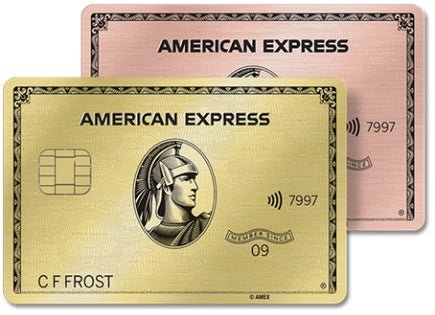
Determining the true cost of the American Express Gold Card involves looking beyond a single number. While the headline annual fee is the primary expense, authorized user fees, interest rates, and potential late penalties contribute to the total cost of ownership. Our American Express Gold Card review provides a broader look at the card's rewards, benefits, and ongoing costs. This article covers the current annual fee structure, the cost of adding family members to an account, and the math required to determine if the benefits offset the out of pocket expense. Understanding these costs is the first step in deciding if this specific card aligns with your spending habits.
The Primary Cost: The $325 Annual Fee
The most significant cost associated with the American Express Gold Card is the $325 annual fee. This is a fixed cost that applies regardless of how much or how little the card is used. Unlike some entry level rewards cards that waive the fee for the first 12 months, American Express typically charges the full amount on the first billing statement after the account is opened.
This fee positions the card in the mid tier of the American Express lineup. It is more expensive than the American Express Green Card, which has a $150 annual fee, but significantly less than the American Express Platinum Card, which carries a $695 annual fee.
Timing of the Fee
The annual fee is charged on the card anniversary date each year. If an account is opened on October 15, the first fee appears shortly after, and subsequent fees appear on October 15 of every following year. American Express generally provides a 30 day window from the date the fee is billed to close the account and receive a full refund of the annual fee. After this 30 day grace period, the fee is typically non refundable.
Net Effective Cost
For many, the $325 figure is just a starting point. To find the net effective cost, one must subtract the value of the statement credits provided by the card. The card offers up to $424 in annual credits if every benefit is used to its full extent.
- $120 Dining Credit: Distributed as $10 monthly credits for use at specific partners.
- $120 Uber Cash: Distributed as $10 monthly credits for U.S. rides or Uber Eats.
- $100 Resy Credit: Distributed as two $50 credits semi-annually.
- $84 Dunkin' Credit: Distributed as $7 monthly credits.
If someone already spends money at these establishments, the net cost of the card could technically be considered less than zero. However, if these credits force new spending that would not otherwise occur, the $325 fee remains a real out of pocket expense.
Costs for Additional Card Members
Adding family members or employees to a credit card account can help accumulate rewards faster, but it sometimes comes with extra fees. For the American Express Gold Card, the cost for additional users is structured to favor smaller groups.
Current Additional Card Fee Structure:
- First 5 Additional Cards: $0 per year.
- 6th Additional Card and Beyond: $35 per year for each card.
There is no annual fee for the first five additional Gold Cards added to an account. This makes it a cost effective option for those who want to give a spouse or children access to the account without increasing the annual overhead. It is important to note that the primary cardholder is legally responsible for all charges made by additional members. Compare the latest credit card options to evaluate how this authorized user policy compares to other premium cards that may charge for every additional user.
Age and Eligibility Requirements
To be added as an additional card member, an individual must be at least 13 years old. They do not need to undergo a separate credit check, as the primary cardholder's credit is what secures the account. However, the activity on the additional card may be reported to credit bureaus for the authorized user, which could impact their credit history.
Interest Rates and Ongoing Finance Charges
While the annual fee is a predictable cost, interest charges can fluctuate based on the market and your creditworthiness. The American Express Gold Card is unique because it is technically a card with no preset spending limit, but it includes features that allow for carrying a balance.
Annual Percentage Rate (APR)
For purchases that are not paid in full, the card uses a variable APR. This rate is usually based on the Prime Rate plus a margin determined by the issuer when the account is opened.
- Pay Over Time APR: This rate typically ranges from 21% to 30% depending on creditworthiness.
- Penalty APR: If a payment is missed or returned, a penalty APR of up to 30% may be applied to the account.
The Pay Over Time Feature
The Gold Card traditionally required the balance to be paid in full every month. Most modern versions of the card now include a Pay Over Time feature. This allows cardholders to carry a balance on eligible purchases over a certain amount, subject to the APR mentioned above. If you choose to pay only the minimum due, interest will accrue on the remaining balance, significantly increasing the total cost of using the card. Our credit card payment strategy guide explains how payment choices can affect debt costs.
Plan It Fees
Another way to manage costs is through the Plan It feature. This allows you to select large purchases and move them into a fixed monthly payment plan. Instead of standard interest, you pay a monthly plan fee. The total of these fees can sometimes be lower than the interest you would pay by carrying a balance, but it still represents an additional cost on top of the original purchase price.
Penalty Fees and Other Potential Costs
Beyond the annual fee and interest, there are several "event based" fees that can occur. Knowing these costs helps in avoiding them through automated payments and careful account management.
- Late Payment Fee: Up to $40. This fee is triggered if the minimum payment is not received by the due date.
- Returned Payment Fee: Up to $40. This occurs if a payment is initiated but the linked bank account has insufficient funds.
- Foreign Transaction Fees: 0%. This is a significant cost saver for those who travel internationally. Many cards charge a 3% fee on every purchase made outside the U.S., which would add $30 in costs for every $1,000 spent abroad. The Gold Card avoids this entirely.
Evaluating the Value of Rewards Against the Fee
To determine if the cost is justified, the value of the rewards earned must be weighed against the $325 fee. The Gold Card is structured to reward specific spending categories more heavily than others. This guide to evaluating credit card annual fees, interest rates, and rewards offers a framework for comparing those trade-offs.
Earning Tiers and Limits
The card earns Membership Rewards points at the following rates:
- 4X Points at Restaurants: This applies worldwide on up to $50,000 in purchases per calendar year.
- 4X Points at U.S. Supermarkets: This applies on up to $25,000 in purchases per calendar year.
- 3X Points on Flights: Only for flights booked directly with airlines or through the Amex Travel portal.
- 2X Points on Prepaid Hotels: For bookings made through the Amex Travel portal.
- 1X Points on All Other Purchases: This is the baseline for general spending.
The Math of Rewards
If a household spends $1,000 per month at U.S. supermarkets and $500 per month at restaurants, they would earn 72,000 Membership Rewards points in a year.
Annual Rewards Calculation:
- Supermarkets: $12,000 x 4 = 48,000 points.
- Restaurants: $6,000 x 4 = 24,000 points.
- Total: 72,000 points.
The value of these points depends on how they are redeemed. If redeemed for gift cards or statement credits, they may only be worth 0.5 to 0.7 cents each ($360 to $504). However, if transferred to airline partners, they can often be worth 1.5 to 2 cents each ($1,080 to $1,440). For a frequent traveler, the rewards alone can easily triple the value of the annual fee.
Comparing the Gold Card to Lower Cost Alternatives
For some, the $325 fee may be too steep. Comparing the Gold Card to cards with lower or no fees is a useful exercise in determining which "price point" makes sense for your budget. Browse no annual fee credit card options when evaluating alternatives with zero ongoing annual fees.
Gold Card vs. Blue Cash Preferred
The Blue Cash Preferred Card from American Express review has a lower annual fee, often around $95 (sometimes waived in the first year). It offers 6% cash back at U.S. supermarkets on up to $6,000 per year. For someone who spends exactly $6,000 a year on groceries, the Blue Cash Preferred might actually be the cheaper and more rewarding option.
Gold Card vs. No-Fee Cards
A standard no-fee card might offer 1.5% or 2% cash back on everything. While this sounds lower than the 4X points of the Gold Card, it comes with zero annual overhead.
To break even on the $325 Gold Card fee using rewards alone (assuming 1 cent per point value):
How to Break Even on the Gold Card Fee
- 1
Identify the annual fee
($325).
- 2
Determine the "extra" points earned over a no-fee card
If a no-fee card gives 2%, the Gold Card gives an extra 2% at restaurants.
- 3
Calculate the spend needed
You would need to spend $16,250 in 4X categories to cover the $325 fee if you ignore the statement credits.
This highlights why the statement credits are so critical to the card's value proposition. Without using the Uber or dining credits, the "break even" point for the annual fee requires a very high level of spending. Compare cash back credit cards to see how flat-rate and category-based rewards compare.
How to Apply and Check Your Eligibility
Applying for a card with a $325 fee is a significant financial decision. American Express provides a way to check if you are likely to be approved without a hard pull on your credit report. This "Apply with Confidence" feature allows you to see your specific welcome offer and approval odds first. If you are approved and choose to accept the card, a hard inquiry will then be performed, which may impact your credit score.
Credit Score Requirements
While there is no official minimum score, the Gold Card is generally intended for those with good to excellent credit. This typically means a FICO score of 670 or higher. If your score is lower, the cost of the card might be higher in terms of a higher APR, or you may be declined, resulting in a hard inquiry without the benefit of the card. Read our American Express approval requirements guide for more information about eligibility factors.
Welcome Offers
The "hidden" way to offset the cost of the card for the first few years is through the welcome offer. These offers often provide 60,000 to 90,000 points after meeting a minimum spending requirement in the first few months. At a valuation of 1 cent per point, a 60,000 point bonus is worth $600, which covers the annual fee for nearly two years.
Summary of Costs
Managing the costs of the American Express Gold Card requires a proactive approach. Between the annual fee, interest rates, and the specific rules for earning credits, there are many moving parts.
A Checklist for Managing Card Costs:
- Track your anniversary: Set a reminder for the month the $325 fee hits so you can evaluate the card's value before the 30 day refund window closes.
- Automate your credits: Link the card to your Uber account and enroll in the dining and Resy credits immediately to ensure you don't miss a month.
- Pay in full: Avoid the variable APR by paying your statement balance in full every month.
- Monitor authorized users: Ensure you are not paying $35 for a sixth user unless their spending generates enough rewards to justify it.
- Use the Amex App: Frequently check for "Amex Offers" which can provide additional statement credits on top of the standard card benefits.
The American Express Gold Card is a tool for a specific type of spender. If you find yourself spending heavily on groceries and dining out, and you already use services like Uber or Grubhub, the $325 fee is often a justifiable cost for the rewards and flexibility the card provides. We encourage you to compare current credit card options to see how these fees stack up against other mid tier and premium cards on the market today.
FAQ
MoneyAtlas Staff
Articles and reviews from the MoneyAtlas editorial team — independent research on credit cards, banking, loans, insurance, and investing.
Related Articles

How to Cancel Your American Express Gold Card
Learn how to cancel American Express Gold card accounts without losing points. Step-by-step guide on chat cancellation, fee refunds, and credit score impact.

Which Is Better American Express Gold or Platinum?
Which is better American Express Gold or Platinum? Compare rewards, fees, and travel perks to find the right card for your lifestyle and spending.

What Is the Limit for American Express Gold Card?
Wondering what is the limit for American Express Gold card? Learn how the No Preset Spending Limit works and how to check your dynamic spending power.