What Is American Express Rose Gold and How It Works


Introduction
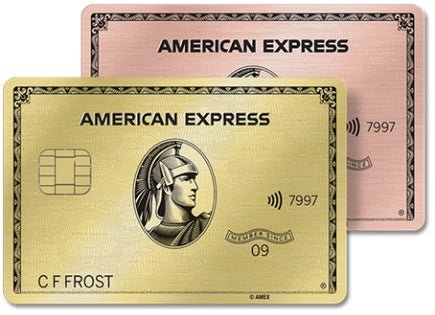
Choosing a credit card often involves weighing interest rates against reward structures, but aesthetic preferences also play a role for many consumers. When people ask what American Express Rose Gold is, they are typically referring to a specific design option for the American Express Gold Card. This version of the card features a pink hued, copper infused metal finish rather than the traditional yellow gold look. While the exterior is distinct, the underlying financial product, including the rewards, fees, and interest rates, remains identical to the standard Gold version. MoneyAtlas provides this breakdown to help you determine if the features of this card align with your spending habits. This article explores the mechanics of the Rose Gold design and evaluates the value of the card's heavy focus on dining and grocery rewards.
The Difference Between Gold and Rose Gold
The first thing to understand about the Rose Gold variant is that it is not a separate "level" of credit card. American Express offers several different cards, such as the Platinum Card or the Blue Cash Everyday Card, which have different rules and fee structures. The Rose Gold card is simply a color choice for the Gold Card.
Originally, the Rose Gold design was a limited edition release. Due to high demand from consumers who preferred the vintage aesthetic of the pinkish metal, the issuer made it a permanent option. When you apply for the Gold Card, you are asked to select your preferred design. If you already carry the traditional Gold Card, you can generally request a replacement in the Rose Gold finish through your online account management settings.
Material and Physicality
Both versions of the card are made of metal. For many users, the weight and durability of a metal card are a significant part of the appeal. The Rose Gold version uses a specific alloy to achieve its color. It is worth noting that while the card is metal, it still functions with contactless payment technology and standard chip readers.
Consistency in Terms
Every financial detail remains the same regardless of the color you choose. This includes the annual fee, which is currently $325 as of recent data. It also includes the Annual Percentage Rate (APR) for purchases, which is a variable rate based on your creditworthiness and the Prime Rate. Because these figures can change, we recommend checking the issuer's current terms before submitting an application.
Understanding the Rewards Structure
The primary reason to compare the Gold Card against other options is its high earning potential in specific categories. This card is built for households that spend a significant portion of their budget on food.
Dining at Restaurants
The card earns 4% back in Membership Rewards points at restaurants worldwide. This includes takeout and delivery within the U.S. There is a cap of $50,000 in purchases per calendar year for this 4% rate. After you hit that limit, the earning rate drops to 1% for the remainder of the year. Readers can also review the American Express Gold Card's dining and grocery rewards alongside other options.
U.S. Supermarkets
For those who cook at home, the card also earns 4% at U.S. supermarkets. This category has a lower cap of $25,000 in purchases per calendar year. Once that spending threshold is reached, the rate becomes 1%. For a family spending $500 a week on groceries, this cap would be reached just before the end of the year.
Travel and Other Purchases
The card offers 3% back on flights booked directly with airlines or through the issuer's travel portal. It also offers 2% on prepaid car rentals and cruises booked through their specific portal. All other purchases earn a standard 1% back. For a broader starting point, compare the best credit card options across rewards, fees, and benefits.
Annual Credits and Value Proposition
With an annual fee of $325, the Gold Card is more expensive than many entry level rewards cards. To determine if the card makes sense for your budget, it is necessary to look at the statement credits provided. These credits can effectively reduce the out of pocket cost of the annual fee if you already spend money with these specific vendors.
- Dining Credit: Cardholders can receive up to $120 in annual dining credits. This is distributed as $10 per month in statement credits when using the card at participating partners like Grubhub, The Cheesecake Factory, or Five Guys.
- Uber Cash: By adding the card to an Uber account, you can receive $10 in Uber Cash each month, totaling $120 per year. This can be used for Uber rides or Uber Eats orders in the U.S.
- Resy Credit: A newer addition to the card provides up to $100 in statement credits each calendar year for purchases at qualifying U.S. Resy restaurants. This is split into $50 for the first half of the year and $50 for the second half.
- Dunkin' Credit: Users can get up to $7 in monthly statement credits for purchases at U.S. Dunkin' locations, totaling $84 annually.
How the Math Works Out
If a cardholder uses every dollar of the available credits, they receive $424 in annual value. Since the annual fee is $325, someone who uses all the credits is essentially being paid to carry the card. However, the math changes if you do not naturally shop at these locations.
If you do not use Uber or eat at the specific participating restaurants, the $325 fee becomes a flat cost. In that scenario, you would need to earn enough points through the 4% categories to justify the fee. For someone who values points at 1 cent each, they would need to spend at least $8,125 annually in the 4% categories just to break even on a $325 fee.
MoneyAtlas suggests comparing your actual monthly spending habits against these specific credits before deciding. The credit card fee and rewards evaluation guide can help organize that calculation. If you are already a regular user of Grubhub and Uber, the Rose Gold card is often a high value choice. If you prefer shopping at discount warehouses like Costco, which often do not code as supermarkets, or eating at local diners that are not on delivery apps, the credits may be harder to use.
Managing Debt and Interest
The Gold Card is a credit card that allows you to carry a balance, but it also has features that resemble traditional charge cards. It is important to understand the Pay Over Time feature.
Pay Over Time
This feature allows you to carry a balance with interest on eligible purchases up to a certain limit. Any amount above that limit must be paid in full each month. The interest rate on this balance is a variable APR. Carrying a balance at these rates, which are often 20% or higher, will quickly negate the value of any points earned.
Plan It
This is a feature that lets you split large purchases of $100 or more into equal monthly installments. Instead of standard interest, you pay a fixed monthly fee. While this can make a large purchase more manageable, the fees still represent a cost of borrowing that should be calculated carefully.
For additional context, readers can review MoneyAtlas's guide to how credit card interest affects rewards.
Redemption Options for Points
The points earned on the Rose Gold card are part of the Membership Rewards program. These are flexible points that can be used in several ways, and the "value" of your 4% back depends on which method you choose.
- Travel Transfers: You can transfer points to various airline and hotel partners. This is often where the highest value is found, as points can sometimes be worth 2 cents or more when used for international business class flights.
- Travel Portal: You can use points to book flights or hotels directly through the issuer's portal. This usually provides a fixed value of 1 cent per point for flights.
- Statement Credits: Using points to cover your bill is possible but typically offers the lowest value, often around 0.6 cents per point.
- Gift Cards and Shopping: You can redeem points for gift cards or at checkout with certain online retailers. The value here varies but is generally lower than travel redemptions.
Who Should Compare the Rose Gold Card?
While the pink hue is attractive, the card is best suited for a specific type of consumer. We find that the card is most competitive for:
- High Food Spenders: People who spend at least $1,000 a month between groceries and dining out.
- Urban Dwellers: Those who frequently use Uber and food delivery services where the credits are easy to apply.
- Travelers: People who want to earn flexible points that can be moved to airline partners rather than being stuck with one specific brand.
- Metal Card Enthusiasts: Those who value the physical feel and unique color of their payment method.
It is less suited for:
- Budget Shoppers: People who do most of their shopping at big box stores or wholesale clubs that do not qualify for the 4% supermarket bonus.
- Occasional Spenders: If your total food spending is low, a no annual fee cash back card might provide a better return.
- Debt Carryovers: Anyone who currently carries a balance on their credit cards should prioritize low interest rates over rewards.
How to Apply or Switch
If you decide the Rose Gold card fits your financial profile, the application process is standard. You will need to provide your income, social security number, and other personal details. This card typically requires good to excellent credit, which usually means a score in the 670 to 850 range.
How to Apply or Switch to the Rose Gold Card
- 1
Start Application
For new applicants, navigate to the American Express website or a comparison platform and locate the Gold Card page.
- 2
Choose the Design
Look for the toggle or selection box that allows you to choose between "Gold" and "Rose Gold."
- 3
Complete the Application
Complete the application. If approved, your card will arrive in the selected color.
- 4
Log In
For existing cardholders, log in to your online account or mobile app.
- 5
Open Account Services
Go to the "Account Services" section.
- 6
Change Card Design
Select "Card Management" and then "Change Card Design."
- 7
Select Rose Gold
Choose the Rose Gold option.
- 8
Receive Replacement Card
A new card with the same account number will be mailed to you, though the CID, or security code, may change.
Comparison with Other Premium Cards
Before settling on the Rose Gold card, it is helpful to look at how it stacks up against other premium options. For example, the Platinum Card has a much higher annual fee, currently $695, and focuses more on luxury travel perks like airport lounge access rather than daily food spending.
Conversely, the Blue Cash Preferred Card has a lower annual fee, often around $95, and offers 6% back at U.S. supermarkets on up to $6,000 per year. This might be a better fit for a smaller household that does not dine out often and wants cash back instead of travel points. See the Blue Cash Preferred Card review for a closer look at that alternative.
MoneyAtlas provides comparison tools that allow you to put these cards side by side. By looking at the annual fees, reward caps, and credit types in a single view, you can see which one actually puts more money back in your pocket based on your specific budget.
Summary of Key Factors
When evaluating the American Express Rose Gold card, keep these four factors in mind:
- The Design: It is a purely aesthetic choice. There is no functional or financial difference between it and the standard Gold Card.
- The Fees: The $325 annual fee is a significant upfront cost. You must be confident that you will use the monthly credits to make the card worthwhile.
- The Categories: The 4% rate on dining and U.S. supermarkets is among the highest available, but it is capped. Monitor your spending to ensure you are maximizing these tiers.
- The Interest: Rewards are never worth the cost of interest. This card is intended for those who pay their balance in full every month.
FAQ
MoneyAtlas Staff
Articles and reviews from the MoneyAtlas editorial team — independent research on credit cards, banking, loans, insurance, and investing.
Related Articles

Which Card Is Better: American Express Gold or Platinum?
Deciding which card is better: American Express Gold or Platinum? Compare fees, 4X dining rewards, and luxury travel perks to find your perfect match.

Should I Get an American Express Gold Card? Breaking Down the Value
Should I get an American Express Gold card? Explore the 4X rewards on dining and groceries vs. the $325 fee to see if this premium card fits your budget.

How to Get the American Express Gold Card: A Practical Guide
Learn how to get the American Express Gold Card with our guide on credit score requirements, income, and the 'Apply with Confidence' tool. Apply today!