What Does the American Express Gold Card Mean for Your Finances?


Introduction
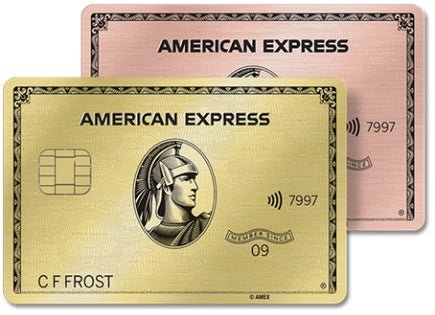
What does the American Express Gold Card mean for your wallet? For many consumers, this card represents a transition from simple cash back to a more complex rewards strategy focused on lifestyle and dining. It is a premium card that carries a $325 annual fee, and its value depends entirely on whether your spending habits align with its specific reward categories and monthly statement credits. MoneyAtlas helps readers compare this card against other high-end options to see if the math justifies the cost. This article breaks down the mechanics of the rewards, the requirements for the fee, and how the card functions as a financial tool. Understanding the fine print is the only way to determine if this metal card is a status symbol or a smart financial asset.
Defining the American Express Gold Card Value Proposition
The American Express Gold Card occupies a unique middle ground in the credit card market. It is more expensive than a standard "no-fee" card but less costly than ultra-premium cards like the Amex Platinum. For most people, the "meaning" of this card is found in its rewards structure, which is heavily weighted toward food.
A Focus on Food and Groceries
The card provides 4X Membership Rewards points at restaurants worldwide on up to $50,000 in purchases per calendar year. It also offers 4X points at U.S. supermarkets on up to $25,000 in purchases per calendar year. These are among the highest earning rates available for these categories. For someone who spends $1,000 a month on groceries and dining, the points can accumulate quickly.
Membership Rewards Points Mechanics
Unlike cash back, these points are part of the American Express Membership Rewards program. These points have a variable value. They can be worth 1 cent each when used for flights through the travel portal, but they may be worth more if transferred to airline or hotel partners. For those who do not travel, the points are generally less valuable when redeemed for statement credits or gift cards.
For a broader look at how rewards, fees, and redemption values fit together, read our guide to evaluating credit card annual fees, interest rates, and rewards.
The Role of the Annual Fee
The card carries a $325 annual fee. This fee is charged on your card anniversary date each year. It is not a "pay as you go" cost. It is an upfront investment in the card's benefits. If you do not use the credits provided, the fee represents a direct loss.
The Financial Mechanics of the $325 Annual Fee
Understanding the annual fee is critical for anyone comparing premium cards. The fee recently increased to $325, reflecting a shift in the card's benefits package. MoneyAtlas tracks these fee changes to help you stay current on the true cost of ownership.
When the Fee Is Charged
Amex typically charges the annual fee on the first billing statement after you open the account. It then appears once a year on your anniversary month. There is usually a 30-day grace period from the date the fee is charged. During this window, you can typically cancel the card and receive a refund of the fee if you decide the card no longer suits your needs.
Authorized Users
One way to spread the value of the fee is by adding authorized users. You can add up to five additional Gold Cards to your account with no additional annual fee. These users help you earn points faster because all their spending accumulates in your primary rewards account. Starting with the sixth additional card, there is a $35 fee for each.
Freshness Caveat
Rates and fees change frequently. As of recent data, the purchase APR on this card can be 29.1% or higher depending on your creditworthiness. This is a variable rate that moves with the Prime Rate. Always check the current terms on the provider's website before applying.
For more background, see how credit card APR works and why it matters.
Breaking Down the Monthly Statement Credits
The American Express Gold Card uses a "coupon book" style of benefits. To get the most "meaning" out of the card, you must use several monthly credits. If these credits match your existing habits, they can effectively reduce the cost of the annual fee to nearly zero.
$120 Dining Credit
This benefit provides up to $10 per month in statement credits when you use the card at specific partners. These include Grubhub, The Cheesecake Factory, Five Guys, Buffalo Wild Wings, and Wonder. You must enroll in this benefit through your account portal. If you already order from these places once a month, this is a $120 annual value.
$120 Uber Cash
When you add your Gold Card to your Uber account, you receive $10 in Uber Cash each month. This can be used for Uber rides or Uber Eats orders in the U.S. Like the dining credit, this is a "use it or lose it" benefit. It does not roll over to the next month.
$100 Resy Credit
This is a newer benefit that offers up to $100 in statement credits each calendar year at qualifying U.S. Resy restaurants. The credit is split into two $50 chunks. You can get up to $50 from January through June and another $50 from July through December. This encourages dining out at specific restaurants that use the Resy platform.
$84 Dunkin' Credit
The most recent addition to the card is a $7 monthly credit for use at U.S. Dunkin' locations. For someone who buys coffee or breakfast at Dunkin' regularly, this adds $84 in annual value.
Travel Benefits and Protections
While the Gold Card is famous for dining, it also functions as a travel tool. It offers several protections and perks that are standard for cards in this price range.
Earning on Flights and Hotels
The card earns 3X points on flights booked directly with airlines or through the travel portal. It also offers 2X points on prepaid car rentals and other travel booked through the portal. While not as high as the 5X points offered by the Platinum card, it still provides a decent return for frequent fliers.
The Hotel Collection
When you book a stay of at least two consecutive nights through The Hotel Collection, you receive a $100 experience credit. This credit can be used for dining, spa services, or other resort activities. You may also receive a room upgrade at check-in if one is available.
Travel Protections
The card includes several insurance-style benefits:
- Trip Delay Insurance: This can reimburse you for unexpected expenses if your flight is delayed by more than 12 hours.
- Baggage Insurance Plan: This provides coverage if your luggage is lost, damaged, or stolen while traveling on a common carrier.
- Car Rental Loss and Damage Insurance: This provides secondary coverage if your rental car is damaged or stolen.
Who Does This Card Suit?
This card is not a universal fit. Because of the high fee and the specific nature of the rewards, it suits a very specific type of consumer.
The High-Volume Food Spender
For someone spending $15,000 a year on groceries and dining, the 4X points would yield 60,000 Membership Rewards points. At a valuation of 1 cent per point, that is $600 in value. This alone covers the $325 fee. If that same person uses the Uber and dining credits, the card becomes highly profitable.
The "Amex Trifecta" Strategist
Many rewards enthusiasts use the Gold Card as part of a three-card strategy. They use the Platinum card for flights and lounge access, the Gold card for food and groceries, and a card like the Blue Business Plus for everything else. This ensures they earn at least 2X points on every single dollar they spend.
Who Should Avoid It?
If you live in a rural area without access to Uber, Dunkin', or Resy restaurants, the credits will be difficult to use. Similarly, if you prefer a simple cash-back deposit into your bank account, the Membership Rewards system may feel overly complicated. For those who spend less than $300 a month on groceries and dining, a no-annual-fee credit card is likely a better financial choice.
How to Compare the Gold Card to Alternatives
Before applying, it is worth comparing the Gold Card to other options in the market. The competitive landscape for dining and travel cards is crowded.
Amex Gold vs. Chase Sapphire Preferred
The Chase Sapphire Preferred has a much lower annual fee, typically around $95. It offers 3X points on dining and a $50 annual hotel credit. While the earning rate is lower than the Gold Card's 4X, the lower fee makes it easier to "break even." Chase points are also often considered easier to use for beginners.
Amex Gold vs. Capital One Savor
The Capital One Savor and its no-fee sibling, the SavorOne, also focus on dining and groceries. These cards offer cash back rather than travel points. For someone who wants a simple 3% or 4% back on food without tracking monthly credits, Capital One may be the more practical choice.
Comparison Checklist
How to Compare the Gold Card to Alternatives
- 1
Spend Analysis
Calculate your annual spending at U.S. supermarkets and restaurants.
- 2
Credit Usage
Determine how many of the $10 monthly credits you would realistically use without changing your behavior.
- 3
Reward Fit
Compare the point value to your preferred travel goals, such as domestic flights versus international business class.
- 4
Eligibility Check
Use a side-by-side credit card comparison to see if your credit score typically aligns with the "Good to Excellent" range required for these cards.
Understanding Credit Requirements and Application
Applying for the American Express Gold Card is a significant financial step. Like most premium cards, it generally requires a good to excellent credit score. This typically means a score of 670 or higher, though many successful applicants have scores above 700.
The Application Process
When you apply, American Express will perform a hard inquiry on your credit report. This may temporarily lower your credit score by a few points. However, Amex has a "Apply with Confidence" feature for some applicants. This allows you to see if you are pre-approved with only a soft pull, which does not affect your score unless you accept the offer and submit the final application.
The Welcome Bonus
Most versions of the Gold Card offer a welcome bonus for new cardmembers. This usually requires spending a certain amount, such as $6,000, within the first six months. These bonuses can be worth 60,000 to 90,000 points or more. For a new cardmember, the welcome bonus alone can cover the annual fee for the first two or three years.
Financial Responsibility
It is important to remember that this card has a variable APR that can exceed 29%. If you carry a balance, the interest charges will quickly wipe out any rewards you earn. To make the most of what the Gold Card means for your finances, you should treat it like a debit card and pay the balance in full every month.
Read more about when credit card interest is charged and how to avoid it.
Final Decision: Is the Meaning Worth the Cost?
The American Express Gold Card is a tool for optimization. For the right person, it means hundreds of dollars in free travel and discounted meals every year. For the wrong person, it means a $325 annual hole in their budget.
If you are a frequent diner who already uses Uber and grabs coffee at Dunkin', the card is a natural fit. The 4X points on groceries and restaurants are difficult to beat in the current market. However, you must be willing to manage the monthly "coupon" style credits to get that value.
Before you make a decision, we suggest looking at your last three months of bank statements. Total up your food spending and see if the points earned would outweigh the $325 fee. If the math is close, a lower-fee card might be the smarter path. MoneyAtlas provides credit card reviews and comparisons to help you see the "real cost" after credits are applied.
FAQ
MoneyAtlas Staff
Articles and reviews from the MoneyAtlas editorial team — independent research on credit cards, banking, loans, insurance, and investing.
Related Articles

What the Difference Between American Express Gold and Platinum Is
Wondering what the difference between American Express Gold and Platinum is? Compare annual fees, 4X food rewards, and luxury travel perks to find your fit.

What Is the Difference Between Gold and Platinum American Express?
What is the difference between gold and platinum american express? Compare fees, 4x dining rewards, and luxury travel perks to find your perfect card.

What Is the Fee for American Express Gold Card?
Wondering what is the fee for american express gold card? It's $325 annually. Learn how to offset this cost with over $400 in credits and 4X rewards.