What Does an American Express Gold Card Mean for Your Finances


# What Does an American Express Gold Card Mean for Your Finances
The American Express Gold Card represents a specific financial choice for consumers who prioritize high rewards on daily spending like dining and groceries. When people ask what this card means, they are often looking for the distinction between its status as a premium metal card and its actual utility as a financial tool. It occupies a mid-tier position in the rewards landscape, sitting between entry-level cards and ultra-premium travel cards. MoneyAtlas tracks these distinctions to help you decide if the card's $325 annual fee aligns with your spending habits. This article covers the card's mechanics, the value of its statement credits, and how to determine if its rewards structure offsets its costs. Ultimately, the card means different things depending on whether you can maximize its specific set of dining and travel perks.
The Core Identity of the American Express Gold Card
To understand what the American Express Gold Card means, you must first look at its mechanical structure. For a long time, it was known as a charge card, which traditionally meant you had to pay the balance in full every month. While it now includes features like Pay Over Time, which allows you to carry a balance with interest on certain purchases, it still encourages a "pay in full" habit.
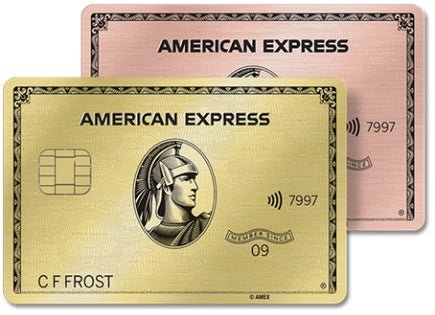
The card is made of metal and comes in two colors: Gold and Rose Gold. While the physical weight and appearance suggest a certain level of prestige, the real meaning lies in its earning potential. It is designed for the "foodie" or the household manager who spends significantly at U.S. supermarkets and restaurants worldwide.
The Hybrid Nature of Spending Limits
Unlike a traditional credit card with a fixed $5,000 or $10,000 limit, the Gold Card often features No Preset Spending Limit. This does not mean unlimited spending. Instead, your limit adjusts based on your use of the card, your payment history, and your credit record. This flexibility can be useful for large purchases, but it also requires a high degree of financial discipline.
The Role of Membership Rewards
What the card truly means for your wallet is access to the Membership Rewards program. These points are a "transferable currency," meaning you can move them to various airline and hotel partners. For many, this is the most valuable way to use the card. Rather than getting 1% or 2% cash back, you are earning points that could potentially be worth more when redeemed for international business class flights or high-end hotel stays. MoneyAtlas explains more in its guide to evaluating credit card annual fees, interest rates, and rewards.
Breaking Down the Rewards Structure
The primary value proposition of the Gold Card is its "4X" categories. These are the areas where you earn 4 Membership Rewards points for every $1 spent.
- Restaurants Worldwide: This includes takeout and delivery in the U.S. The 4X rate applies to the first $50,000 in purchases per calendar year. After that, you earn 1X.
- U.S. Supermarkets: You earn 4X points on up to $25,000 in purchases per calendar year. After reaching this limit, the rate drops to 1X.
- Flights: You earn 3X points on flights booked directly with airlines or through the American Express travel portal.
- Prepaid Hotels: You earn 2X points on prepaid hotels and other eligible travel booked through the American Express portal.
Understanding the $325 Annual Fee
As of recent updates, the annual fee for the American Express Gold Card is $325. For many, this is the most significant hurdle. To understand if the card makes sense, you have to view the fee as a pre-payment for a suite of credits.
If you do not use the specific credits provided by the card, the $325 is a pure cost. If you already spend money with the partners American Express has selected, the card can effectively pay for itself. MoneyAtlas makes it easier to compare these types of fee-based cards against no-annual-fee credit card alternatives by looking at the "net" cost of ownership.
The Statement Credit Math
The card offers four primary credits that total up to $424 in value. However, these are not lump-sum payments. They are distributed monthly or biannually, which requires consistent engagement with the card.
- $120 Uber Cash: You receive $10 in Uber Cash each month for U.S. Uber Eats orders or Uber rides. You must add the card to your Uber account to receive this.
- $120 Dining Credit: You can earn up to $10 in statement credits monthly when you use the card at specific partners. These include Grubhub, Five Guys, The Cheesecake Factory, Buffalo Wild Wings, and Wonder.
- $100 Resy Credit: This is a biannual credit. You get up to $50 from January through June and another $50 from July through December when you spend at U.S. Resy restaurants.
- $84 Dunkin' Credit: You receive up to $7 monthly in statement credits for purchases at U.S. Dunkin' locations.
Is the American Express Gold Card "Worth It"?
Deciding if the card is worth it requires a simple math exercise. You must look at your existing habits. If you already go to Dunkin' once a week and order Grubhub twice a month, you are likely to get the full $424 in value. In that case, you are effectively being paid $99 per year to carry the card.
However, if you live in a rural area without Uber or Dunkin', or if you prefer shopping at local butchers that don't code as "supermarkets," the card's meaning changes. It becomes an expensive piece of metal that costs you $325 a year.
Who the Card is Best For
- High Food Spenders: If your household spends $1,000 a month on groceries and $500 on dining, you would earn 72,000 points a year.
- Frequent Travelers: Because points transfer to airlines like Delta, British Airways, and Singapore Airlines, the card is a powerful tool for those who know how to book award travel.
- Credit Card Maximizers: People who don't mind tracking monthly credits to ensure they get their money's worth.
Who Should Avoid the Card
- Low Spenders: If you spend less than $300 a month on food, the points won't accumulate fast enough to justify the fee.
- Cash Back Seekers: Membership Rewards are best used for travel. If you want cash back to pay your bill, this card offers a poor redemption rate (often 0.6 cents per point).
- International Supermarket Shoppers: The 4X supermarket benefit only applies to U.S. locations. If you live or shop mostly abroad, you lose one of the card's biggest perks.
How the Gold Card Compares to Others
When evaluating what the Gold Card means for you, it is helpful to compare it to its closest rivals. MoneyAtlas provides side-by-side credit card comparisons to look at these cards together, but here is the general landscape.
Amex Gold vs. Amex Platinum
The Platinum Card has a much higher fee (currently $695). While the Gold Card focuses on the "daily grind" of food and groceries, the Platinum Card is built for the airport experience. It offers lounge access, airline fee credits, and hotel elite status. Many people carry both, using the Gold for food and the Platinum for travel and large purchases.
Amex Gold vs. Chase Sapphire Preferred
The Chase Sapphire Preferred review has a lower annual fee (typically $95) and offers a simpler rewards structure. It earns 3X on dining and 2X on travel. While the 4X on the Amex Gold is higher, the Chase card is often considered more accessible for beginners because the fee is lower and the points are easier to use for a flat 1.25% value through the Chase portal.
Amex Gold vs. Capital One Savor
The Capital One Savor Cash Rewards review covers another strong contender for food spenders. It offers cash back instead of points, which some people prefer for simplicity. Comparing the two usually comes down to whether you want the complexity of travel points or the straightforward nature of cash.
The Physical and Social Meaning
We cannot discuss the Gold Card without mentioning its status. For many, pulling out a heavy metal card "means" something in a social setting. American Express has leaned into this with the Rose Gold option, which became so popular it was made a permanent choice.
However, a savvy financial consumer knows that status does not pay the bills. The "meaning" of the card in a financial sense is its ability to lower the cost of your future travel. If you are using the card but not transferring the points to partners for high-value flights, you are likely overpaying for the aesthetic.
Practical Steps to Manage the Card
If you decide to apply for the American Express Gold Card, there are a few procedural steps to ensure you get the most out of it.
Practical Steps to Manage the Card
- 1
Check for a Welcome Offer
American Express often offers 60,000 to 100,000 points for spending a certain amount (like $6,000 or $8,000) in the first six months. These offers vary, so check current terms.
- 2
Activate Credits Immediately
Once you receive the card, log in to the app and enroll in the Dining, Resy, and Dunkin' credits.
- 3
Link to Uber
Add the card as a payment method in the Uber app to ensure your $10 monthly credit appears.
- 4
Track Your Category Spend
Keep an eye on your supermarket spending. If you hit the $25,000 cap, you might want to switch to a different card for the rest of the year.
The Role of Authorized Users
The American Express Gold Card allows you to add up to five additional people to your account for no extra annual fee. This is a significant benefit compared to the Platinum card, which charges for each additional user.
Adding an authorized user means their spending also earns points for your account. If you have a spouse or partner who also spends heavily at the grocery store, their 4X earnings can help you reach your travel goals much faster. However, you are legally responsible for all charges they make. MoneyAtlas suggests setting individual spending limits for authorized users if you want to keep a tight grip on your household budget.
Travel Benefits Beyond Points
While food is the focus, the Gold Card includes "The Hotel Collection." If you book a stay of at least two nights through the American Express travel portal, you receive a $100 on-property credit for things like spa treatments or dining. You may also get a room upgrade if one is available.
The card also provides secondary car rental loss and damage insurance and baggage insurance. While not as robust as the coverage on some ultra-premium cards, it provides an extra layer of protection when you are away from home. For broader context, MoneyAtlas compares travel rewards credit cards.
Fine Print and Fees to Watch
Beyond the annual fee, there are other costs to consider. The Gold Card has no foreign transaction fees, which makes it a good companion for international trips. However, if you use the Pay Over Time feature, the interest rates can be quite high, often exceeding 20% or 25% depending on your creditworthiness.
There is also a "once per lifetime" rule for welcome bonuses. American Express generally only allows you to earn a welcome bonus on a specific card once. If you have had the Gold Card in the past, you likely won't qualify for a new bonus, though there are occasionally "no lifetime language" offers sent to specific customers.
Conclusion
The American Express Gold Card means you are choosing a high-octane rewards tool designed for a specific lifestyle. It is a commitment to a $325 annual fee in exchange for elite earning power at supermarkets and restaurants. If you are a person who values travel and already uses services like Uber and Grubhub, the card is an efficient way to subsidize your vacations. If you prefer simplicity or have lower monthly expenses, the fee may be a burden rather than a benefit.
- Evaluate your monthly grocery and dining spend to see if 4X points move the needle.
- Confirm that you will actually use the monthly Uber, Dining, and Dunkin' credits.
- Compare the Gold Card against the Amex Platinum and Chase Sapphire Preferred to ensure the rewards match your goals.
For those ready to move toward a premium rewards strategy, the Gold Card offers a clear path to high-value travel redemptions. You can use MoneyAtlas to compare current credit card offers and see how the Gold Card stacks up against 1,500 other financial products in our database.
FAQ
MoneyAtlas Staff
Articles and reviews from the MoneyAtlas editorial team — independent research on credit cards, banking, loans, insurance, and investing.
Related Articles

What the Difference Between American Express Gold and Platinum Is
Wondering what the difference between American Express Gold and Platinum is? Compare annual fees, 4X food rewards, and luxury travel perks to find your fit.

What Is the Difference Between Gold and Platinum American Express?
What is the difference between gold and platinum american express? Compare fees, 4x dining rewards, and luxury travel perks to find your perfect card.

What Is the Fee for American Express Gold Card?
Wondering what is the fee for american express gold card? It's $325 annually. Learn how to offset this cost with over $400 in credits and 4X rewards.