Requirements to Qualify for the American Express Gold Card


Introduction
Determining whether you meet the criteria for the American Express Gold Card is a common first step for those who spend heavily on dining and groceries. This premium card occupies a unique space between entry-level rewards cards and high-end luxury options, offering significant value through its 4x earning categories and annual statement credits. Understanding the specific benchmarks for credit scores, income levels, and internal issuer rules can help you decide if it is the right time to apply. MoneyAtlas compares hundreds of financial products to help you see where this card fits in the broader landscape. This guide breaks down the eligibility requirements, the application process, and the specific factors that influence an approval decision. Getting approved requires more than just a high credit score; it involves a clear picture of your overall financial health and your history with the issuer.
The Role of Credit Scores in Approval
While American Express does not publicly list a hard minimum credit score for its products, the Gold Card is generally positioned for individuals with good to excellent credit. In the world of credit scoring, this typically translates to a FICO score of 670 or higher. Many successful applicants report scores in the 700% to 750% range, which often provides a more comfortable margin for approval.
The issuer looks at your credit report to gauge how you manage debt over time. They specifically look for a consistent history of on-time payments and a low credit utilization ratio. Credit utilization is the percentage of your available credit that you are currently using. Keeping this number below 30% is a standard benchmark, but those with the best approval odds often keep it under 10%.
Understanding Your FICO Score Components
Your credit score is not a single number but a reflection of several behaviors. Understanding these components can help you prepare for an application:
- Payment History (35%): This is the most significant factor. Even one late payment in the last year can impact your odds.
- Amounts Owed (30%): This looks at your total debt and your utilization across all cards.
- Length of Credit History (15%): Premium cards often favor those with a longer track record of managing accounts.
- Credit Mix (10%): Having a variety of account types, such as a car loan and a credit card, can be beneficial.
- New Credit (10%): Frequent applications for new credit in a short period can be viewed as a sign of financial stress.
For broader context on how card issuers evaluate applicants, review American Express approval requirements.
Income Requirements and Ability to Pay
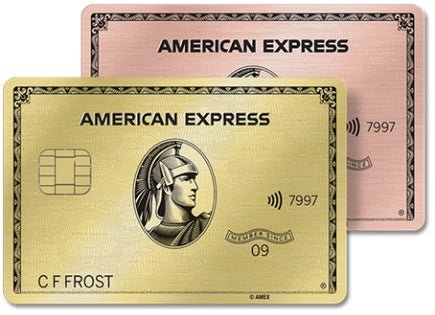
The American Express Gold Card is a rewards-heavy card with a $325 annual fee. Because of this, the issuer must ensure that any cardholder has the financial means to pay their bills and the fee itself. There is no specific "minimum income" disclosed, but you must report your gross annual income on the application.
Federal law requires card issuers to consider an applicant's "ability to pay." For individuals 21 and older, this can include "household income," which means you can count income from a spouse or partner if you have a reasonable expectation of access to it. For those between 18 and 20, the rules are stricter, and the issuer typically only considers personal independent income.
What Counts as Income?
When filling out the application, you do not have to limit yourself to just your base salary. You can often include:
- Full-time or part-time wages
- Bonuses and commissions
- Investment dividends or interest
- Social Security benefits or pensions
- Child support or alimony
- Rental property income
The "Apply with Confidence" Feature
One of the most significant changes in how people apply for American Express cards is the "Apply with Confidence" tool. This feature allows you to find out if you are approved for the card with a soft credit pull. A soft pull does not impact your credit score.
If the tool indicates you are approved, you can then choose to accept the card. It is only at the moment of acceptance that American Express performs a hard inquiry, which is the type of check that can temporarily lower your credit score by a few points. This feature is particularly useful for those who are on the fence about their eligibility and want to avoid unnecessary marks on their credit report.
For more information about soft inquiries and application screening, read this guide to pre-approved and pre-qualified credit cards.
The Steps of the Application Process
The Steps of the Application Process
- 1
Check your credit score
Use a service to see your current FICO score to ensure it is in the "good" range of 670 or higher.
- 2
Gather your financial data
Have your gross annual income and monthly housing payment ready.
- 3
Use the pre-approval tool
Visit the issuer's site and enter your details to see if you have a high probability of approval without affecting your score.
- 4
Review the offer
If approved, the issuer will show you the specific welcome offer and terms.
- 5
Accept and confirm
Once you accept, the hard inquiry occurs, and your new card is typically mailed within a few business days.
Internal American Express Rules and Limitations
Even if you have a 800% credit score and a high income, internal rules at American Express could lead to a denial. These rules are designed to limit the issuer's risk and manage how many rewards they distribute.
The Once-Per-Lifetime Rule
American Express generally limits the welcome bonus on its cards to once per lifetime. If you have had the Gold Card in the past and received a bonus, you might still be approved for the card, but you likely will not be eligible for the current 60,000 or 100,000-point introductory offer. If you are ineligible for the bonus, a pop-up window usually appears during the application process to notify you before you commit.
The Five-Card Limit
The issuer often limits individuals to holding five consumer credit cards at one time. It is important to note that the Gold Card is technically a charge card (though it has features like Pay Over Time), and charge cards sometimes fall under different internal counting rules than traditional credit cards. However, if you already have several American Express cards, this is a factor to consider.
Your Past Relationship
Your history with the brand matters significantly. If you have had an American Express card in the past and closed it in good standing, your odds may be higher. Conversely, if you have ever had an account go to collections with them, or if you frequently open and close cards just to get bonuses (a practice often called "churning"), they may decline your application regardless of your current credit score.
Understanding the "No Preset Spending Limit"
A common point of confusion is the spending limit on the Gold Card. Because it is a charge card, it does not have a fixed credit limit like a traditional card. Instead, it has a "No Preset Spending Limit."
This does not mean your spending is unlimited. Your capacity to spend adjusts based on your use of the card, your payment history, and your financial profile. If you plan to make a very large purchase, the American Express mobile app includes a "Check Spending Power" tool. This allows you to see if a specific dollar amount will be authorized before you reach the register.
Evaluating the Value Proposition
Qualifying for the card is only half the battle; the other half is deciding if the $325 annual fee makes sense for your budget. The card is built for those who spend significantly on "food and fuel."
MoneyAtlas suggests looking at your past three months of spending to see how much you typically spend at U.S. supermarkets and restaurants. The card offers 4x points in these categories, which is among the highest rates available.
For a broader look at how annual fees, rewards, and interest costs work together, read how to evaluate credit card annual fees and rewards.
Statement Credits and Offsets
To justify the fee, many cardholders look at the annual credits:
- $120 Dining Credit: Distributed as $10 per month for use at specific merchants like Grubhub, Five Guys, and The Cheesecake Factory.
- $120 Uber Cash: $10 per month for Uber rides or Uber Eats orders in the U.S.
- $100 Resy Credit: $50 semi-annually for dining at Resy-affiliated restaurants.
- $84 Dunkin' Credit: $7 per month at Dunkin' locations.
If you already spend money at these businesses, these credits can effectively reduce the "out of pocket" cost of the annual fee. If you do not use these services, the card becomes much more expensive to carry.
Common Reasons for Denial
If your application is not approved, it is usually due to one of several common factors. Understanding these can help you improve your profile before applying again in six months or a year.
High Debt-to-Income Ratio: If a large percentage of your monthly income goes toward housing, student loans, or car payments, the issuer may feel you do not have enough "cushion" to manage a new line of credit.
Too Many Recent Inquiries: If you have applied for three other credit cards in the last four months, you may look like a "risky" borrower who is suddenly in need of a lot of credit. This is often a temporary hurdle that can be solved by waiting six months between applications.
Limited Credit History: If you are a student or someone new to the U.S., you may not have enough "depth" in your credit report. In these cases, starting with a basic card or being added as an authorized user on another person's account can help build the necessary history.
Recent Negative Marks: A bankruptcy, foreclosure, or a series of late payments within the last two years will make it very difficult to qualify for a premium card like the Gold.
If your credit profile is not ready for a premium rewards card, compare credit cards for rebuilding credit.
Comparing Your Options
Before you commit to the Gold Card, it is worth comparing it to other cards in the same price range. For example, some cards offer 2% cash back on all purchases without the complexity of monthly credits. Others might focus more on travel perks like airport lounge access, which the Gold Card does not offer.
MoneyAtlas makes it easier to compare these features side by side. By looking at the annual fees, reward structures, and redemption options of several cards at once, you can see if the Gold Card truly fits your spending habits or if a different card might serve you better.
Compare rewards credit cards to review earning structures, fees, and redemption options across multiple products.
What to Do if You Are Denied
If you receive a denial, you do not necessarily have to give up. You can call the American Express reconsideration line. This allows you to speak with a human representative who can review your application.
During this call, you can provide context that a computer algorithm might have missed. For example, if your income recently increased but isn't reflected on your old tax returns, or if a high balance on another card has since been paid off, the representative may be able to overturn the initial decision.
If the denial stands, focus on these steps:
What to Do if You Are Denied
- 1
Reduce your balances
Pay down existing credit card debt to lower your utilization.
- 2
Wait
Give your credit report time to "cool off" from recent inquiries.
- 3
Check for errors
Obtain a free copy of your credit report from each of the three major bureaus to ensure there are no mistakes dragging your score down.
Final Decision Factors
Qualifying for the American Express Gold Card is a milestone for many rewards enthusiasts. It signals that you have reached a level of credit maturity that allows access to premium financial products. However, the card is a tool, not a trophy.
The best candidate for this card is someone who:
- Spends at least $500 to $1,000 per month on groceries and dining.
- Values travel rewards and is willing to learn how to transfer points to airline partners.
- Lives or works near the specific merchants that provide the monthly statement credits.
- Has a FICO score comfortably above 670%.
If this describes your situation, the "Apply with Confidence" tool is a low-risk way to test the waters. If your spending is more diverse or you prefer simple cash back, you may find better value in a card with a lower annual fee and a flat rewards rate. We encourage you to use our best cash back card comparison to evaluate the Gold Card against its top competitors.
FAQ
MoneyAtlas Staff
Articles and reviews from the MoneyAtlas editorial team — independent research on credit cards, banking, loans, insurance, and investing.
Related Articles

How to Get the Rose Gold American Express Card
Learn how to get rose gold American Express card designs as a new or existing member. Compare rewards, fees, and follow our easy steps to upgrade today.

Does American Express Gold Card Have Travel Insurance?
Does American Express Gold Card have travel insurance? Discover coverage for trip delays, lost baggage, and car rentals, plus key exclusions to know.

How to Get an American Express Gold Card: Eligibility and Steps
Learn how to get an American Express Gold Card with our guide on credit scores, income requirements, and the Apply with Confidence feature.