Is the American Express Gold Card Made of Metal?


Introduction
The physical design of a credit card has become a significant factor for many applicants, often rivaling the importance of reward rates and travel perks. When people ask if the American Express Gold Card is made of metal, they are usually looking for that specific weight and durability associated with premium financial products. MoneyAtlas tracks these design changes to help consumers understand exactly what they are carrying in their wallets. Whether a card is made of metal or plastic does not change its purchasing power, but it does impact the long-term durability and the tactile experience of using the card at a terminal. This article covers the specific materials used in the different American Express Gold Card designs, how the weight compares to other premium cards, and whether the card’s financial benefits justify its physical presence in your wallet. The American Express Gold Card review covers the card’s broader rewards and fee structure. The American Express Gold Card offers two distinct design choices, and the answer to the metal question depends entirely on which one you select.
Metal vs. Plastic: The Amex Gold Design Choices
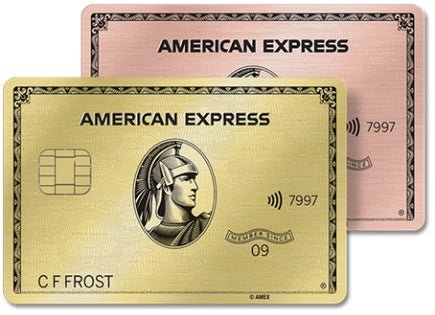
The American Express Gold Card is unique because it offers two primary aesthetic options: the classic Gold and the Rose Gold. For a long time, the physical composition of these cards was a point of confusion for consumers. Recent product updates have clarified that the choice of color also dictates the primary material of the card.
The Rose Gold Version
The Rose Gold design is the primary choice for those seeking a metal card. It features a metallic composition that provides the weight and the signature sound when placed on a table or counter. This design was originally introduced as a limited-edition option but became a permanent fixture in the lineup due to its popularity. It is specifically marketed as a metal card, offering a premium feel that many users prefer for a card with a significant annual fee.
The Classic Gold Version
The traditional yellow Gold design has undergone several manufacturing changes over the years. According to current product specifications, the classic Gold version is made of 85% recycled plastic. While it is designed to be durable and look nearly identical to a metal card at first glance, it lacks the same weight and metallic "clink" as the Rose Gold alternative. This shift toward recycled plastic is part of broader corporate sustainability initiatives, but it is a critical distinction for anyone who prioritizes the physical material of their credit card.
Requesting a Specific Design
When applying for the card, new members are generally given the option to choose their preferred design. Existing cardholders who currently have a plastic version of the classic Gold card can often request a design change through their online account. This process involves navigating to the card management section of the app or website and selecting a new design.
Why the Material of Your Credit Card Matters
The shift from plastic to metal in the credit card industry began as a way for banks to signal prestige. Beyond the social signaling, there are practical reasons why someone might prefer one material over the other.
Durability and Longevity
Metal cards are significantly more resistant to wear and tear than traditional plastic. Over several years of being slid through readers or kept in a tight wallet, plastic cards can begin to delaminate, peel, or crack. Metal cards generally maintain their structural integrity until their expiration date. For a card like the American Express Gold, which is often used daily for grocery and dining purchases, this extra durability can prevent the need for mid-cycle replacements.
The Weight Factor
A standard plastic credit card weighs approximately 5 grams. In contrast, a metal card can weigh anywhere from 12 to 18 grams. This weight difference is noticeable in the hand and provides a sense of substance. However, for those who prefer ultra-slim wallets or carry many cards at once, the cumulative weight of several metal cards can become a minor inconvenience.
Payment Technology Compatibility
Whether the card is metal or plastic, it includes the same modern payment technology. Both versions of the American Express Gold Card are equipped with contactless "tap-to-pay" capabilities and EMV chips. There is no functional difference in how the card works at a gas station, a restaurant, or an international terminal.
Comparing the Weight: Gold vs. Platinum vs. Competitors
To understand where the American Express Gold Card sits in the hierarchy of premium cards, it helps to compare it to other popular options. The "clank factor" is a real metric used by enthusiasts to rank how substantial a card feels.
- American Express Platinum Card: This is a heavy metal card, usually weighing around 17 to 18 grams. It is widely considered one of the standard-bearers for metal card design.
- American Express Gold (Rose Gold): This version is slightly lighter than the Platinum but still falls firmly into the metal category, typically weighing around 15 grams.
- Chase Sapphire Preferred: A popular competitor that uses a metal core sandwiched between thin plastic layers, weighing roughly 12 grams.
- Standard Plastic Cards: Most basic credit cards and the classic version of the Amex Gold weigh 5 grams.
The weight of a card is often a reflection of its annual fee and target demographic. Since the American Express Gold Card occupies a middle ground between entry-level cards and the high-end Platinum, its physical build reflects that positioning.
Beyond the Metal: Evaluating the Card’s Value
While the material is a fun detail, the decision to carry the American Express Gold Card should be based on its financial structure. This card is specifically designed for people whose highest monthly expenses are food-related. Readers comparing points programs can also review current rewards credit card options.
The 4X Earning Strategy
The card earns 4 Membership Rewards points per dollar spent at restaurants worldwide. This applies to a maximum of $50,000 in purchases per calendar year, after which the rate drops to 1%. It also earns 4X points at U.S. supermarkets on up to $25,000 in purchases per calendar year. For a household that spends $1,000 a month on groceries and $500 on dining, these 4X categories can generate a significant amount of travel rewards over a year.
Travel Perks
The card earns 3X points on flights booked directly with airlines or through the American Express travel portal. While it is not a dedicated "travel card" in the same way the Platinum is, it provides enough travel utility for the occasional vacationer. It also offers access to The Hotel Collection, which provides a $100 credit for qualifying on-property charges when you book a stay of two nights or more. Travelers comparing similar products can browse MoneyAtlas travel credit card comparisons.
Understanding the Credits and Fees
The American Express Gold Card has an annual fee of $325. To determine if the card makes sense, you must look at the statement credits that can offset this cost. For a broader framework, read this guide on evaluating credit card annual fees, interest rates, and rewards.
Dining Credit
Users can earn up to $10 in monthly statement credits, up to $120 annually, when paying with the card at participating partners. These include Grubhub, The Cheesecake Factory, Buffalo Wild Wings, and Five Guys. Enrollment is required to trigger this credit.
Uber Cash
By adding the Gold Card to an Uber account, cardholders receive $10 in Uber Cash each month, totaling $120 per year. This can be used for Uber Eats orders or Uber rides within the United States.
Resy and Dunkin' Credits
Newer additions to the card include a $100 Resy credit, which is split into two $50 semi-annual blocks for use at participating restaurants. There is also an $84 annual Dunkin' credit, delivered as $7 per month in statement credits.
The Math of the Annual Fee
If a cardholder uses all the available credits, $120 Dining + $120 Uber + $100 Resy + $84 Dunkin', the total value reaches $424. This technically exceeds the $325 annual fee. However, this only represents true value if the cardholder was already planning to spend money at those specific businesses. If you have to change your habits to use a credit, the effective value of that credit is lower.
How to Choose Your Design or Replace a Plastic Card
If you are an existing cardholder and realized your current card is plastic, you are not stuck with it until it expires. American Express makes it relatively simple to swap designs.
Step-by-Step Design Swap
How to Choose Your Design or Replace a Plastic Card
- 1
Log in to your account
Access your account through the American Express mobile app or the desktop website.
- 2
Find Card Management
Look for the "Account Services" tab, then select "Card Management."
- 3
Change Card Design
Select the option to "Change Card Design." Here, you should see the choice between the classic Gold and the Rose Gold.
- 4
Confirm and Wait
Once you select the Rose Gold metal option, a new card will be mailed to your address on file. Your old card will continue to work until you activate the new one, but you should destroy the old plastic card once the metal one arrives.
Managing and Disposing of Metal Cards
One downside to metal cards is that they cannot be disposed of easily. You cannot simply cut them with a pair of household scissors. Doing so can damage your scissors and leave your sensitive information intact on the metal shards.
Disposal Methods
Most issuers, including American Express, provide a solution for expired or cancelled metal cards. You can often contact the customer service number on the back of the card to request a prepaid return envelope. You mail the card back to the issuer, and they destroy it securely using industrial shredders. This is the safest way to protect your identity when a metal card is no longer in use.
Security Considerations
Because metal cards are more difficult to destroy, they can be a security risk if simply tossed in the trash. Always use the manufacturer's recommended disposal method. Additionally, the weight of the card makes it less likely to be accidentally left behind at a restaurant, as the absence of that weight in your wallet is often immediately noticeable.
Comparing the Amex Gold to Other Metal Options
If the physical construction of the card is your primary concern, MoneyAtlas provides tools to compare the weights and materials of various premium cards side by side. While the Amex Gold is a top-tier choice for dining, other metal cards might fit different lifestyles. You can also compare leading credit cards side by side by fees, rewards, and features.
- Capital One Venture X: A heavy metal card focused on simple travel rewards and lounge access.
- Bilt Mastercard: A metal card that allows you to earn points on rent payments without a transaction fee.
- Chase Sapphire Reserve: A high-end metal card with a significant travel credit and airport lounge access.
Each of these cards offers a different "hand feel" and a different set of financial trade-offs. Using a comparison tool allows you to see the annual fees, reward structures, and material descriptions in one place so you can make an informed decision.
Conclusion
The American Express Gold Card is a versatile tool for anyone who spends heavily on food and travel. While the classic Gold version has moved toward a more sustainable, 85% recycled plastic construction, the Rose Gold design remains a heavy metal option for those who value that premium experience. With an annual fee of $325 and a suite of credits that can offset that cost, the card's value is found in its 4X points on dining and groceries. When choosing between the designs, consider your personal style and how much you value the durability of metal versus the sustainability of recycled plastic.
Final Step: To see how the American Express Gold Card stacks up against other metal cards like the Chase Sapphire or Capital One Venture X, use the MoneyAtlas credit card comparison tool to view fees, rewards, and materials side by side.
FAQ
MoneyAtlas Staff
Articles and reviews from the MoneyAtlas editorial team — independent research on credit cards, banking, loans, insurance, and investing.
Related Articles

What the Difference Between American Express Gold and Platinum Is
Wondering what the difference between American Express Gold and Platinum is? Compare annual fees, 4X food rewards, and luxury travel perks to find your fit.

What Is the Difference Between Gold and Platinum American Express?
What is the difference between gold and platinum american express? Compare fees, 4x dining rewards, and luxury travel perks to find your perfect card.

What Is the Fee for American Express Gold Card?
Wondering what is the fee for american express gold card? It's $325 annually. Learn how to offset this cost with over $400 in credits and 4X rewards.