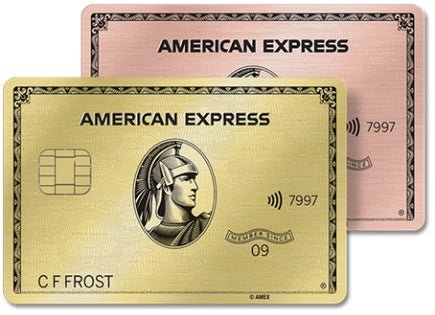
The American Express Gold Card is widely recognized for its high rewards rate on dining and US supermarkets, but its travel benefits often receive less attention. For travelers deciding whether this card provides enough protection for a trip, understanding the specific insurance tiers is essential. MoneyAtlas tracks these benefits to help consumers compare how different cards handle travel disruptions. While the card is not as insurance-heavy as the Platinum version, it does include several key protections that can save a traveler hundreds of dollars during a delay or equipment failure.
This post examines exactly which travel insurance benefits come with the American Express Gold Card, how they function, and where the gaps in coverage exist. We look at the specific dollar limits, the requirements to activate coverage, and the common exclusions that travelers should know before heading to the airport. Understanding these terms helps determine if the built-in protections are sufficient or if a standalone travel insurance policy is worth comparing for an upcoming journey. For a broader look at the card’s rewards, fees, and benefits, read our American Express Gold Card review.
The Short Answer: Included Protections
The travel insurance provided by the American Express Gold Card is a complimentary benefit. There is no additional monthly fee for these protections, but they are only active when a traveler uses the card to pay for their travel expenses. These benefits fall into four primary categories:
Trip Delay Insurance: Coverage for expenses during long delays.
Baggage Insurance Plan: Protection for lost, stolen, or damaged luggage.
Car Rental Loss and Damage Insurance: Secondary coverage for rental vehicle theft or damage.
Global Assist Hotline: A 24/7 service for medical, legal, and financial coordination.
Trip delay insurance is designed to reimburse travelers for unexpected expenses when a trip is delayed for a significant amount of time. For the American Express Gold Card, the threshold for this coverage is 12 hours. If a flight, train, or bus is delayed by more than 12 hours for a covered reason, the cardholder may be reimbursed for reasonable additional expenses.
What is Covered?
The coverage limit is up to $300 per covered trip. A cardholder is limited to two claims per eligible card per 12 consecutive month period. This money is intended to cover essential needs that arise because of the delay, such as:
Meals and refreshments.
Overnight lodging if the delay requires an unexpected stay.
Toiletries and personal use items.
Medication that was not packed for an extended stay.
Covered Reasons for Delay
Not every delay qualifies for reimbursement. According to the policy terms, the delay must be caused by one of the following:
Inclement weather: Storms or natural disasters that prevent the common carrier from departing.
Equipment failure: Mechanical issues with the aircraft, bus, or ship.
Lost or stolen travel documents: A delay caused by the loss of a passport or other necessary documents.
Terrorism or hijacking: Delays resulting from security threats or active incidents.
The Baggage Insurance Plan provides coverage when a cardholder's checked or carry-on baggage is lost, damaged, or stolen while in the care of a common carrier. A common carrier refers to any professional transportation service that operates on a regular schedule, such as an airline, cruise line, or train service.
Coverage Limits and Tiers
The amount of coverage depends on the type of bag and who it belongs to. The plan covers the primary cardmember, their spouse or domestic partner, and dependent children under the age of 23. The limits are:
Carry-on Baggage: Up to $1,250 per person.
Checked Baggage: Up to $500 per person.
It is important to note that these limits are "per person," not "per bag." If a traveler has three checked bags that are all lost, the total reimbursement is still capped at $500.
High-Value Item Restrictions
There are specific caps on what American Express calls "high-risk items." This includes jewelry, sporting equipment, cameras, computers, and items made of precious metals. The maximum reimbursement for all such items combined is typically limited to $250. Travelers carrying expensive photography gear or high-end laptops should recognize that the standard card insurance may not cover the full replacement cost of these items.
Car Rental Loss and Damage Insurance
When a cardmember uses their American Express Gold Card to reserve and pay for a rental car, they may receive coverage for theft or damage to the vehicle. This is one of the most commonly used travel benefits, as it allows the traveler to decline the expensive Collision Damage Waiver (CDW) offered by the rental agency.
Secondary vs. Primary Coverage
The car rental insurance provided by the American Express Gold Card is secondary coverage. This means the cardholder must first file a claim with their personal auto insurance company. The Amex coverage will only kick in to pay for costs that the personal insurer does not cover, such as the deductible.
Travelers who want to compare protections across rewards products can also browse rewards credit card options.
Key Requirements and Exclusions
To activate this coverage, the traveler must:
Use the eligible card to pay for the entire rental.
Decline the rental company’s collision damage waiver or similar option.
There are several notable exclusions. The insurance does not provide liability coverage, which means it does not pay for damage to other vehicles or injuries to other people. It also excludes certain types of vehicles, such as cargo vans, limousines, motorcycles, and off-road vehicles. Geographic restrictions also apply; rentals in certain countries, including Australia, Italy, and New Zealand, are generally not covered by this policy.
Global Assist Hotline: Your Travel Coordinator
The Global Assist Hotline acts as a dedicated concierge for travel emergencies. This service is available 24 hours a day when the cardmember is traveling more than 100 miles from their home address.
It is vital to distinguish between coordination and payment. Global Assist helps find and arrange services, but the cardmember is responsible for the actual costs charged by third-party providers. Services include:
Medical referrals: Finding local doctors or hospitals.
Legal referrals: Connecting with local legal professionals or embassies.
Emergency cash wires: Arranging for cash transfers if a wallet is lost.
Missing luggage assistance: Helping track down lost items with the carrier.
While the hotline itself is a free benefit, any medical bills, legal fees, or transportation costs arranged through the service must be paid for by the cardmember.
What is Missing? Gold vs. Platinum Coverage
The American Express Gold Card is a mid-tier card, and its insurance profile reflects that. When comparing options on MoneyAtlas, travelers often notice that the Platinum Card offers significantly more robust protections. The differences between variable rates and card terms are explained in MoneyAtlas’ guide to variable APR.
The Trip Cancellation Gap
The most significant omission on the Gold Card is Trip Cancellation and Interruption Insurance. If a traveler gets sick before a trip or an immediate family member has an emergency that requires them to cancel a $5,000 non-refundable vacation, the Gold Card provides $0 in reimbursement. The Platinum Card, by contrast, offers up to $10,000 per trip for these exact scenarios.
The Emergency Medical Gap
None of the standard American Express credit cards, including the Gold and Platinum, offer traditional emergency medical insurance. If a traveler is hospitalized in a foreign country, the card will not pay the hospital bill. While the Platinum Card offers "Medical Evacuation" (transporting a patient to a better facility), the Gold Card does not even offer that. Travelers going abroad should compare standalone travel insurance policies if they want coverage for medical expenses.
Comparison Table: Gold vs. Platinum Insurance
Benefit
American Express Gold
American Express Platinum
Trip Delay Insurance
Up to $300 (12+ hours)
Up to $500 (6+ hours)
Baggage Insurance
$1,250 Carry / $500 Check
$3,000 Carry / $2,000 Check
Trip Cancellation
No Coverage
Up to $10,000 per trip
Trip Interruption
No Coverage
Up to $10,000 per trip
Car Rental
Secondary
Secondary
Medical Evacuation
No Coverage
Included (No Limit)
Readers comparing card costs and terms can use MoneyAtlas’ APR guide before weighing annual fees against travel benefits.
How to Ensure Your Coverage is Active
Credit card travel insurance is not automatic for every trip you take. To ensure the benefits are valid, cardholders must follow a specific set of steps when booking their travel.
How to Ensure Your Coverage is Active
1
Pay Fare
The "entire fare" requirement is strict. This means the full cost of the plane, train, or bus ticket must be charged to the American Express Gold Card. If a traveler pays for half the ticket with a gift card or a different credit card, the insurance may be voided. Using Amex Membership Rewards points to book through the Amex Travel portal generally counts as paying with the card.
2
Keep Receipts
If a delay occurs, the insurance company will require proof. This includes the original travel itinerary, receipts for any purchases made during the delay, such as meals or toiletries, and a written statement from the airline confirming the reason and duration of the delay.
3
File the Claim
Most Amex insurance policies require notice of a claim within 30 to 60 days of the incident. Waiting too long to start the paperwork can result in a denial of the claim.
Is the Amex Gold Insurance Enough for You?
Whether the American Express Gold Card's travel insurance is "enough" depends on the nature of the trip. For domestic travel where the traveler has health insurance and is primarily worried about a flight delay or a lost suitcase, the card provides solid value. The $300 trip delay benefit is often enough to cover a hotel room and dinner near an airport.
However, for international travel or high-stakes vacations, the gaps are more apparent. Someone booking a $10,000 European cruise would likely want trip cancellation insurance to protect that investment. Similarly, travelers visiting countries where US health insurance does not provide coverage may find that the lack of medical insurance on the Gold Card is a significant risk.
In these cases, many travelers use MoneyAtlas to compare standalone travel insurance plans. These plans can be purchased for a specific trip and often include:
Primary Medical Coverage: Paying for doctor visits and hospital stays abroad.
Trip Cancellation for Any Reason (CFAR): More flexibility than standard card policies.
Baggage Delay: Reimbursing for essential clothes while waiting for a bag to arrive (which the Gold Card does not cover).
The American Express Gold Card offers a practical suite of travel protections that handle the "middle ground" of travel mishaps. While it won't reimburse a canceled $10,000 vacation or pay for an emergency surgery in a foreign country, it does provide a safety net for 12-hour flight delays and lost luggage. For many cardholders, this built-in protection is a valuable perk that justifies a portion of the card's annual cost.
Before your next trip, review your itinerary and total non-refundable costs. If the potential loss exceeds what the Gold Card covers, or if you are traveling to a region where your medical insurance is invalid, exploring additional coverage is a smart move. You can use the MoneyAtlas travel card comparison tools to see how various travel cards and insurance providers stack up, ensuring you have the right level of protection for your specific journey.
FAQ
Ready to pick a card?
Compare the cards our editors rate highest right now, side by side, with the fees and rewards that matter.
Wondering what is the difference between American Express Gold and Platinum? Compare annual fees, 4X vs 5X rewards, and luxury travel perks to find your fit.