Does American Express Gold Card Have Foreign Transaction Fees?


Introduction
The American Express Gold Card is a popular choice for those who spend heavily on dining and groceries, but its utility during international travel is a common question for potential cardholders. Specifically, many travelers want to know if they will be hit with extra charges every time they swipe the card outside the United States. MoneyAtlas tracks these card details to help you understand the true cost of your spending.
The short answer is that the American Express Gold Card does not charge foreign transaction fees. This makes it a strong companion for international trips, especially for those who plan to dine out frequently while abroad. In this guide, we will break down how these fees work, which American Express cards still carry them, and the traps to avoid when using your card in a foreign country. Our goal is to equip you with the facts so you can compare travel cards with confidence.
Understanding Foreign Transaction Fees
A foreign transaction fee is a surcharge that many credit card issuers add to purchases made outside your home country. These fees typically range from 1% to 3% of the total transaction amount. While 3% might seem like a small number, it adds up quickly. On a $3,000 international vacation, a 3% fee would cost you an extra $90 just for the privilege of using your card.
These fees are usually composed of two parts. The first is a fee charged by the card network, such as American Express, Visa, or Mastercard. The second is an additional markup added by the bank that issued the card. Because American Express acts as both the network and the issuer for the Gold Card, they have total control over whether to apply this fee.
It is a common misconception that you only pay these fees when you are physically standing in another country. In reality, any transaction processed by a foreign bank can trigger the fee. If you are sitting on your couch in the U.S. and buy a pair of shoes from a boutique in Italy, you could see a foreign transaction fee on your statement if your card carries one.
Does the American Express Gold Card Charge These Fees?
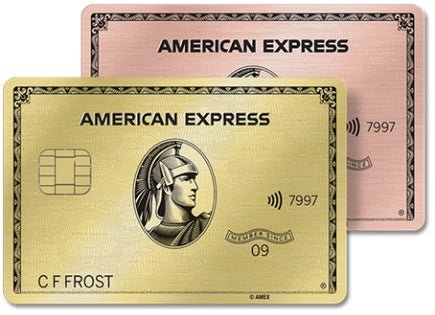
As of current terms, the American Express Gold Card has a 0% foreign transaction fee. This is a significant benefit for a card that is positioned as a premium lifestyle and travel tool.
Whether you are paying for a hotel in Tokyo, a dinner in Paris, or a taxi in Mexico City, the amount you see on the receipt is the only amount that will be converted and charged to your account. There is no additional line item for a currency conversion surcharge. This lack of fees also applies to the American Express Business Gold Card, making it a viable option for business owners who source products or services from international vendors.
Comparing Foreign Transaction Fees Across Amex Cards
Not every card in the American Express lineup waives these fees. While premium cards like the Gold and Platinum cards are fee-free in this category, many entry-level or cash-back cards still charge a fee for international use.
Note: Interest rates, annual fees, and terms are subject to change. MoneyAtlas recommends verifying current rates through comparison tools before applying.
For those who travel even once or twice a year, using a card with a 2.7% fee can significantly erode the value of any rewards or cash back earned on the trip. If you are choosing between cards, the international fee structure is a critical factor to weigh against the annual fee.
How Currency Conversion Works with American Express
Even though the Gold Card does not have a specific foreign transaction fee, your purchases still need to be converted from the local currency into U.S. dollars. American Express uses its own internal process to set these exchange rates.
When you make a purchase, American Express converts the amount into U.S. dollars on the date the transaction is processed, which may be a day or two after you actually made the purchase. The rate used is generally the interbank rate or a government-mandated rate in effect the day before the processing date.
While these rates are generally competitive and close to the mid-market rate you see on news sites, they are not always identical. However, for the average traveler, the difference is usually negligible compared to the high fees charged by cards that do not waive foreign transaction fees.
The Trap of Dynamic Currency Conversion (DCC)
One of the most important things to understand when using any card abroad is Dynamic Currency Conversion, or DCC. This is a service offered by many foreign merchants and ATM operators.
At the point of sale, a merchant might ask if you would like to be charged in the local currency, such as Euros, or in your home currency, U.S. dollars. It may seem helpful to see the price in dollars, but this is almost always a bad deal.
If you choose to pay in U.S. dollars, the merchant's bank sets the exchange rate rather than American Express. These banks often apply a massive markup, sometimes as high as 5% to 7%. This essentially functions as a hidden fee that you are opting into. Since the American Express Gold Card already waives its own foreign transaction fees, you should always choose to pay in the local currency. This ensures you get the competitive rate provided by American Express.
Other International Costs: ATM Fees and Cash Advances
While the Gold Card is excellent for point-of-sale purchases, it is not the best tool for getting cash in a foreign country. Using a credit card at an ATM is considered a cash advance, and this triggers a separate set of high costs.
- Cash Advance Fee: American Express typically charges a fee for cash advances, which is often around $10 or 5% of the withdrawal amount, whichever is greater.
- Immediate Interest: Unlike standard purchases, cash advances do not have a grace period. Interest begins to accrue the moment the cash is in your hand.
- ATM Operator Fees: The local bank owning the ATM may also charge its own fee for the transaction.
For international cash needs, a debit card that waives foreign transaction fees and reimburses ATM fees is a much better choice. Keep the American Express Gold Card for dining, flights, and hotels where you can swipe or tap.
Why the Gold Card is a Top International Travel Choice
The absence of foreign transaction fees is only part of why the Gold Card is favored by travelers. The card's rewards structure is particularly lucrative for those who spend money on food while exploring new countries.
The card earns 4X Membership Rewards points at restaurants worldwide. This is a rare feature, as many other cards limit their high-earning categories to U.S.-based restaurants only. With the Gold Card, a dinner at a bistro in Paris or a pasta spot in Rome earns the same 4X points as a meal in New York City, up to the annual limit.
Furthermore, the card includes several travel-related protections that add peace of mind when you are far from home:
- Car Rental Loss and Damage Insurance: This can provide secondary coverage if your rental car is damaged or stolen.
- Global Assist Hotline: If you run into legal, medical, or travel emergencies while more than 100 miles from home, this service can provide coordination and assistance.
- Baggage Insurance Plan: This can help cover the cost of lost, damaged, or stolen luggage when you use your card to book your travel.
How to Compare Your Travel Card Options
When deciding if the American Express Gold Card is the right fit for your international needs, it helps to look at the broader market. While the 0% foreign transaction fee is a standard for premium travel cards, the value of the card depends on your spending habits.
We make it easier to compare travel credit cards side by side. By looking at the annual fees, reward multipliers, and travel credits of different cards, you can determine if the Gold Card's benefits outweigh its costs for your specific lifestyle. For example, if you do not spend much on dining but spend a lot on general travel, you might want to compare the Gold Card against the Platinum Card or other major travel rewards cards that offer different point structures.
Practical Steps Before You Travel
If you have confirmed that your card has no foreign transaction fees and you are ready to head abroad, there are a few final steps to take.
- Check Acceptance: American Express is widely accepted in many countries, but it is not as universal as Visa or Mastercard. It is wise to carry a backup card from a different network.
- Update Your Contact Info: Ensure your mobile number is correct in the Amex app. You may need to receive a verification code if a foreign transaction triggers a fraud alert.
- Download the App: The American Express app allows you to track your spending in real time and manage your account from anywhere with an internet connection.
- No Travel Notice Required: Unlike some smaller banks, American Express does not require you to set a travel notice before you leave. Their fraud systems are designed to recognize travel patterns automatically.
Conclusion
The American Express Gold Card stands out as a high-value tool for international travelers, primarily because it waives the 2.7% to 3% foreign transaction fees common on many other cards. By allowing you to earn 4X points on restaurants worldwide without extra surcharges, it turns international dining into a rewarding experience.
However, a credit card is just one part of a travel strategy. Avoiding the trap of Dynamic Currency Conversion and using the right debit card for ATM withdrawals are equally important for keeping your costs low. We provide the tools you need to compare the best credit cards and ensure your wallet is stocked with the most cost-effective cards for your destination.
FAQ
MoneyAtlas Staff
Articles and reviews from the MoneyAtlas editorial team — independent research on credit cards, banking, loans, insurance, and investing.
Related Articles

Is the American Express Gold Card Hard to Get?
Is the American Express Gold Card hard to get? Learn the credit score, income requirements, and tips to get approved for this top foodie card.

Which is Better: Platinum or Gold American Express?
Deciding which is better platinum or gold american express? Compare fees, 4X dining rewards, and luxury travel perks to find your perfect card.

Is Gold American Express Card Good: Reviewing the $325 Fee
Is gold American Express card good for your wallet? Compare the $325 annual fee against 4x food rewards and monthly credits to see if it's worth it.