The question of whether banks charge interest on credit card accounts depends entirely on how a cardholder manages their monthly balance. While credit cards are famous for high interest rates, these charges are not a mandatory fee for using the card. Banks only apply interest when a balance is carried over from one billing cycle to the next. For those who pay their statement balance in full every month, a credit card can actually be an interest-free financial tool.
MoneyAtlas helps consumers navigate these nuances by comparing the terms and rates of over 1,500 financial products. This article explores the mechanics of credit card interest, including when it applies, how banks calculate the daily cost, and why certain transactions carry higher rates than others. Understanding these rules is the first step toward avoiding unnecessary finance charges and choosing the right card for your spending habits. If you are comparing options, start with our best credit cards comparison.
How and When Credit Card Interest Applies
Banks charge interest as the cost of borrowing money. Because credit cards are a form of unsecured debt, meaning there is no collateral like a house or car to back the loan, interest rates tend to be higher than those for mortgages or auto loans. The primary factor determining whether a cardholder pays interest is the timing and amount of their payments.
Most credit cards come with a feature called a grace period. This is a window of time, usually between 21 and 25 days, between the end of a billing cycle and the payment due date. If the statement balance is paid in full by the due date, the bank typically does not charge interest on new purchases made during that billing cycle.
However, the grace period is lost if even a small portion of the balance remains unpaid. When a cardholder carries a balance, the bank begins charging interest on a daily basis. This is known as revolving debt. Once the grace period is lost, interest applies not only to the remaining balance but also to new purchases immediately as they are made.
The cost of carrying a balance is expressed as the Annual Percentage Rate (APR). While this is a yearly figure, banks do not wait until the end of the year to calculate what is owed. Instead, they use the APR to determine a daily interest rate, often called the Daily Periodic Rate.
To find the daily rate, the bank divides the APR by 365. For a card with a 24% APR, the calculation is 0.24 divided by 365, which results in a daily rate of approximately 0.0657%. While this percentage seems small, it is applied to the balance every single day.
Most banks use the average daily balance method to determine the final finance charge for the month. The bank tracks the balance on the account for every day of the billing cycle, adds those daily totals together, and divides by the number of days in the cycle. This average balance is then multiplied by the daily rate and the number of days in the billing cycle. For a fuller breakdown, see our guide to how APR works on a credit card.
Understanding Compounding Interest
Credit card interest usually compounds daily. This means that the interest charged today is added to the principal balance, and tomorrow’s interest is calculated based on that new, higher amount. This creates a cycle where the cardholder is eventually paying interest on their interest. Over several months, this compounding effect can significantly increase the total amount owed if only minimum payments are being made.
Different Types of Credit Card Interest Rates
A single credit card can have multiple interest rates depending on how the card is used. These rates are disclosed in the Schumer Box, which is the standardized table of fees and rates included in every credit card agreement.
Purchase APR
This is the most common rate and applies to standard transactions, such as buying groceries or paying for a meal. This is the rate subject to the grace period if the balance is paid in full.
Cash Advance APR
If a cardholder uses their credit card to get cash from an ATM or to purchase cash equivalents like money orders, the bank applies a cash advance APR. This rate is almost always significantly higher than the purchase APR. Crucially, cash advances usually do not have a grace period. Interest begins accruing the moment the cash is dispensed.
Balance Transfer APR
This rate applies to debt moved from one credit card to another. While some cards offer promotional 0% introductory APRs on balance transfers, the standard rate often mirrors the purchase APR. It is common for banks to charge a separate balance transfer fee, often 3% or 5% of the total amount moved. If you are weighing that option, compare balance transfer credit cards before you decide.
Penalty APR
If a cardholder misses a payment or has a payment returned, the bank may increase the interest rate to a penalty APR. This rate can be as high as 29.99% or more. Under the CARD Act of 2009, banks must typically provide 45 days of notice before increasing a rate, and they must review the account every six months to see if the rate should be lowered back to the original level after a period of on-time payments. If you want to understand what counts as costly, read our guide to high APR credit cards.
Why Credit Card Rates Are Variable
Most credit cards in the US use variable interest rates. These rates are tied to an index, most commonly the U.S. Prime Rate. The Prime Rate is influenced by the federal funds rate set by the Federal Reserve.
The bank determines a specific margin to add to the Prime Rate based on the cardholder’s creditworthiness. For example, if the Prime Rate is 8.5% and the bank’s margin for a specific customer is 12%, the total APR will be 20.5%. When the Federal Reserve raises or lowers interest rates, the Prime Rate changes, and variable credit card APRs usually follow suit within one or two billing cycles. For a broader benchmark, see our current credit card APR guide.
Cardholders with higher credit scores generally receive lower margins, resulting in a more competitive APR. Those with lower scores or limited credit history may be assigned a higher margin. This is why comparing options on MoneyAtlas is useful, as it allows users to see which cards are better suited for their specific credit profile.
The Reality of Trailing Interest
A common source of confusion is seeing an interest charge on a statement even after paying the previous month's balance in full. This is known as trailing interest or residual interest.
If a cardholder carries a balance in January and pays it off in full on February 15, interest still accrues on that balance from February 1 until the day the payment was received. Because statements are generated once a month, that two week period of interest may not appear until the March statement. To truly stop all interest charges, a cardholder often needs to contact the bank for a payoff quote that includes the interest accrued since the last statement date.
Strategies to Avoid and Minimize Interest
While banks are in the business of charging interest, cardholders have several tools to avoid these costs. Using these strategies effectively can save hundreds or thousands of dollars over the life of a credit account.
Paying the Statement Balance in Full
This is the most effective way to avoid interest. By paying the entire statement balance by the due date, the cardholder maintains their grace period and avoids all purchase interest. It is important to distinguish between the statement balance and the current balance. The statement balance is what was owed at the end of the last billing cycle, while the current balance includes any new purchases made since then. For a deeper explanation of avoiding charges altogether, see whether you have to pay APR on credit cards.
Making Multiple Payments
Because interest is calculated based on the average daily balance, making payments throughout the month can reduce the total interest charged. If a cardholder cannot pay the full balance, making a payment every two weeks instead of once a month lowers the average daily balance, which in turn lowers the finance charge.
Utilizing 0% Introductory Offers
Many cards offer 0% APR on new purchases or balance transfers for a set period, often 12 to 21 months. These offers can be a powerful tool for financing a large purchase or paying down existing high-interest debt. However, if a balance remains when the introductory period ends, the standard APR will apply to the remaining amount. If you want to learn how the strategy works, read how credit card balance transfers work.
Using Comparison Tools
Different banks have different philosophies on interest and fees. Some credit unions and smaller banks offer cards with lower fixed rates or lower variable margins. MoneyAtlas provides a platform to compare these options side by side, making it easier to see which cards offer the best terms for those who might occasionally carry a balance. You can also browse our credit card reviews to compare individual products.
Next Steps for Managing Interest:
Review your most recent statement to find your current purchase and cash advance APRs.
Set up autopay for at least the minimum payment to avoid penalty APRs.
Calculate your average daily balance to understand how much your debt is costing you each day.
Check if you qualify for a lower-rate card or a 0% introductory offer if you are currently paying high interest. If you want a broader benchmark, compare current credit card interest rates.
Conclusion
Banks charge interest on credit cards as a fee for the convenience of revolving credit, but these charges are largely avoidable for disciplined spenders. By understanding the timing of the grace period, the daily nature of interest calculations, and the impact of variable rates, cardholders can take control of their finances. For those currently carrying debt, prioritizing payments or moving to a lower-interest product can drastically reduce the cost of borrowing. If you are ready to compare options, start with the best credit cards or review balance transfer cards to find a lower-cost path forward.
FAQ
Ready to pick a card?
Compare the cards our editors rate highest right now, side by side, with the fees and rewards that matter.
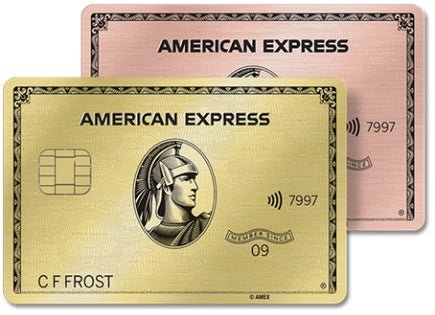
Should I get an American Express Gold card? Explore the 4X rewards on dining and groceries vs. the $325 fee to see if this premium card fits your budget.
Learn how to get the American Express Gold Card with our guide on credit score requirements, income, and the 'Apply with Confidence' tool. Apply today!