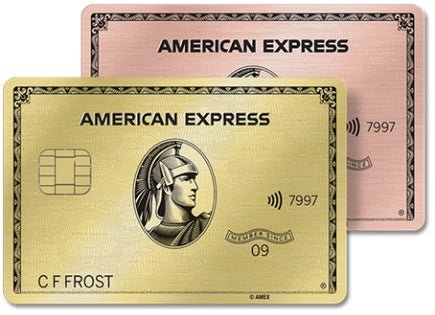
Using an American Express Gold Card for international travel is a common choice for those who want to earn rewards while exploring new countries. The short answer is yes, you can use your American Express Gold Card internationally, and it offers several features specifically designed for travelers. Unlike many entry-level cards, the American Express Gold Card does not charge foreign transaction fees. This means that when you buy dinner in Paris or a souvenir in Tokyo, you will not pay an extra 3% fee just for the privilege of using your card abroad. MoneyAtlas provides tools to help you compare how these travel benefits stack up against other premium cards in the market.
While the lack of fees is a major benefit, acceptance and currency conversion mechanics are equally important factors to consider. American Express has expanded its global network significantly, but it is not yet as universal as Visa or Mastercard in every corner of the world. This guide explains how to maximize your points while traveling, how to navigate acceptance hurdles, and why certain common merchant offers should be avoided to keep your costs low.
The Cost of International Transactions
One of the primary reasons travelers choose the American Express Gold Card is the fee structure. Many credit cards charge a fee of 1% to 3% for every purchase made outside the United States. These costs are often hidden in the transaction total, making it difficult to realize how much extra you are paying until you see your monthly statement.
Foreign Transaction Fees
The American Express Gold Card has a 0% foreign transaction fee. This applies to both physical purchases made at a merchant and online purchases made from international websites. If you spend $2,000 on a trip to Italy, a card with a 3% fee would cost you an additional $60. With the Gold Card, that $60 stays in your pocket. MoneyAtlas tracks these fee structures across hundreds of cards to help travelers find the most cost-effective options for their specific spending habits. You can also review how to evaluate credit card annual fees, interest rates, and rewards before comparing alternatives.
Currency Conversion Mechanics
When you make a purchase in a foreign currency, American Express converts that amount into U.S. dollars. The conversion happens on the day the transaction is processed, which may be different from the day you made the purchase. American Express typically uses exchange rates from customary industry sources. While these rates are usually very close to the mid-market rate you see on financial news sites, they can fluctuate daily.
Acceptance is the most common concern for American Express cardholders traveling abroad. While the company has made massive strides in expanding its reach, the reality of the merchant network varies by region.
Where Acceptance is Highest
In major international cities and tourist hubs, American Express is widely accepted. High-end hotels, international airline offices, and large luxury retailers almost always take the card. If you are traveling to Western Europe, parts of Asia, or major cities in South America, you will likely find that most restaurants and shops in tourist areas are equipped to handle American Express.
The Acceptance Gap in Small Businesses
The challenge often arises when you visit smaller boutiques, local family-owned restaurants, or street markets. Some merchants prefer Visa or Mastercard because the merchant processing fees for American Express have historically been higher. While these fee gaps are narrowing, some small business owners still choose not to support the network.
The Importance of a Backup Card
Because acceptance is not 100% guaranteed, carrying a backup card is a smart financial move. A Visa or Mastercard with no foreign transaction fees is the ideal companion to an American Express Gold Card. This ensures that you are never left without a payment method if a local shop or a remote train station kiosk does not accept your primary card. MoneyAtlas makes it easier to compare travel credit card options and find a card that complements your main travel card.
Maximizing Rewards on International Spending
The American Express Gold Card is famous for its rewards on food and travel. These benefits do not stop when you cross the border, but there are specific rules about which categories apply internationally.
The Global Dining Category
One of the strongest features of the Gold Card is the ability to earn 4x Membership Rewards points at restaurants worldwide. This is a significant advantage, as many other cards limit their highest rewards categories to U.S.-based businesses only. Whether you are eating at a bistro in Montreal or a sushi bar in Kyoto, you will typically earn 4 points for every $1 spent. For additional options, you can browse current rewards credit card rankings.
Travel and Flight Rewards
The card also earns 3x points on flights booked directly with airlines or through the American Express travel portal. This applies regardless of where the airline is based or where the flight originates. If you book a flight on Lufthansa or Emirates, you will earn the same elevated points as you would on a domestic Delta or United flight.
The Supermarket Limitation
It is important to note a key distinction regarding supermarkets. While the Gold Card offers high rewards at U.S. supermarkets, this category does not usually apply to international grocery stores. If you buy groceries in London or Mexico City, you will likely earn 1 point per $1 spent rather than the higher rate offered domestically.
Avoiding the Dynamic Currency Conversion Trap
When you are at a checkout counter abroad, the card terminal might ask you a question: "Would you like to pay in U.S. Dollars or the local currency?" This is known as Dynamic Currency Conversion (DCC). It may seem convenient to see the price in dollars, but this is a trap that costs travelers money.
How DCC Increases Your Costs
If you choose to pay in U.S. dollars, the merchant's bank chooses the exchange rate. This rate is almost always significantly worse than the rate American Express would provide. By choosing USD, you are essentially paying a hidden fee for the convenience of seeing your home currency. This markup can range from 3% to 10% or more.
Why You Should Always Choose Local Currency
Since your American Express Gold Card already handles the currency conversion for free, you should always choose to pay in the local currency, such as Euros, Yen, or Pounds. This allows American Express to perform the conversion at a fair market rate, ensuring you get the best possible value for your money.
Cash Access and ATM Fees
While credit cards are convenient, some parts of the world remain cash-reliant. You can use your American Express Gold Card to withdraw cash at an ATM, but this is generally considered a high-cost option.
Cash Advance Fees and Interest
Withdrawing money from an ATM with a credit card is treated as a cash advance. American Express typically charges a fee for this service, often 3% of the withdrawal amount or $5, whichever is greater. Furthermore, cash advances do not have a grace period. Interest begins to accrue immediately from the day of the withdrawal, often at a much higher APR than your standard purchase rate.
ATM Operator Fees
In addition to the fees from American Express, the owner of the ATM might charge its own fee. These costs can add up quickly. If you need cash while traveling, it is usually better to use a debit card from a bank that reimburses ATM fees or has a partnership with local international banks. MoneyAtlas compares various banking accounts that offer travel-friendly ATM policies to help you avoid these extra costs.
Travel Protections and Insurance Coverage
The American Express Gold Card includes several built-in protections that are particularly useful when traveling internationally. These features can save you thousands of dollars in the event of an emergency or travel mishap. For a closer look at the card’s benefits and travel features, read the full American Express Gold Card review.
Baggage Insurance Plan
If your luggage is lost, damaged, or stolen while traveling on a common carrier, such as an airplane, train, or bus, the Baggage Insurance Plan can provide coverage. This applies as long as you used your Gold Card to purchase the entire fare. It covers both carry-on and checked bags, providing an extra layer of security beyond what the airline might offer.
Car Rental Loss and Damage Insurance
When you rent a car abroad and use your Gold Card to pay for the rental, you can decline the collision damage waiver offered by the rental company. The Gold Card provides secondary coverage against theft or damage to the rental vehicle. It is important to note that this is secondary coverage, meaning it pays out after any other insurance you might have. Some countries are excluded from this coverage, so verifying the terms for your specific destination is a necessary step.
The Global Assist Hotline
For travelers facing an emergency, the Global Assist Hotline is a vital resource. If you lose your passport, need a legal referral, or require medical assistance while more than 100 miles from home, this service can help coordinate the help you need. While the hotline provides the coordination for free, you are responsible for the costs charged by third-party service providers like doctors or lawyers.
Checklist: Preparing Your Amex Gold for Travel
Preparing Your Amex Gold for Travel
1
Check your expiration date
Ensure your card will not expire while you are away. If it is close to the date, request a replacement card at least two weeks before your departure.
2
Update your contact information
Make sure your mobile number and email address are current. American Express uses these to send fraud alerts, and you need to be reachable if they flag a suspicious international transaction.
3
Download the American Express app
The app allows you to track spending in real-time, freeze your card if it is misplaced, and chat with customer service without making an expensive international phone call.
4
Verify your PIN
In some countries, especially in Europe, automated kiosks for trains or toll booths may require a PIN for credit card transactions. While most U.S. cards use "chip and signature," having a PIN set up can be a lifesaver at unattended terminals.
5
Pack a backup card
Choose a Visa or Mastercard that also offers no foreign transaction fees. Keep this card in a separate location, such as a hotel safe or a different part of your wallet, in case your primary card is lost or stolen.
Conclusion
The American Express Gold Card is a powerful tool for international travel, offering 0% foreign transaction fees and high rewards on dining and flights worldwide. While its acceptance may not be as universal as some other networks, its premium travel protections and the ability to earn 4x points on global dining make it a favorite for many travelers. By understanding the mechanics of currency conversion and avoiding the pitfalls of Dynamic Currency Conversion, you can maximize the value of every dollar spent abroad.
Before you set off on your next journey, it is worth evaluating how your current cards compare to the latest travel offers. MoneyAtlas provides comprehensive reviews and side-by-side comparison tools to help you determine if the American Express Gold Card or another travel-focused card is the best fit for your upcoming itinerary. You can compare the latest credit card options before making a decision.
FAQ
Ready to pick a card?
Compare the cards our editors rate highest right now, side by side, with the fees and rewards that matter.
Wondering what is the difference between American Express Gold and Platinum? Compare annual fees, 4X vs 5X rewards, and luxury travel perks to find your fit.