Understanding when interest applies to a credit card balance is the first step toward avoiding unnecessary costs. Most cardholders want to know the exact moment a purchase begins to accrue charges. The answer depends on how you manage your monthly payments and the specific type of transaction you make. While many assume interest is a monthly fee, the reality involves daily calculations and specific windows called grace periods. MoneyAtlas helps consumers navigate these complex terms by providing side-by-side credit card comparisons of cards with various interest structures.
This article explores the mechanics of interest timing, from the standard purchase grace period to the immediate charges triggered by cash advances. We will break down how billing cycles work, what happens when a balance carries over, and how to identify the rates that apply to your specific account. Understanding these timelines allows for more informed decisions when choosing or using a credit card.
The Role of the Credit Card Grace Period
The most important factor in determining when you are charged interest is the grace period. This is the window of time between the end of a billing cycle and the date your payment is due. Federal law requires this period to be at least 21 days if the issuer offers one.
Most credit cards offer a grace period on purchases. During this time, if you pay your statement balance in full by the due date, the issuer does not charge interest on those purchases. This essentially allows for an interest-free loan for several weeks.
The grace period disappears if you carry a balance. If you do not pay the full statement balance, you lose the grace period for the following month. This means interest will begin accruing on new purchases the moment they are made. Regaining the grace period usually requires paying the statement balance in full for one or two consecutive billing cycles.
Not all transactions have a grace period. While standard purchases usually qualify, other types of transactions are often excluded. Borrowers should check their cardholder agreement to see if their specific card omits a grace period entirely, though this is rare for most mainstream consumer cards.
While standard shopping trips often benefit from a grace period, certain credit card actions trigger interest charges the very same day. These are often the most expensive ways to use a credit card.
Cash Advances
A cash advance occurs when you use your credit card to get cash from an ATM or a bank teller. Cash advances almost never have a grace period. Interest starts accruing the minute the cash is in your hand. Additionally, cash advances often carry a higher APR than standard purchases, making them a very high-cost form of borrowing.
Balance Transfers
Moving debt from one card to another is known as a balance transfer. Unless the card offers a 0% introductory APR, interest typically starts immediately. Even with a promotional rate, there is often a balance transfer fee, which is a one-time charge usually ranging from 3% to 5% of the transferred amount. MoneyAtlas tracks these introductory offers and fees to help users compare balance transfer credit cards and see which ones offer the longest interest-free windows for debt consolidation.
Convenience Checks
Some issuers send paper checks linked to your credit card account. Using these is often treated as a cash advance or a balance transfer. Interest usually begins the moment the check is processed. Because these rarely qualify for a grace period, they are often less cost-effective than using the card for a direct purchase.
How Interest is Calculated Daily
Although the interest charge only appears on your monthly statement, the calculation happens behind the scenes every day. Most issuers use the average daily balance method to determine your costs.
The Daily Periodic Rate (DPR) is the core of the calculation. To find this, the issuer takes your Annual Percentage Rate (APR) and divides it by 365. For example, if a card has a 24% APR, the daily rate is approximately 0.0657%.
Issuers track your balance every single day. At the end of each day, the issuer looks at your balance, subtracts any payments made, and adds any new purchases if you do not have a grace period. They then apply the DPR to that daily total.
Compounding interest means you pay interest on interest. Each day, the interest calculated is added to the principal balance. The following day, the interest is calculated based on that new, slightly higher balance. Over a 30-day billing cycle, this compounding effect increases the total amount owed.
Example Interest Calculation Table
Category
Value
Annual Percentage Rate (APR)
24%
Daily Periodic Rate (APR / 365)
0.0657%
Average Daily Balance
$2,000
Days in Billing Cycle
30
Estimated Monthly Interest Charge
$39.42
Note: This is a simplified example. Actual calculations may vary based on compounding frequency and specific issuer terms. Check your statement for current rates.
Residual Interest: The "Hidden" Charge
A common point of confusion for cardholders is seeing an interest charge on a statement even after they have paid the previous balance in full. This is known as residual interest or trailing interest.
Residual interest accrues between the statement date and the payment date. If you carried a balance last month, interest was building up every day. When you receive your statement, it shows the interest calculated up to that statement date. However, it takes several days or weeks for you to make the payment. During those days, interest continues to accrue on the balance.
The following statement catches the "leftover" interest. Because the issuer did not know exactly when you would pay, they could not put the final interest amount on the original statement. It appears on the next bill instead. To stop this cycle, a cardholder may need to contact the issuer for a payoff amount that includes the trailing interest up to the expected payment date.
Not all interest on a single card is charged at the same rate. Most cards have multiple APRs, each triggered by different behaviors or transaction types.
Purchase APR: This applies to standard goods and services. It is the rate most people associate with their card.
Introductory APR: This is a promotional rate, often 0%, that lasts for a set number of months. Once this period ends, the remaining balance begins accruing interest at the standard rate.
Penalty APR: If you miss a payment or a payment is returned, the issuer may raise your interest rate significantly, sometimes to 29.99% or higher. This rate may stay in effect indefinitely or until you make several consecutive on-time payments.
Variable APR: Most modern cards use variable rates tied to an index, such as the U.S. Prime Rate. When the index goes up, your APR and the interest you are charged will likely go up as well.
The Impact of Minimum Payments on Interest
Paying only the minimum amount due is one of the fastest ways to increase the total interest you pay. The minimum payment is often just 1% to 3% of the total balance plus any interest and fees.
Minimum payments barely cover the interest charges. When a balance is high and the APR is 20% or more, a large portion of the minimum payment goes toward the interest rather than reducing the principal. This results in a debt that takes years or even decades to pay off.
Issuers must disclose the cost of minimum payments. On your monthly statement, you will find a "Minimum Payment Warning" table. This shows exactly how long it would take to pay off the current balance if you only made minimum payments and how much total interest you would pay.
How to Compare Cards Based on Interest Terms
When looking for a new credit card, the interest terms should be a primary consideration, especially if you anticipate ever carrying a balance. MoneyAtlas allows you to filter and compare cards based on their APR ranges and promotional offers.
Look for long introductory 0% APR periods. If you have a large upcoming purchase or existing debt to move, a card with a 15-month to 21-month 0% period can save hundreds of dollars in interest charges.
Check the "Go-To" rate. This is the APR that takes effect after any promotional period ends. For someone who occasionally carries a balance, a card with a lower standard APR is often better than one with high rewards but a 28% interest rate.
Understand the fee structure for non-purchase transactions. If you think you might need a cash advance or a balance transfer, compare the specific fees and APRs for those categories. Some cards also have no annual fee, which can make them easier to hold long term if you want a simple backup account. You can compare options through no annual fee credit cards if that fits your goals.
If you care more about rewards than low APR, MoneyAtlas also offers a cash back credit card comparison for readers who want a different tradeoff.
Steps to Minimize Your Interest Charges
If you are currently paying interest, several strategies can help reduce the daily accrual and total cost.
How to Minimize Your Interest Charges
1
Pay the statement balance in full
This is the only way to utilize the grace period and avoid interest on purchases entirely. If you cannot pay the full amount, pay as much as possible above the minimum.
2
Make multiple payments throughout the month
Since interest is calculated based on your average daily balance, making a payment as soon as you have the funds reduces the balance that interest is calculated on for the remainder of the cycle.
3
Track your promotional expiration dates
If you are using a 0% APR offer, set a reminder for a month before it expires. Any balance remaining the day after the promotion ends will immediately start accruing interest at the standard rate.
4
Use comparison tools to find lower rates
If your current card has a high APR, it may be worth comparing other options. MoneyAtlas reviews over 1,500 products, making it easier to see if you qualify for a card with a more competitive rate.
Interest on a credit card is not a fixed monthly fee, but a dynamic charge that depends on your payment habits and transaction types. While the grace period offers a way to avoid interest on purchases, it requires disciplined, full payments every month. For other transactions like cash advances, the "when" of interest is immediate, starting the moment the transaction occurs.
By understanding the daily nature of interest calculations and the specific triggers for different APRs, you can make more strategic choices about how and when to use your credit. If you find your current interest charges are too high, the next logical step is to compare your options. You can use the comparison tools on MoneyAtlas to find cards with lower ongoing APRs or long 0% introductory periods that fit your financial situation.
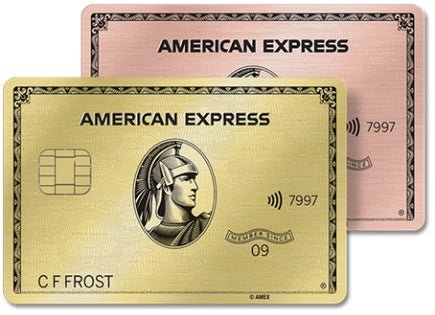
Should I get an American Express Gold card? Explore the 4X rewards on dining and groceries vs. the $325 fee to see if this premium card fits your budget.
Learn how to get the American Express Gold Card with our guide on credit score requirements, income, and the 'Apply with Confidence' tool. Apply today!