What’s the Gold American Express Card?


Introduction
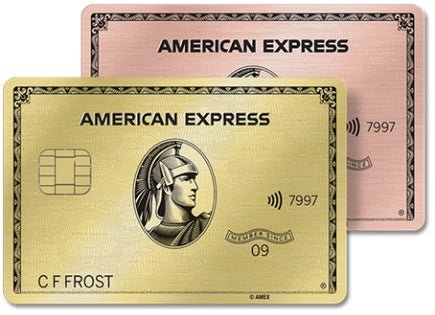
The American Express® Gold Card is a premium rewards card designed for people who spend heavily on dining and groceries. It occupies a unique middle ground in the market, sitting between entry-level cards and ultra-premium travel cards like the Platinum. For someone wondering what’s the Gold American Express Card exactly, it is best described as a lifestyle card that rewards daily spending habits rather than just luxury travel. MoneyAtlas compares hundreds of credit products, and we find that this card is often a top contender for those who can maximize its specific "coupon book" of credits to offset the annual fee. This article explores how the card works, its earning potential, and the trade-offs of its $325 annual fee to help you determine if it fits your wallet.
The Core Identity of the Amex Gold Card
The American Express Gold Card is a Membership Rewards card that emphasizes food and travel. Unlike many traditional credit cards, it is technically a charge card. This means it has no preset spending limit, and the balance is generally expected to be paid in full each month. This structure provides more flexibility for large purchases, provided the cardholder has a history of on-time payments and healthy credit habits.
The card is built around the Membership Rewards program. These points are a flexible currency that can be redeemed for travel, gift cards, or statement credits. However, the highest value is typically found when transferring these points to airline or hotel partners. We often see cardholders leverage this flexibility to book high-value international flights that would otherwise be prohibitively expensive.
How the Reward Categories Work
The primary reason people choose the Gold Card is its high earning rate on common expenses. The card features a tiered rewards system that prioritizes food-related spending above all else. Readers comparing similar products can browse MoneyAtlas rewards credit card rankings.
Dining and Restaurants
Cardholders earn 4x points at restaurants worldwide. This includes everything from fine dining and fast food to cafes and bars. In a recent update, American Express added a spending cap to this category. The 4x rate now applies to the first $50,000 in purchases per calendar year. Once that limit is reached, the earning rate drops to 1x for the remainder of the year. This cap is high enough that most households will not be impacted, but it is a factor for those who frequently entertain clients or have very large families.
U.S. Supermarkets
The card also offers 4x points at U.S. supermarkets. This applies to the first $25,000 in purchases per calendar year, then 1x. For a household spending $500 per week on groceries, this cap is hit almost exactly at the end of the year. It is important to note that this category is limited to U.S. locations. When traveling abroad, grocery purchases typically earn only 1x points. Additionally, superstores like Target and Walmart, as well as warehouse clubs like Costco, are generally excluded from the 4x supermarket category.
Travel and Hotel Earnings
Flights booked directly with airlines or through Amex Travel earn 3x points. This makes it a respectable option for airfare, though it lacks the 5x rate found on higher-end travel cards. Recently, the card was refreshed to offer 5x points on prepaid hotels booked through the American Express Travel portal. This was a significant increase from the previous 2x rate. However, booking through a portal often means forgoing hotel loyalty points or elite status benefits, which is a trade-off frequent travelers must consider. Travelers can compare alternatives through MoneyAtlas travel credit card options.
Understanding the $325 Annual Fee
The $325 annual fee is a significant upfront cost. To justify this expense, American Express includes several monthly and semi-annual credits that can technically cover the entire fee if used correctly. These credits are not automatic "cash back" but rather reimbursements for spending at specific merchants. For a broader framework, see how to evaluate credit card annual fees, interest rates, and rewards.
- $120 Dining Credit: Cardholders get up to $10 in statement credits monthly when paying with the card at Grubhub, The Cheesecake Factory, Goldbelly, Wine.com, Five Guys, and Buffalo Wild Wings. Enrollment is required.
- $120 Uber Cash: By adding the Gold Card to an Uber account, the cardholder receives $10 in Uber Cash each month for U.S. rides or Uber Eats orders.
- $100 Resy Credit: This provides up to $50 in statement credits semi-annually, January to June and July to December, at U.S. Resy restaurants.
- $84 Dunkin’ Credit: A newer addition, this offers up to $7 per month in statement credits for purchases made at U.S. Dunkin' locations.
If someone already uses these services, the effective cost of the card drops toward $0. However, if these credits force someone to spend money they otherwise wouldn't, the value proposition weakens. MoneyAtlas encourages users to look at their existing bank statements to see how often they actually visit these specific merchants before applying.
The Mechanics of a Charge Card
The Gold Card operates differently than a standard revolving credit card. While a standard credit card gives you a fixed limit, like $5,000, the Gold Card’s spending capacity is fluid. It adjusts based on your credit history, payment behavior, and financial resources.
Most charges must be paid in full each month. However, the card does include features like "Pay Over Time" and "Plan It." The Pay Over Time feature allows you to carry a balance on certain eligible purchases with interest, much like a traditional credit card. The Plan It feature lets you break up large purchases into monthly installments with a fixed fee instead of interest. While these features add flexibility, the primary benefit of the card is the rewards, and carrying a balance at high interest rates can quickly negate the value of any points earned. Readers can explore related guidance on how rewards credit card interest rates affect value.
There is no preset spending limit, but it is not unlimited. American Express monitors spending patterns closely. If a cardholder suddenly attempts a purchase that is ten times larger than their usual monthly spend, the transaction may be declined. Users can use the "Check Spending Power" tool in the mobile app to verify if a large purchase will be approved before they reach the checkout.
Membership Rewards and Redemption Value
The value of an Amex Gold Card is tied directly to how you use Membership Rewards points. These points do not expire as long as the account remains open and in good standing.
Transfer Partners
The most lucrative way to use points is transferring them to airline and hotel partners. American Express has over a dozen partners, including Delta SkyMiles, British Airways Executive Club, Air Canada Aeroplan, and Hilton Honors. Most transfers happen at a 1:1 ratio. For example, 50,000 points could be transferred to an airline partner to book a business class seat that might cost $2,000 if paid in cash. This "outsized value" is why many points enthusiasts prefer the Gold Card over simple cash-back cards.
Other Redemption Options
Points can also be used for gift cards, online shopping, or statement credits. However, these options usually provide less than 1 cent per point in value. For instance, using points to cover a charge on your statement might only yield 0.6 cents per point. We generally suggest that cardholders avoid these "low value" redemptions unless they have a surplus of points and no travel plans.
The Excise Tax Fee
When transferring points to a U.S.-based airline, American Express charges a small excise tax offset fee of $0.0006 per point, capped at $99. This is a minor but notable cost that does not apply when transferring to international airlines.
Additional Perks and Protections
Beyond the headline rewards and credits, the Gold Card includes several "under the hood" benefits that add to its overall value.
- The Hotel Collection: When booking at least two consecutive nights through Amex Travel at participating properties, cardholders get a $100 on-property credit for things like dining or spa services, plus a room upgrade if available.
- Hertz Five Star Status: Cardholders can enroll to receive mid-tier elite status with Hertz, which includes perks like vehicle upgrades and a wider selection of cars.
- Baggage Insurance Plan: If your luggage is lost, damaged, or stolen while traveling on a common carrier, like a plane or train, and the ticket was purchased with the card, you may be eligible for coverage.
- Car Rental Loss and Damage Insurance: This provides secondary coverage against theft or damage to most rental vehicles. It is important to note that this is not liability insurance.
Who Is the Gold Card Best For?
The decision to apply for this card usually comes down to two factors: spending habits and redemption goals.
The card is a strong fit for high-spending foodies. If a household spends $1,000 per month on groceries and another $500 on dining out, they would earn 72,000 points per year from those categories alone. At a conservative valuation of 1.5 cents per point, that is $1,080 in value, which easily covers the $325 fee even without the monthly credits.
It is less ideal for someone who wants simplicity. If you do not want to track monthly credits or research airline transfer partners, a flat-rate cash-back card might be a better choice. MoneyAtlas offers comparison tools that allow you to see how the Gold Card stacks up against no-annual-fee credit card alternatives, which may be more practical for lower spenders.
Comparison with Similar Cards
When evaluating what’s the Gold American Express Card in the broader market, it helps to look at its closest competitors.
Amex Gold vs. Amex Platinum
The Platinum Card is a travel-focused card with a much higher annual fee, currently $695. While the Gold Card earns 4x on food, the Platinum only earns 1x in those categories. The Platinum is better for those who want airport lounge access and 5x on flights, while the Gold is the superior "everyday" earner.
Amex Gold vs. Chase Sapphire Preferred
The Chase Sapphire Preferred comparison is a popular alternative with a lower $95 annual fee. It earns 3x on dining and has its own set of transfer partners. While the Gold Card has higher earning rates on food and groceries, the Sapphire Preferred is often seen as a better "starter" rewards card because the fee is easier to justify.
Step-by-Step: How to Decide
If you are considering the American Express Gold Card, follow these steps to see if the math works in your favor:
How to Decide If the American Express Gold Card Fits You
- 1
Audit your food spending
Look back at your bank statements for the last three months. Total your spending at restaurants and supermarkets to estimate how many points you would earn annually at the 4x rate.
- 2
Evaluate the credits
Be honest about your habits. Do you already use Uber or Grubhub? Do you live near a Dunkin' or a Resy-affiliated restaurant? Only count the credits you would use naturally.
- 3
Check your credit profile
This card generally requires "Good" to "Excellent" credit, which usually means a score in the 670+ range. American Express often allows you to see if you are pre-approved without a hard pull on your credit.
- 4
Consider the welcome offer
Look for the current sign-up bonus. These can range from 60,000 to 100,000 points. Ensure you can meet the minimum spending requirement within the first 6 months without overextending your budget.
Summary of Terms and Fees
The American Express Gold Card is a powerful financial tool for a specific type of consumer. Its high earning rates on food make it one of the fastest ways to accumulate Membership Rewards points. However, the $325 annual fee and the "coupon" nature of its credits mean it requires a bit of work to maintain.
FAQ
MoneyAtlas Staff
Articles and reviews from the MoneyAtlas editorial team — independent research on credit cards, banking, loans, insurance, and investing.
Related Articles

Which Card Is Better: American Express Gold or Platinum?
Deciding which card is better: American Express Gold or Platinum? Compare fees, 4X dining rewards, and luxury travel perks to find your perfect match.

Should I Get an American Express Gold Card? Breaking Down the Value
Should I get an American Express Gold card? Explore the 4X rewards on dining and groceries vs. the $325 fee to see if this premium card fits your budget.

How to Get the American Express Gold Card: A Practical Guide
Learn how to get the American Express Gold Card with our guide on credit score requirements, income, and the 'Apply with Confidence' tool. Apply today!