What Is the American Express Gold Card Made Of?


Introduction
Whether you are looking for the satisfying weight of a metal card or curious about the environmental impact of your wallet, the physical composition of a credit card often reflects its position in the market. The American Express Gold Card has recently seen a shift in how it is manufactured, moving toward a mix of recycled materials and specialized metal alloys. For many potential cardholders, the material is just as important as the 4X earning rates at restaurants and supermarkets.
MoneyAtlas tracks these design changes to help you understand what you are carrying and whether the physical build matches the $325 annual fee. This article covers the specific materials used in both the classic Gold and Rose Gold designs, the recent 60th anniversary refresh, and how the physical card reflects its underlying financial value. Choosing a card involves more than just looking at a metal finish. It requires understanding how these features fit into your broader spending habits. You can also review the full American Express Gold Card review before comparing its benefits with other options.
The Physical Materials: Metal vs. Recycled Plastic
The American Express Gold Card is unique because its composition depends entirely on the color you choose. While many premium cards have moved toward all-metal builds, American Express has introduced more sustainable materials for specific designs.
The classic Gold design is currently manufactured using 85% recycled plastic. This move reflects a broader industry trend toward environmental responsibility, specifically targeting the reduction of virgin plastic in the financial sector. Despite being made of recycled plastic, the card maintains a sturdy feel that is thicker and more durable than a standard debit card.
The Rose Gold version is a different story. This design is primarily made of metal, providing that characteristic weight and the audible "clink" when placed on a table. The Rose Gold finish is a copper-infused alloy that gives the card its distinctive pinkish hue. This version is often favored by those who prefer the tactile experience of a heavy card.
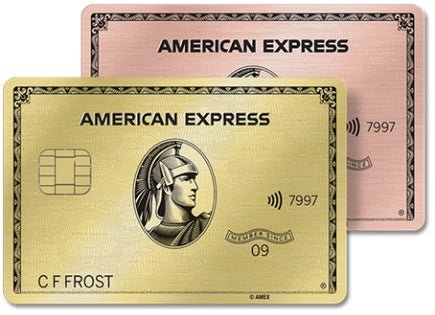
The Evolution of the Gold Card Design
For decades, the Gold Card was a standard plastic card. As the credit card industry evolved, the physical card became a status symbol. American Express eventually transitioned the card to a metal construction, but recent updates have diversified the lineup.
The reintroduction of the Rose Gold design was initially a limited-time offer, but its popularity made it a permanent fixture. During the 60th anniversary refresh in late 2024 and early 2025, the card underwent further changes. These changes were not just cosmetic. They included a higher annual fee and updated credit structures.
The choice between recycled plastic and metal allows cardholders to prioritize either environmental impact or a premium, weighted feel. It is important to note that the internal technology, including the EMV chip and contactless payment antenna, remains the same across both versions.
The Financial Weight: Is the $325 Fee Justified?
The physical weight of the Rose Gold card may feel substantial, but the $325 annual fee is the real weight you should consider. To determine if this card is worth carrying, you have to look past the metal and focus on the statement credits. For a broader framework, read how to evaluate credit card annual fees, interest rates, and rewards.
Monthly Dining and Uber Credits
The card offers $120 in annual dining credits, distributed as $10 per month. This credit is eligible for use at specific merchants like Grubhub, The Cheesecake Factory, Five Guys, and Buffalo Wild Wings. If you do not already spend money at these locations, the credit provides less value.
You also receive $120 in Uber Cash each year, also distributed as $10 monthly. This can be used for Uber rides in the U.S. or Uber Eats orders. Between these two credits alone, you can offset $240 of the $325 annual fee, provided you use them every month without fail.
Newer Lifestyle Credits
The 60th anniversary refresh added more niche credits that require active management:
- $100 Resy Credit: This is split into two $50 credits every six months. It applies to eligible purchases at U.S. Resy restaurants.
- $84 Dunkin' Credit: This provides $7 per month in statement credits for U.S. Dunkin' locations.
If you maximize all of these credits, the total value reaches $424, which more than covers the annual fee. However, someone who does not live near a Dunkin' or rarely uses Resy might find the card harder to justify. MoneyAtlas makes it easier to compare the latest credit card options against your actual spending habits before you apply.
Earning Rewards: 4X on Food and 3X on Travel
While the material of the card might start a conversation at a restaurant, the earning rates are what keep the card in your wallet. The Gold Card is specifically designed for high spenders in two major categories: dining and groceries. You can compare rewards credit cards to see how different earning structures stack up.
4X Points at Restaurants: You earn 4 Membership Rewards points for every dollar spent at restaurants worldwide. This also includes takeout and delivery services in the U.S. This rate is capped at $50,000 in purchases per calendar year. After you hit that limit, the earning rate drops to 1X.
4X Points at U.S. Supermarkets: This is one of the highest rates available for grocery shopping. It applies to the first $25,000 you spend at U.S. supermarkets each year. For a family spending $2,000 a month on groceries, this card can generate 100,000 points annually just from this category.
3X Points on Flights: When you book flights directly with airlines or through the American Express travel portal, you earn 3X points. While this is lower than the 5X offered by the Platinum Card, it still makes the Gold Card a competitive option for frequent flyers who do not want the much higher fee of the Platinum.
5X Points on Hotels: A recent update increased the earning rate on prepaid hotels booked through the Amex travel portal to 5X. Note that booking through a portal sometimes means you will not earn hotel loyalty points or elite night credits with the hotel brand directly.
How to Choose Your Design
When you apply for the card, you are presented with the choice between the classic Gold and the Rose Gold designs. If you are an existing cardholder carrying a plastic version and want to upgrade to the metal Rose Gold, you can usually request a replacement through the mobile app or website.
Switching Designs
To switch your card design, follow these steps:
How to Switch Card Designs
- 1
Log In
Log in to your American Express online account.
- 2
Account Services
Navigate to the "Account Services" section.
- 3
Card Management
Select "Card Management."
- 4
Change Card Design
Choose "Change Card Design."
You can also call the number on the back of your card to request a specific material or color. American Express typically ships these replacements within 7 to 10 business days. There is usually no fee for changing your card design to the Rose Gold metal version.
The Psychology of Metal Cards
Why does it matter what the card is made of? The industry term for this is "haptic feedback." A heavy metal card provides a physical sensation of value and durability. In a world where most transactions are digital or contactless, the physical card has become a branding tool.
Metal cards are less likely to snap in a pocket and do not wear down as quickly as plastic. However, they can be a nuisance at airport security or when you need to dispose of them. Because they contain metal, you cannot simply shred them at home. You generally have to mail them back to American Express for secure destruction and recycling.
Comparing the Gold to the Platinum
If weight is your primary concern, it is worth comparing the Gold Card to the American Express Platinum Card. The Platinum Card is also metal and generally feels slightly heavier and more rigid than the Gold. Travelers can compare travel credit cards when weighing premium rewards, annual fees, and travel benefits.
The Platinum Card carries a much higher annual fee, currently $695. It is built for the luxury traveler, offering lounge access and 5X points on airfare. The Gold Card, despite being a mix of plastic and metal depending on the design, is often considered the more practical "everyday" card for the average American because its 4X categories cover food, which is a more frequent expense than luxury travel.
Maximizing the Membership Rewards Program
The points you earn with your Gold Card, whether it is plastic or metal, are part of the Membership Rewards ecosystem. These points are most valuable when transferred to travel partners.
American Express has more than a dozen airline and hotel partners, including Delta SkyMiles, British Airways Executive Club, and Hilton Honors. When you transfer points to an airline for a high-value international flight, you can often get 2 cents or more in value per point. If you simply use the points for statement credits, you may only get 0.6 cents per point, which effectively cuts your rewards value in half.
For someone spending $10,000 a year on dining and $10,000 on groceries, the 80,000 points earned could be worth $1,600 or more when transferred strategically. This potential return is what makes the card a powerhouse, regardless of its physical composition.
Sustainability and the 85% Recycled Plastic Choice
The decision to use 85% recycled plastic for the standard Gold design is part of a larger corporate sustainability goal. Millions of credit cards are produced every year, contributing significantly to plastic waste. By using recycled materials, the company reduces its reliance on new petroleum-based plastics.
For some consumers, the recycled plastic version is actually the preferred choice. It is lighter in a wallet and represents a commitment to environmental social governance (ESG) standards. The fact that American Express offers both a high-prestige metal option and a sustainable plastic option shows they are trying to appeal to two different sets of modern consumer values.
Managing the "No Preset Spending Limit"
A common misconception about the Gold Card is that it has "no limit." In reality, it has no "preset" spending limit. Your spending power is adjusted dynamically based on your use of the card, your payment history, and your credit record.
If you are planning a very large purchase, such as a $20,000 home renovation, you can use the "Check Spending Power" tool in the app. This will tell you if the charge will be approved before you reach the checkout. This feature is consistent across both the recycled plastic and metal versions of the card. Understanding how credit card APR works can also help you evaluate the costs of carrying a balance.
Final Considerations Before Applying
Before you decide to add the American Express Gold Card to your wallet, you should evaluate your monthly budget. This card rewards high spending on food. If you spend less than $500 a month on groceries and dining combined, you might struggle to earn enough points to outweigh the annual fee.
You should also check your credit score. This card generally requires "Good" to "Excellent" credit, typically in the 670 to 850 range. If your score is lower, you might want to focus on building your credit history before applying for a premium card like this. You can review other products through the MoneyAtlas credit card reviews index.
Conclusion
The American Express Gold Card offers a rare choice in the credit card world: the ability to pick your material based on your personal priorities. Whether you value the sustainability of 85% recycled plastic or the premium feel of a metal Rose Gold alloy, the financial mechanics of the card remain identical.
With its focus on 4X rewards at restaurants and supermarkets, the card is built for those who spend heavily on food and can navigate a complex series of monthly statement credits. The $325 annual fee is a significant commitment. To make the most of it, you must be willing to manage your monthly credits and learn the intricacies of transfer partners.
Before you apply, compare the Gold Card against other premium dining and travel cards. Use MoneyAtlas's best credit card comparison to see how the 4X points on the Gold Card stack up against the cash back or travel rewards offered by other major issuers. Your decision should ultimately be based on the numbers, not just the "clink" of the metal.
FAQ
MoneyAtlas Staff
Articles and reviews from the MoneyAtlas editorial team — independent research on credit cards, banking, loans, insurance, and investing.
Related Articles

Is the American Express Gold Card Hard to Get?
Is the American Express Gold Card hard to get? Learn the credit score, income requirements, and tips to get approved for this top foodie card.

Which is Better: Platinum or Gold American Express?
Deciding which is better platinum or gold american express? Compare fees, 4X dining rewards, and luxury travel perks to find your perfect card.

Is Gold American Express Card Good: Reviewing the $325 Fee
Is gold American Express card good for your wallet? Compare the $325 annual fee against 4x food rewards and monthly credits to see if it's worth it.