What Is So Special About American Express Gold Card?


Introduction
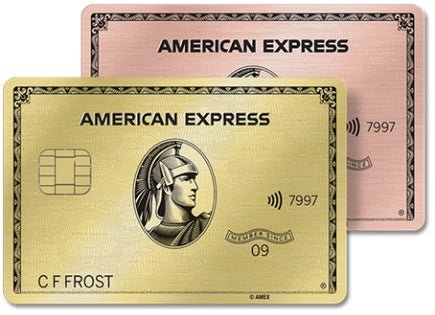
The American Express Gold Card occupies a unique space in the credit card market, sitting between entry-level rewards cards and ultra-premium travel cards. Many people wonder exactly what is so special about American Express Gold Card given its $325 annual fee and specific focus on food. While many cards offer rewards for travel, this card prioritizes the daily expenses of the average person: groceries and dining out.
MoneyAtlas tracks the shifting landscape of premium credit cards to help you determine if a card’s benefits align with your spending habits. This article explores the card’s high earning rates on food, the structure of its monthly statement credits, and how it compares to other premium options. For someone who spends heavily at supermarkets and restaurants, this card offers a distinct value proposition that few other products can match.
The Power of the 4X Multiplier
The primary reason this card is frequently cited as a top choice for food enthusiasts is its earning structure. Most rewards cards offer a higher percentage for either dining or groceries, but rarely both at such a high level. You can compare similar earning structures in MoneyAtlas’s rewards credit card rankings.
Rewards for Dining and Delivery
The card earns 4X Membership Rewards points per dollar spent at restaurants worldwide. This applies to traditional sit-down dining, fast food, and most delivery services. The 4X rate is capped at $50,000 in purchases per calendar year. After reaching that limit, the rate drops to 1X for the remainder of the year. For a household spending $1,000 per month on dining and takeout, this category alone generates 48,000 points annually.
Rewards for U.S. Supermarkets
In addition to dining, the card earns 4X points at U.S. supermarkets. This category has a separate cap of $25,000 in purchases per calendar year, after which it earns 1X. This makes it an exceptionally strong tool for families or individuals who cook at home frequently. It is important to note that superstores like Walmart or Target, and warehouse clubs like Costco or Sam's Club, typically do not count as supermarkets under American Express merchant definitions.
Travel and General Spending
While food is the focus, the card includes other earning tiers that provide versatility:
- 3X points on flights booked directly with airlines or through the Amex Travel site.
- 2X points on prepaid hotels and other eligible travel booked through the Amex Travel portal.
- 1X points on all other eligible purchases.
Understanding the "Coupon Book" Credits
Another factor that makes the American Express Gold Card special is its suite of monthly statement credits. These are designed to offset the $325 annual fee, but they require a specific lifestyle fit to be useful. Because these credits are distributed in monthly or biannual increments rather than a single lump sum, some critics refer to the card as a "coupon book." For a broader look at this type of calculation, read how to evaluate credit card annual fees, interest rates, and rewards.
Uber Cash Credits
Cardholders receive up to $10 in monthly Uber Cash, totaling up to $120 per year. This can be used for Uber rides in the U.S. or for Uber Eats orders. To receive this benefit, the card must be added to the Uber app, and the credit must be used within the month it is issued, as it does not roll over.
The Dining Credit
There is a separate $120 annual dining credit, also distributed as $10 per month. This credit is valid only at specific participating partners. As of recent updates, these include:
- Grubhub, including Seamless
- The Cheesecake Factory
- Five Guys
- Buffalo Wild Wings
- Wonder
Enrollment is required through the American Express account dashboard to activate this benefit. Like the Uber credit, this is a use-it-or-lose-it monthly perk.
Resy and Dunkin' Credits
Recent refreshes to the card added new layers of credits. Cardholders can receive up to $100 in annual Resy credits, which are split into two $50 statement credits, one for each half of the year. These apply when you use your card at U.S. restaurants that are part of the Resy platform. Additionally, there is an up to $84 annual Dunkin' credit, issued as $7 per month for purchases at U.S. Dunkin' locations.
Is the $325 Annual Fee Worth It?
Calculating the value of this card requires an honest look at your existing habits. If someone already spends $10 a month on Uber and $10 a month at Grubhub, the card’s effective cost drops significantly.
The Net Effective Fee
If a cardholder maximizes all available credits:
- $120 Uber Cash
- $120 Dining Credit
- $100 Resy Credit
- $84 Dunkin' Credit
The total potential value is $424 per year. Since the annual fee is $325, a person who fully uses these credits is essentially being paid $99 per year to hold the card, before even considering the points earned from spending.
However, if someone does not live near a Dunkin' or never uses delivery services, those credits provide zero value. In that case, the $325 fee must be justified solely by the 4X points earned on food. MoneyAtlas provides comparison tools that let you see how these credits stack up against cards with lower fees but fewer perks. Start with the full American Express Gold Card review.
Value of Membership Rewards Points
The points earned are American Express Membership Rewards, which are often considered more valuable than simple cash back. These points can be transferred to over 20 airline and hotel partners, such as Delta Air Lines, British Airways, and Hilton. When used for high-value travel redemptions, these points can sometimes be worth 2 cents or more each.
Travel Benefits and Protections
While it is marketed as a "lifestyle" card, it still carries several features that make it useful for travelers. This is part of what makes the card special: it performs like a premium travel card during a trip while earning like a grocery card at home.
No Foreign Transaction Fees
Many mid-tier cards charge a 3% fee on purchases made outside the United States. The American Express Gold Card has no foreign transaction fees. This makes it a reliable companion for international dining, especially since the 4X restaurant multiplier applies worldwide.
The Hotel Collection
When you book a stay of at least two consecutive nights through the American Express Hotel Collection, you receive a $100 experience credit to use on property for things like dining or spa services. You may also be eligible for a room upgrade upon arrival, depending on availability.
Protections and Insurances
The card includes several built-in protections that provide peace of mind:
- Trip Delay Insurance: If a round-trip flight is delayed by more than 12 hours for a covered reason, you can be reimbursed for essential expenses like meals or lodging, up to $300 per trip.
- Baggage Insurance Plan: This covers lost, damaged, or stolen baggage when the entire fare is charged to the card. It typically provides up to $1,250 for carry-on bags and $500 for checked bags.
- Global Assist Hotline: When traveling more than 100 miles from home, you have access to 24/7 medical, legal, and financial coordination services.
Comparing the Gold Card to Other Options
To understand what makes the Gold card special, it helps to see how it sits next to its closest competitors. You can use MoneyAtlas’s best credit card comparison to see these details side by side.
Gold vs. Platinum
The American Express Platinum Card has a much higher annual fee, currently $695, and focuses heavily on luxury travel perks like lounge access and hotel elite status. The Gold card is often a better fit for the "average" high spender because it earns more points on daily necessities like groceries. Many people choose to hold both cards, using the Gold for food and the Platinum for flights and lounge access.
Gold vs. Chase Sapphire Preferred
The Chase Sapphire Preferred is a popular alternative with a lower $95 annual fee. While Chase offers 3X points on dining, it does not have a permanent high-multiplier category for U.S. supermarkets. The Gold card is significantly more expensive but offers much higher earning potential for those who spend heavily on groceries.
Gold vs. Blue Cash Preferred
For those who prefer cash back over travel points, American Express offers the Blue Cash Preferred Card. It provides 6% cash back at U.S. supermarkets on up to $6,000 per year, then 1%. While 6% is higher than 4%, the Gold card has a much higher spending cap, $25,000, and the points can potentially be worth more than 1 cent each when transferred to airlines. Readers focused on cash rewards can compare leading cash back credit cards.
How to Maximize the Card's Value
If you decide the American Express Gold Card fits your budget, follow these steps to ensure you are getting the full benefit of the product.
How to Maximize the Card's Value
- 1
Enroll in Credits
Log in to your online account and navigate to the "Benefits" section. You must manually enroll in the Dining Credit and the Resy credit. The Uber Cash requires you to add your card as a payment method in the Uber app.
- 2
Use as Primary Card
To justify the fee, you should use the card for every grocery run and restaurant bill. Small purchases at coffee shops or bakeries often code as dining, helping you accumulate 4X points quickly.
- 3
Monitor Spending Caps
Keep an eye on your year-to-date spending in the supermarket and restaurant categories. If you hit the $25,000 or $50,000 caps early in the year, you may want to switch your spending to another card that offers more than 1% or 1X for the remainder of the year.
- 4
Check Amex Offers
American Express provides targeted discounts and bonus point offers for specific retailers. These "Amex Offers" can save you hundreds of dollars a year on brands you already buy, further offsetting the annual fee.
Who This Card Suits Best
Based on our editorial analysis, the American Express Gold Card is most effective for a specific type of consumer.
The "Foodie" Household
If you spend $600 to $1,000 per month on groceries and frequently order takeout via Grubhub or Uber Eats, this card is arguably the strongest earner in the market. The sheer volume of points generated by the 4X categories can fund an annual international flight for many users.
The Urban Professional
For someone living in a city who relies on Uber for transportation and uses Resy to book dinner reservations, the monthly credits feel like natural savings rather than chores. The lack of foreign transaction fees also appeals to those who take one or two international trips per year.
The "Points and Miles" Optimizer
Membership Rewards points are a "transferable currency." This means they are more protected against devaluation than points tied to a single airline. If one airline raises its prices, you can transfer your points to a different partner instead. This flexibility is a hallmark of sophisticated financial planning. For more education on credit card rewards and points strategies, browse MoneyAtlas’s credit card articles and guides.
Potential Drawbacks to Consider
Despite its popularity, the American Express Gold Card has features that may not work for everyone.
The Monthly Maintenance Requirement
The credits do not roll over. If you forget to use your $10 Uber Cash in June, it is gone on July 1. This requires a level of monthly "maintenance" that some people find annoying. If you prefer a "set it and forget it" card, a flat-rate cash back card might be more appropriate.
Merchant Acceptance
While American Express acceptance is nearly universal in the United States, it can still be slightly lower than Visa or Mastercard at small, independent "mom and pop" shops or when traveling in rural areas abroad. It is usually wise to carry a backup card from a different network.
The High Annual Fee
A $325 fee is a significant upfront cost. While the credits can offset it, you still have to pay that amount every year on your card anniversary. If your income or spending habits change and you can no longer maximize the 4X categories, the fee can become a burden.
Final Decision Framework
To determine if what is special about American Express Gold Card is special enough for you, ask yourself three questions:
- Do I spend at least $500 per month on groceries and dining combined?
- Am I already a regular customer of Uber, Grubhub, or the other listed dining partners?
- Do I prefer earning travel points that can be transferred to airlines over simple cash back?
If the answer to all three is "yes," the card’s structure is tailored to your lifestyle. We suggest using the MoneyAtlas credit card comparison tools to see how this card stacks up against other premium options before you apply. Seeing the fees, rewards, and terms side by side is the best way to ensure you are making a choice that fits your long-term financial goals.
FAQ
MoneyAtlas Staff
Articles and reviews from the MoneyAtlas editorial team — independent research on credit cards, banking, loans, insurance, and investing.
Related Articles

What the Difference Between American Express Gold and Platinum Is
Wondering what the difference between American Express Gold and Platinum is? Compare annual fees, 4X food rewards, and luxury travel perks to find your fit.

What Is the Difference Between Gold and Platinum American Express?
What is the difference between gold and platinum american express? Compare fees, 4x dining rewards, and luxury travel perks to find your perfect card.

What Is the Fee for American Express Gold Card?
Wondering what is the fee for american express gold card? It's $325 annually. Learn how to offset this cost with over $400 in credits and 4X rewards.