What Is Benefits of American Express Gold Card: A Practical Guide


Introduction
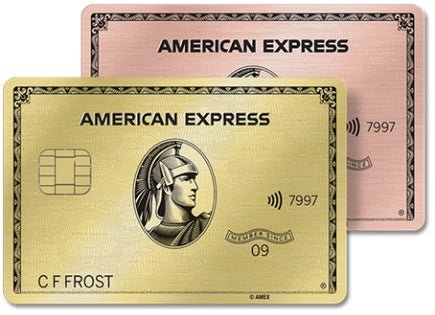
The American Express Gold Card is a premium rewards card designed primarily for people who spend significantly on dining and groceries. It occupies a middle ground in the American Express lineup, sitting between the everyday Green Card and the luxury-focused Platinum Card. Most people consider this card because of its high earning rates on food-related purchases and a suite of annual statement credits that can help offset its $325 annual fee.
MoneyAtlas tracks dozens of premium cards to see how they stack up against each other in real-world scenarios. This article covers the specific earning categories, the monthly credit system, travel protections, and the overall value proposition of the card. You can also read our full American Express Gold Card review for a product-level breakdown. Understanding these benefits is essential for anyone trying to decide if the annual cost aligns with their spending habits. The card is ultimately a tool for high-volume food spenders who can manage a specific list of monthly credits to maximize their return.
The Rewards Structure: Earning Membership Rewards Points
The core appeal of the American Express Gold Card is its ability to accumulate Membership Rewards points quickly through everyday spending. Membership Rewards is the proprietary currency of American Express, and these points are generally valued most highly when transferred to airline or hotel partners for travel bookings.
4X Points at Restaurants Worldwide
Cardmembers earn 4 points for every $1 spent at restaurants globally. This category is broad, typically covering everything from fine dining and cafes to fast food and bars. The 4X rate applies to the first $50,000 in eligible purchases per calendar year. Once that limit is reached, the earning rate drops to 1X for the remainder of the year. This high multiplier makes it one of the most competitive cards on the market for dining out or ordering in.
4X Points at U.S. Supermarkets
For many households, groceries represent one of the largest monthly expenses. The card offers 4 points per $1 spent at U.S. supermarkets on up to $25,000 in purchases per calendar year. After hitting this cap, the rate reverts to 1X. It is important to note that this benefit is restricted to supermarkets located within the United States. Wholesale clubs like Costco or Sam's Club, and superstores like Target or Walmart, generally do not code as supermarkets under these terms.
3X Points on Flights
While the card is food-focused, it includes a solid travel earning rate. Cardmembers earn 3 points per $1 on flights booked directly with airlines or through the American Express Travel website. This provides a 3% return on travel spending, which is competitive for a card that is not primarily marketed as a travel-first product.
5X Points on Prepaid Hotels
A newer addition to the card's benefits is the 5X earning rate on prepaid hotels. To receive this rate, the stay must be booked through the American Express Travel portal or the mobile app. This significantly increases the points potential for travelers who are comfortable booking through a third-party platform rather than directly with the hotel brand.
Annual Statement Credits and Monthly Perks
To justify the $325 annual fee, American Express provides several statement credits. These are not lump-sum payments but are instead distributed in monthly or semi-annual increments. If a cardmember already uses these services, the credits function like cash. If they do not, the credits may feel like a chore to manage.
The $120 Dining Credit
Cardmembers can receive up to $10 in statement credits each month when they use their card at specific dining partners. These partners currently include Grubhub, The Cheesecake Factory, Five Guys, Buffalo Wild Wings, and Wonder. Enrollment is required through the American Express account dashboard. Because this credit expires at the end of each month and does not roll over, it requires consistent monthly usage to reach the full $120 annual value.
$120 in Uber Cash
By adding the Gold Card to an Uber account, cardmembers receive $10 in Uber Cash each month. This can be used for Uber rides in the U.S. or for Uber Eats orders. Like the dining credit, this is a use-it-or-lose-it benefit. For those who already order delivery or use rideshare services at least once a month, this effectively lowers the card's net cost by another $120.
$100 Resy Credit
This credit is split into two $50 increments. Cardmembers can earn up to $50 in statement credits from January through June, and another $50 from July through December. This credit applies to purchases made at U.S. restaurants that are listed on the Resy platform. Unlike the monthly credits, the six-month window provides more flexibility for occasional diners to use the benefit.
$84 Dunkin' Credit
A newer lifestyle perk is the $7 monthly Dunkin' credit. This applies to purchases made at U.S. Dunkin' locations. While $7 may seem like a small amount, it covers a coffee or two each month. Over a full year, this adds $84 in value for regular customers.
Travel Benefits and Protections
Beyond points and credits, the card offers several travel-related perks that provide value during trips. These are designed to offer a more comfortable experience and a layer of financial protection if things go wrong.
The Hotel Collection
When cardmembers book a stay of at least two consecutive nights through The Hotel Collection via American Express Travel, they receive specific benefits. These typically include a $100 on-site credit to spend on qualifying dining, spa, or resort activities. Additionally, cardmembers may receive a room upgrade at check-in if one is available. This can provide significant value for travelers who prefer boutique or upscale hotel experiences.
Hertz Five Star Status
The Gold Card provides complimentary Hertz Five Star status. This mid-tier elite status includes benefits like 25% more points on rentals, a wider selection of vehicles in the Hertz Ultimate Choice lot, and a one-class car upgrade when available. Enrollment in the Hertz Gold Plus Rewards program and activation through the American Express portal are required to access this status.
Baggage Insurance Plan
If a traveler's luggage is lost, damaged, or stolen while traveling on a common carrier, like an airplane, train, or bus, this plan provides coverage. To be eligible, the entire fare must have been charged to the card. The coverage provides up to $1,250 for carry-on baggage and up to $500 for checked baggage. This acts as secondary coverage above what the carrier might provide.
No Foreign Transaction Fees
For those traveling internationally, the card does not charge foreign transaction fees. Many cards charge a fee of 3% on every purchase made outside the U.S., which can add up quickly. Having this fee waived makes the card a viable option for international dining, although it is important to remember that the 4X supermarket multiplier only applies to U.S. locations.
Evaluating the $325 Annual Fee
The decision to apply for this card often comes down to a simple math problem: Do the rewards and credits outweigh the $325 annual fee? MoneyAtlas suggests looking at your actual spending habits rather than your aspirational ones to find the answer. For a broader framework, read how to evaluate credit card annual fees, interest rates, and rewards.
The Break-Even Point
If you ignore the statement credits entirely, you would need to spend $8,125 per year on 4X categories, dining and groceries, to earn 32,500 points. If you value Membership Rewards points at 1 cent each, those points would exactly cover the $325 fee. However, many enthusiasts value these points at 2 cents or more when used for international travel transfers. At a 2-cent valuation, you only need to spend about $4,063 in the 4X categories to break even.
The Net Effective Fee
For a cardmember who already spends at least $10 a month on Uber and $10 a month on Grubhub, the "net" fee of the card drops from $325 to $85. If that same person also uses the Resy and Dunkin' credits, the card can technically provide more in annual value than the cost of the fee itself. This "coupon book" approach to credit cards works well for organized consumers but can lead to overspending if you buy things you wouldn't otherwise purchase just to use a credit.
How to Compare Options
Before committing to a card with a $325 fee, it is worth comparing it to other products in the same category. Our comparison tools at MoneyAtlas help you look at these cards side by side based on your specific monthly budget. You can compare leading credit card offers across rewards, fees, and other features.
- Vs. Chase Sapphire Preferred: This card has a much lower $95 annual fee. It earns 3X on dining and 2X on travel. It is a better choice for those who want a simpler rewards structure without the high fee and monthly credit management.
- Vs. American Express Platinum: The Platinum card has a much higher $695 annual fee. It is focused almost entirely on luxury travel, offering extensive lounge access and 5X on flights. If you do not spend heavily on groceries, the Platinum might be a better fit for a frequent flyer.
- Vs. Capital One Savor: This card also targets food spenders with 4% cash back on dining and entertainment. It is a cash-back card rather than a travel points card, which some users prefer for its simplicity.
MoneyAtlas makes it easier to compare these options by breaking down the "effective annual fee" based on which credits you are likely to use. When you are ready to see the current offers and terms, you can use our cash-back credit card comparison to review alternatives that emphasize straightforward rewards.
Redemptions: What Are the Points Worth?
Earning points is only half the battle. Knowing how to redeem them is what determines the actual value of the benefits.
Transfer Partners
The most valuable way to use Membership Rewards points is by transferring them to airline and hotel partners. American Express has one of the strongest partner lists in the industry, including Delta Air Lines, British Airways, Hilton, and Marriott. For example, transferring points to a partner like Air France-KLM can sometimes allow you to book a business-class flight that would otherwise cost thousands of dollars for a relatively small number of points.
Travel Portal Bookings
You can use points to book travel directly through the American Express Travel portal. In this scenario, points are typically worth 1 cent each. While this is less valuable than a strategic transfer, it offers more flexibility because you are not restricted by airline award availability.
Statement Credits and Gift Cards
You can also redeem points for gift cards or as a statement credit to cover past purchases. This is generally the least efficient way to use points. Statement credits often value points at 0.6 cents each, which is nearly a 50% loss in value compared to travel redemptions. If your goal is cash back, this card is likely not the right choice for you.
How to Apply and Qualify
American Express generally looks for applicants with good to excellent credit. This typically means a FICO score of 670 or higher, though most successful applicants have scores above 700.
The Application Process
When you apply, American Express may perform a hard credit inquiry, which can have a small, temporary impact on your credit score. However, they now offer a "Apply with Confidence" feature. This allows you to see if you are approved for the card with a soft credit pull. You only accept the hard inquiry if you are approved and choose to accept the card.
Welcome Offers
Most premium cards come with a welcome offer, which provides a large number of points after you spend a certain amount of money in the first few months. These offers vary over time. It is common to see offers ranging from 60,000 to 90,000 points after spending $6,000 or more in the first six months. These points can be worth $600 to $1,200 or more, depending on how you redeem them.
Summary of the Decision
The American Express Gold Card is a niche product that works exceptionally well for a specific type of person. It is not a "one size fits all" card.
Summary of the Decision
Pros
You spend at least $500 per month on groceries and dining.
You already use Uber and Grubhub regularly.
You prefer travel rewards over cash back.
You are comfortable managing a $325 annual fee.
Cons
You do most of your grocery shopping at Costco, Target, or Walmart.
You do not want to track monthly statement credits.
You rarely travel and would prefer simple cash back.
You find the $325 fee too high for your budget.
By using the tools at MoneyAtlas, you can input your monthly spending across categories like gas, groceries, and travel to see exactly how many points you would earn with the Gold Card compared to its competitors. Making an informed decision requires looking past the "gold" prestige and focusing on the actual math of your bank account. Readers who want to review more product-level options can browse the MoneyAtlas credit card reviews index.
FAQ
MoneyAtlas Staff
Articles and reviews from the MoneyAtlas editorial team — independent research on credit cards, banking, loans, insurance, and investing.
Related Articles

What the Difference Between American Express Gold and Platinum Is
Wondering what the difference between American Express Gold and Platinum is? Compare annual fees, 4X food rewards, and luxury travel perks to find your fit.

What Is the Difference Between Gold and Platinum American Express?
What is the difference between gold and platinum american express? Compare fees, 4x dining rewards, and luxury travel perks to find your perfect card.

What Is the Fee for American Express Gold Card?
Wondering what is the fee for american express gold card? It's $325 annually. Learn how to offset this cost with over $400 in credits and 4X rewards.