What Is a Gold American Express Card and How Does It Work?


Introduction
Deciding whether to add a premium card to your wallet often involves a simple math problem: do the rewards you earn justify the annual fee you pay? The American Express® Gold Card is one of the most recognizable financial products in the US, designed primarily for people who spend heavily on dining and groceries. It occupies a middle ground between entry-level rewards cards and ultra-premium travel cards.
MoneyAtlas analyzes the features, costs, and mechanics of this card to help you determine if it fits your spending habits. This guide breaks down the earning structure, the specific requirements of its many monthly credits, and how the "no preset spending limit" works in practice.
Defining the American Express Gold Card
The Gold Card is a rewards card that earns Membership Rewards points. While many people refer to it as a credit card, it technically functions as a charge card with flexible payment features. Historically, charge cards required the balance to be paid in full every month. While that remains the standard expectation, the Gold Card includes features like Pay Over Time, which allows users to carry a balance on certain purchases with interest.
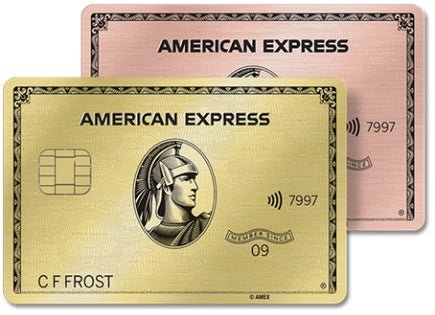
The card is currently issued in a signature gold metal finish, though optional rose gold and limited-edition designs are often available. It targets a specific demographic: "foodies" and frequent travelers who want a high return on daily essentials like groceries and restaurant meals.
How the Rewards Structure Works
The primary appeal of this card is its earning potential in specific categories. Most rewards cards offer a flat 1% or 2% back, but the Gold Card uses a tiered system that heavily favors food-related spending.
Dining and Restaurants
The card earns 4X points per dollar spent at restaurants worldwide. This category includes not just sit-down dining, but also takeout and delivery in the US. There is a cap of $50,000 in eligible purchases per calendar year for this 4X rate. Once that limit is reached, the earning rate drops to 1X for the remainder of the year.
US Supermarkets
For household grocery spending, the card earns 4X points per dollar at US supermarkets. This is capped at $25,000 in purchases per calendar year. After hitting that $25,000 ceiling, the rate reverts to 1X. Note that this category specifically excludes "superstores" like Target or Walmart and wholesale clubs like Costco or Sam’s Club.
Travel and Other Purchases
The card offers 3X points on flights booked directly with airlines or through the Amex Travel portal. It also offers 2X points on certain travel bookings like car rentals and cruises made through the portal. All other eligible purchases earn 1X point per dollar spent.
Understanding the $325 Annual Fee
As of a recent refresh, the annual fee for the Gold Card is $325. This fee is charged on your card anniversary date and appears on your monthly statement. For many users, this is a significant upfront cost. To determine if the fee makes sense, you must evaluate the statement credits that come with the card.
If you use every credit provided, the total value exceeds $400, which effectively "pays" for the annual fee. However, these credits are not a lump sum of cash. They are distributed monthly or semi-annually and require you to spend money at specific merchants.
The Mechanics of Statement Credits
Maximizing the value of the Gold Card requires active management. Most of the credits follow a "use it or lose it" model. If you do not use your $10 Uber Cash in January, it does not roll over to February.
The $120 Dining Credit
This credit provides up to $10 per month in statement credits when you use the card at specific partners. These currently include Grubhub (including Seamless), The Cheesecake Factory, Buffalo Wild Wings, Five Guys, and Wonder. Enrollment is required through your online account before you can receive the credit.
The $120 Uber Cash
When you add your Gold Card to your Uber account, you automatically receive $10 in Uber Cash each month. This can be used for Uber rides in the US or Uber Eats orders. You must select the Gold Card as the payment method for the transaction to use the credit.
The $100 Resy Credit
This is a newer addition to the card. It provides up to $100 in statement credits each calendar year for eligible purchases at US Resy restaurants. The credit is split into two parts: up to $50 from January through June, and another $50 from July through December.
The $84 Dunkin' Credit
Cardholders can receive up to $7 per month in statement credits for purchases made at US Dunkin' locations. Like the dining credit, this requires enrollment in the card benefits dashboard.
Charge Card Features and Spending Power
A common point of confusion is how the Gold Card handles spending limits. Unlike a traditional credit card with a fixed $5,000 or $10,000 limit, the Gold Card has no preset spending limit.
This does not mean your spending is unlimited. Instead, your "spending power" is flexible and adjusts based on your payment history, credit record, and financial resources known to the issuer. If you plan to make a very large purchase, you can use the "Check Spending Power" tool in the mobile app to see if the transaction will be approved before you swipe.
Payment Options
While the card is designed to be paid in full each month to avoid interest, it offers two features for those who need more flexibility:
- Pay Over Time: This allows you to carry a balance on eligible purchases of $100 or more, with interest. The interest rate is a variable APR.
- Plan It: This feature lets you move large purchases into a monthly payment plan with a fixed monthly fee rather than traditional interest.
For more context on how rates affect card costs, read what is the APR for American Express credit cards.
Redeeming Membership Rewards Points
The points you earn with a Gold Card are part of the Membership Rewards program. How you choose to redeem these points determines their actual value.
Transfer Partners
The most effective way to use points is often transferring them to airline and hotel partners. American Express has roughly 20 partners, including Delta SkyMiles, Air Canada Aeroplan, and British Airways Executive Club. Most transfers happen at a 1:1 ratio. For travelers willing to research "sweet spot" redemptions, points can sometimes be worth 2 cents each or more.
Other Redemption Options
You can also use points for:
- Booking Travel: Points can be used to book flights through the Amex Travel portal, typically at a value of 1 cent per point.
- Gift Cards: Value varies but is often around 0.7 cents to 1 cent per point.
- Covering Charges: You can use points to pay for specific charges on your statement, but this usually offers a lower value of 0.6 cents per point.
- Checkout at Retailers: Using points to pay at Amazon or other retailers generally offers the lowest value and is rarely the most efficient choice.
Travel Protections and Lifestyle Perks
Beyond the earning rates, the Gold Card includes several protections that are standard for mid-tier premium cards.
The Hotel Collection
When you book a stay of at least two nights through the Amex Travel portal at participating "Hotel Collection" properties, you receive a $100 on-property credit. This can typically be used for dining, spa services, or resort activities. You may also receive a room upgrade upon arrival if one is available.
Baggage and Rental Car Insurance
The card provides a Baggage Insurance Plan that covers lost, damaged, or stolen carry-on and checked luggage when you pay for the entire fare with your card. It also offers secondary Car Rental Loss and Damage Insurance, which can cover theft or damage to most rental vehicles.
No Foreign Transaction Fees
For those who travel internationally, the Gold Card does not charge a fee on purchases made outside the US. This can save you roughly 3% compared to cards that do charge these fees.
For a broader look at travel-focused rewards products, compare the best credit cards on MoneyAtlas.
Comparing the Gold Card to Other Options
Before applying, it is helpful to compare the Gold Card against its closest competitors. Many people look at the Gold Card alongside the American Express® Platinum Card or the Chase Sapphire Reserve®.
The Platinum Card focuses almost entirely on luxury travel, offering lounge access and high-end hotel status, but its annual fee is significantly higher. The Gold Card is often the better "daily driver" because it earns more on common expenses like groceries.
If you prefer a simpler rewards structure, a card that earns a flat 2% cash back on everything might be easier to manage. The Gold Card requires you to track monthly credits and understand transfer partners to get the full $325 in value. MoneyAtlas provides side-by-side comparison tools to help you see how these different fee structures and earning rates play out based on your specific monthly budget.
The American Express Gold Card review provides a closer look at the card's rewards, fees, and benefits.
Who Is the Gold Card Suited For?
This card is generally suited for someone with a good to excellent credit score, typically in the 670+ range. Beyond credit health, it suits a specific spending profile.
Who Is the Gold Card Suited For?
- 1
Review your supermarket spending
If you spend at least $500 per month at US supermarkets, you are earning 2,000 points monthly, or 24,000 points annually, just on groceries.
- 2
Check your dining habits
If you frequently use Grubhub or eat at the partner restaurants, the $120 dining credit is essentially cash in your pocket.
- 3
Evaluate your travel goals
If you want to fly internationally using points, the transfer partners attached to this card provide significant leverage.
If you rarely cook at home and prefer shopping at Costco, or if you find monthly credit tracking to be a chore, the Gold Card may not provide enough value to justify the $325 cost.
For more information about qualification factors, read the guide to American Express approval requirements.
Summary of Costs and Terms
When comparing cards, always look at the current rates and fees provided by the issuer. The variable APR for Pay Over Time features will depend on your creditworthiness.
- Annual Fee: $325.
- Additional Cards: You can add up to five additional users for no annual fee. The sixth card and any thereafter cost $35 each per year.
- Late Fees: Up to $40.
- Foreign Transaction Fees: None.
To compare other card terms and fee structures, browse the MoneyAtlas credit card comparison.
Conclusion
The American Express® Gold Card remains a powerhouse for food-related rewards, but it is a "high-maintenance" card. To make the $325 annual fee work in your favor, you need to be an active participant in its ecosystem. This means enrolling in benefits, remembering to use your Uber and dining credits every month, and learning how to maximize Membership Rewards points through travel partners.
If your lifestyle already includes regular grocery trips and restaurant meals, the 4X earning rate can build a significant points balance quickly. Before you decide, use the American Express Gold Card review and comparison tools to see how the Gold Card stacks up against other premium travel and dining cards. Comparing options side-by-side is the most reliable way to ensure your chosen card aligns with your actual spending patterns.
FAQ
MoneyAtlas Staff
Articles and reviews from the MoneyAtlas editorial team — independent research on credit cards, banking, loans, insurance, and investing.
Related Articles

How to Cancel Your American Express Gold Card
Learn how to cancel American Express Gold card accounts without losing points. Step-by-step guide on chat cancellation, fee refunds, and credit score impact.

Which Is Better American Express Gold or Platinum?
Which is better American Express Gold or Platinum? Compare rewards, fees, and travel perks to find the right card for your lifestyle and spending.

What Is the Limit for American Express Gold Card?
Wondering what is the limit for American Express Gold card? Learn how the No Preset Spending Limit works and how to check your dynamic spending power.