What Are the Benefits of a Gold American Express Card?


Introduction
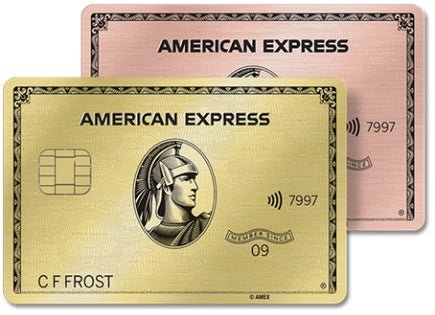
Choosing a premium rewards card often involves a simple math problem: do the annual perks outweigh the cost of membership? For the American Express Gold Card, the answer typically depends on two specific spending habits: how much someone spends on food and how often they travel. This card occupies a unique middle ground between basic cash-back cards and high-end luxury travel cards. MoneyAtlas analyzes these features to help consumers determine if the $325 annual fee aligns with their lifestyle. We cover the point-earning structure, the monthly statement credits, and the travel protections that define this product. The American Express Gold Card is primarily designed for people who want to turn their largest monthly expenses, groceries and dining, into high-value travel rewards.
High-Value Reward Categories for Food and Travel
The most significant advantage of the American Express Gold Card is its "multiplier" system. Most standard credit cards offer 1% to 2% back on purchases, but this card focuses heavily on daily essentials.
Earning 4X Points on Dining and Groceries
For many households, food is the second-largest expense after housing. The Gold Card targets this by offering 4X Membership Rewards points at restaurants worldwide. This category includes everything from fine dining to fast food and takeout. The 4X rate applies to up to $50,000 in purchases per calendar year, after which the rate drops to 1X.
The card also earns 4X points at US supermarkets on up to $25,000 in purchases per calendar year. For a family spending $800 a month on groceries, this results in 38,400 points annually from just one category. Note that "supermarkets" generally excludes "superstores" like Walmart or Target and warehouse clubs like Costco.
Travel Rewards and Direct Bookings
While food is the headline feature, the card offers 3X points on flights. These points are earned when booking directly with airlines or through the American Express Travel website. This is a competitive rate for frequent flyers who prefer to book directly with the carrier to maintain more control over their reservations. All other eligible purchases earn 1X points per dollar spent.
For a broader look at travel-focused rewards products, compare the current travel credit card options.
Monthly Statement Credits to Offset the Annual Fee
The American Express Gold Card has a $325 annual fee, which can seem steep compared to cards with no annual fee. However, the card provides several monthly and semi-annual credits that, if used fully, total up to $424 in value.
Uber Cash and Dining Credits
Cardholders receive up to $120 in Uber Cash annually, distributed as $10 monthly credits. This can be used for Uber rides or Uber Eats orders in the US. To receive this benefit, the card must be added to the Uber app.
Similarly, there is a $120 annual dining credit. This is also split into $10 monthly increments. This credit is specific to certain partners, including Grubhub, The Cheesecake Factory, Five Guys, and Buffalo Wild Wings. It is important to remember that these credits are "use it or lose it." They do not roll over to the next month.
Resy and Dunkin' Credits
Recent updates to the card introduced two more credits. The Resy credit offers up to $100 annually, provided as two $50 statement credits, one from January through June, and one from July through December. This applies to any US restaurant that is part of the Resy platform.
The Dunkin' credit provides up to $84 per year, delivered as $7 monthly statement credits for purchases at US Dunkin' locations. For someone who already visits these establishments, these credits act as a direct reduction of the annual cost.
For details on rewards rates, credits, fees, and eligibility considerations, read the American Express Gold Card review.
The Value of Membership Rewards Points
Unlike cash-back cards where 1 point equals 1 cent, Membership Rewards points have variable value. This flexibility is one of the most cited benefits for travel enthusiasts.
Transfer Partners
The most effective way to use points is often by transferring them to airline and hotel partners. American Express has a wide network of partners, including Delta Air Lines, British Airways, and Marriott Bonvoy. In many cases, points transfer at a 1:1 ratio. This allows cardholders to book international business class flights or luxury hotel stays that might otherwise cost thousands of dollars.
Other Redemption Options
Points can also be used for:
- Booking travel through the American Express Travel portal.
- Gift cards for various retailers.
- Statement credits to cover recent purchases.
- Checking out with points at retailers like Amazon.
It is worth noting that using points for statement credits or Amazon purchases typically yields a lower value, often 0.6 to 0.7 cents per point, compared to travel transfers. MoneyAtlas comparison tools can help you see how these points stack up against other reward currencies. You can also browse rewards credit card comparisons to review different points and redemption structures.
Travel Protections and Lifestyle Perks
Beyond the points and credits, the Gold Card includes several protections that are useful during transit.
The Hotel Collection
When booking a stay of at least two consecutive nights through American Express Travel at participating properties in The Hotel Collection, cardholders receive specific perks. These usually include a $100 experience credit for use on-site, such as dining or spa services, and a room upgrade upon arrival, if available.
Insurance and Car Rental Benefits
The card provides a layer of security through various insurance products. For instance, the Baggage Insurance Plan can cover up to $1,250 for carry-on bags and up to $500 for checked bags if they are lost, stolen, or damaged during a trip on a common carrier.
Additionally, cardholders are eligible for Hertz Five Star status. This mid-tier status includes benefits like a 25% point bonus on rentals and one-class upgrades when available. These perks add convenience and potential savings for those who rent vehicles frequently for business or leisure.
Evaluating the $325 Annual Fee
The decision to apply for this card hinges on whether the benefits outweigh the $325 price tag. It is not a card for everyone, and it requires a specific spending profile to be profitable.
The Break-Even Point
To determine the break-even point, a consumer should first subtract the value of the credits they are certain they will use. If someone already uses Uber and Grubhub twice a month, the $240 in those credits brings the effective fee down to $85.
To cover that remaining $85 using points, assuming a 1 cent per point value, a cardholder would need to earn 8,500 points. Since the card earns 4X on food, that requires spending roughly $2,125 per year on dining and groceries. Most American households exceed this amount easily, making the card "profitable" for many.
Who Should Reconsider?
- Low Spenders: If your monthly grocery and dining bill is very low, a no-annual-fee cash-back card might be more efficient.
- Non-Travelers: The highest value of these points comes from travel transfers. If you only want cash back, the redemption rates here are not the most competitive.
- Inconvenient Credits: If there are no Dunkin' locations or Resy restaurants nearby, those credits lose their value.
Consumers seeking a simpler rewards structure can compare cash-back credit cards with premium points cards before deciding.
How to Compare Options Before Applying
Before applying for a premium card, it is helpful to look at the broader market. The credit card landscape is competitive, and other cards may offer similar benefits with different fee structures.
How to Compare Options Before Applying
- 1
Audit your spending
Review the last three months of bank statements to categorize your spending. Look specifically at "Supermarkets," "Dining," and "Travel."
- 2
Check your credit score
Premium cards like the Gold Card generally require good to excellent credit, typically a score of 670 or higher. Knowing where you stand can prevent unnecessary hard inquiries on your report.
- 3
Use a comparison tool
MoneyAtlas makes it easier to compare side by side the earn rates, fees, and welcome offers of various cards. This helps ensure that the specific benefits of the Gold Card actually beat out the competition for your specific budget. Start with the best credit card comparisons.
- 4
Verify the current welcome offer
Welcome bonuses change frequently. They often require spending a certain amount, such as $6,000, within the first few months of account opening. Ensure you can meet this spending requirement without overextending your finances.
Important Fine Print and Fees
While the benefits are numerous, there are costs and terms to keep in mind.
No Foreign Transaction Fees
One significant benefit for international travelers is the lack of foreign transaction fees. Many cards charge 3% on every purchase made outside the US, which can add up quickly. The Gold Card avoids this, making it a reliable choice for international dining.
No Pre-Set Spending Limit
Unlike traditional credit cards with a hard credit limit, the Gold Card has no pre-set spending limit. This does not mean unlimited spending. Instead, the amount a cardholder can spend adjusts based on their purchase, payment, and credit history. This can be helpful for making large purchases, but it requires disciplined financial management.
Annual Percentage Rate (APR)
While this is a "Pay in Full" card by design, American Express offers a "Pay Over Time" feature. This allows cardholders to carry a balance on certain purchases with interest. The APR for Pay Over Time is variable and based on market rates. As with any revolving debt, carrying a balance can quickly lead to interest charges that negate the value of any points earned.
Readers who want to understand how interest affects a carried balance can review how credit card interest is charged.
Summary of the Best Benefits
The American Express Gold Card remains a favorite for a specific reason: it rewards the things people do every day. By offering high multipliers on essential categories like food, it allows cardholders to accumulate points quickly.
- Top-Tier Food Rewards: 4X points at restaurants and US supermarkets is one of the highest rates available.
- Substantial Credits: Up to $424 in annual credits for dining, Uber, Resy, and Dunkin'.
- Travel Flexibility: Access to a wide range of airline and hotel transfer partners.
- Premium Perks: Benefits like The Hotel Collection and baggage insurance add security to trips.
For those who want to see how this card compares to other premium options, exploring the detailed MoneyAtlas credit card reviews is a practical next step. Comparing the long-term value of various reward programs can help you decide which card deserves a permanent spot in your wallet.
FAQ
MoneyAtlas Staff
Articles and reviews from the MoneyAtlas editorial team — independent research on credit cards, banking, loans, insurance, and investing.
Related Articles

Is the American Express Gold Card Hard to Get?
Is the American Express Gold Card hard to get? Learn the credit score, income requirements, and tips to get approved for this top foodie card.

Which is Better: Platinum or Gold American Express?
Deciding which is better platinum or gold american express? Compare fees, 4X dining rewards, and luxury travel perks to find your perfect card.

Is Gold American Express Card Good: Reviewing the $325 Fee
Is gold American Express card good for your wallet? Compare the $325 annual fee against 4x food rewards and monthly credits to see if it's worth it.