Understanding the American Express Gold Card Spending Limit


Introduction
Determining the exact limit on an American Express Gold Card is a common point of confusion for new applicants because the card does not function like a traditional credit card. Most credit cards come with a fixed, static credit limit that remains the same until the issuer decides to increase it. The American Express Gold Card, however, features No Preset Spending Limit. This does not mean the card allows for unlimited spending. Instead, it means your purchasing power is dynamic and adjusts based on your financial behavior.
MoneyAtlas tracks dozens of premium card offerings to help consumers understand how these non-traditional structures affect their purchasing power. You can also review our American Express Gold Card analysis to compare its rewards, fees, and benefits. This article breaks down how the "No Preset Spending Limit" model works, the factors that determine your individual spending capacity, and how the Pay Over Time feature introduces a separate, fixed limit for certain purchases. Understanding these mechanics is the best way to avoid declined transactions and manage your cash flow effectively.
How No Preset Spending Limit Works
In the world of personal finance, the American Express Gold Card is often categorized as a charge card, though it has evolved to include features of a traditional credit card. The defining characteristic of a charge card is the No Preset Spending Limit (NPSL). Unlike a standard credit card that might give you a $5,000 or $10,000 limit from day one, an NPSL card does not have a public facing cap.
Your spending power on this card is "dynamic." This means American Express evaluates your account on a rolling basis. If you consistently spend $2,000 a month and pay it off in full, the issuer becomes comfortable with that level of activity. If you suddenly try to make a $15,000 purchase, the issuer may approve or decline it based on your current standing and known financial resources.
The Dynamic Spending Model
The dynamic nature of the limit means your purchasing power can actually increase or decrease without a formal "credit limit increase" request. If your income increases or your credit score improves, the internal limit American Express sets for you might grow behind the scenes. Conversely, if you miss a payment or your credit score drops significantly, the issuer might restrict your spending power to mitigate their risk.
The "Check Spending Power" Tool
Because there is no fixed number to look at on your monthly statement, American Express provides a "Check Spending Power" tool within its mobile app and website. This tool allows you to enter a specific dollar amount for a planned purchase to see if it will be approved.
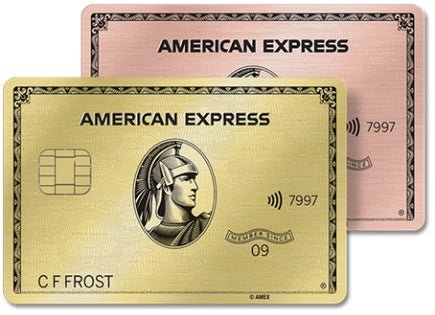
Factors That Determine Your Spending Power
Since the issuer does not provide a fixed limit, they use a sophisticated algorithm to decide how much you can charge at any given time. Several key pillars influence this decision.
Payment History
Your history of paying the issuer is the most influential factor. For a charge card, paying in full every month is the expected behavior. If you have a long history of on-time payments with American Express across multiple products, you are likely to have a higher "internal" limit. Even one late payment can cause a significant, immediate reduction in your spending power.
Spending Patterns
The issuer looks for consistency. If you use the card for your daily groceries, gas, and dining, and those expenses stay within a predictable range, your spending power remains stable. Rapid, uncharacteristic spikes in spending can sometimes trigger a decline as a fraud prevention measure or a credit risk concern.
Credit Record and Financial Resources
American Express periodically monitors your personal credit report. While they do not do a "hard pull" every month, they do observe your overall debt levels and credit score. If you suddenly take out several new loans or max out other credit cards, the issuer may lower your Gold Card spending power. They also consider the income and financial assets you disclosed on your application.
Understanding the Pay Over Time Limit
While the American Express Gold Card is primarily a charge card where the balance is due in full each month, it includes a feature called "Pay Over Time." This is where the card starts to look more like a traditional credit card.
How Pay Over Time Differs
When you are approved for the card, you are typically assigned a "Pay Over Time Limit." This is a fixed dollar amount, such as $5,000 or $10,000. For eligible purchases, you have the option to carry a balance from month to month rather than paying in full, provided you stay under this specific limit.
- Charge Purchases: These have no preset limit and must be paid in full by the due date.
- Pay Over Time Purchases: These can be carried over like a standard credit card balance, but they accrue interest at a variable APR.
Interest and Fees
It is important to understand that while the "No Preset Spending Limit" portion of your card does not charge interest because you pay it in full, the "Pay Over Time" portion does. The interest rate is a variable APR that is determined based on your creditworthiness at the time of application. As of recent data, these rates are often competitive with other rewards cards, but they can be high, often ranging from 21% to 29% or more.
For additional context on variable APRs and card pricing, read how credit card interest rates can change.
American Express Gold vs. Traditional Credit Cards
To understand why someone might choose the Gold Card over a traditional credit card, it helps to compare the limit structures side by side. MoneyAtlas researchers find that consumers often prefer the Gold Card for large business or travel expenses that might otherwise "max out" a traditional card and hurt their credit score.
You can compare highly rated credit cards when weighing flexible spending against traditional fixed-limit structures.
The Credit Score Impact
One of the most significant differences involves how these cards report to credit bureaus like Equifax, Experian, and TransUnion. Because the Gold Card does not have a "preset limit," it does not have a traditional credit utilization ratio.
On a standard card, if you have a $10,000 limit and spend $9,000, your 90% utilization could lower your credit score. On the Gold Card, since there is no $10,000 cap to compare the balance against, that $9,000 balance usually does not factor into your utilization percentage in the same way. This makes the card a valuable tool for those who need to make large purchases without temporarily damaging their credit score.
Earning Limits and Earning Caps
While the spending limit is flexible, the rewards you can earn on that spending sometimes have hard ceilings. This is a different kind of "limit" that cardholders must navigate.
Restaurant Rewards
The Gold Card is famous for its 4X Membership Rewards points at restaurants. Currently, this applies to up to $50,000 in purchases per calendar year. Once you hit that $50,000 limit, you earn 1X points for the remainder of the year.
U.S. Supermarket Rewards
Similarly, the card offers 4X points at U.S. supermarkets. This is capped at $25,000 in purchases per calendar year. After you spend $25,000 at the grocery store, your earning rate drops to 1X.
Other Earning Rates
- Flights: 3X points on flights booked directly with airlines or on the Amex Travel portal. There is currently no stated cap on these earnings.
- Hotels: 5X points on prepaid hotels booked through the Amex Travel portal.
- General Spending: 1X points on all other eligible purchases.
Strategies to Increase Your Spending Power
Strategies to Increase Your Spending Power
- 1
Establish a Clean Payment History
Pay your bill several days before the due date. Better yet, make multiple payments throughout the month. This shows the issuer that you have a consistent cash flow and are not living on credit.
- 2
Use the Card Regularly
If you only use the card once every three months, the issuer has very little data to go on. Using the card for everyday expenses like groceries and dining builds a profile of your "normal" spending, which allows the issuer to safely expand your spending power.
- 3
Update Your Income
If you get a raise or your household income increases, update your profile on the American Express website. The issuer uses your income to set the upper bounds of your "shadow" limit.
- 4
Manage Your Other Debt
Since the issuer monitors your overall credit health, keeping balances low on your other credit cards can indirectly increase your Gold Card limit. A lower debt to income ratio makes you a more attractive borrower.
Credit Score Requirements for Approval
To get any limit on the American Express Gold Card, you first need to be approved. This card is generally intended for consumers with "Good" to "Excellent" credit.
In the United States, this typically means a FICO score of 670 or higher. However, most successful applicants have scores in the 700+ range. Beyond the score, the issuer looks for:
- At least one year of credit history.
- No recent bankruptcies or significant late payments.
- A stable income that can support the $325 annual fee and the monthly spending.
If you are unsure where you stand, MoneyAtlas provides tools to compare cards based on your current credit score range, helping you avoid unnecessary "hard pulls" on your credit report. You can also review American Express approval requirements alongside other credit card education resources.
The Role of the Annual Fee in Your Spending
The American Express Gold Card has an annual fee of $325. While this is not a "limit" in the traditional sense, it is a cost that must be factored into the overall value of the card. To "break even" on this fee, cardholders often look to the various credits provided:
- $120 Dining Credit: $10 per month for use at specific partners like Grubhub and The Cheesecake Factory.
- $120 Uber Cash: $10 per month for Uber rides or Uber Eats in the U.S.
- $100 Resy Credit: $50 semi-annually for use at participating restaurants.
- $84 Dunkin' Credit: $7 per month at U.S. Dunkin' locations.
If you use these credits, the effective "cost" of the card drops significantly. However, if these credits go unused, the $325 fee can be a steep price for a card with a flexible limit.
Readers comparing premium benefits against lower-cost options can browse no-annual-fee credit cards.
Handling a Declined Transaction
Even with "No Preset Spending Limit," a transaction can be declined. This usually happens for one of three reasons:
- Suspicious Activity: The purchase is far outside your normal geographic location or spending habits.
- Internal Limit Reached: You have hit the "shadow limit" the issuer has set based on your current credit profile.
- Recent Payment Issues: A payment was returned or was late, causing the issuer to "freeze" or "throttle" your spending power.
If this happens, the best course of action is to call the customer service number on the back of the card. Often, they can approve the transaction over the phone after verifying your identity or asking for a brief explanation of the purchase.
Summary of the Amex Gold Limit Structure
To manage this card effectively, you have to shift your mindset away from a single "limit" number and toward a "relationship" with the issuer.
- Your spending power is fluid: It changes as your financial life changes.
- It is not a blank check: American Express still has internal caps to protect themselves from loss.
- Utilization is handled differently: This card can help your credit score by keeping your reported utilization lower during high spending months.
- Pay Over Time is the exception: This specific feature does have a hard, fixed limit and charges interest.
You can also read how to use 0% APR credit cards to understand how fixed-limit cards may handle interest and repayment differently.
FAQ
MoneyAtlas Staff
Articles and reviews from the MoneyAtlas editorial team — independent research on credit cards, banking, loans, insurance, and investing.
Related Articles

Which Card Is Better: American Express Gold or Platinum?
Deciding which card is better: American Express Gold or Platinum? Compare fees, 4X dining rewards, and luxury travel perks to find your perfect match.

Should I Get an American Express Gold Card? Breaking Down the Value
Should I get an American Express Gold card? Explore the 4X rewards on dining and groceries vs. the $325 fee to see if this premium card fits your budget.

How to Get the American Express Gold Card: A Practical Guide
Learn how to get the American Express Gold Card with our guide on credit score requirements, income, and the 'Apply with Confidence' tool. Apply today!