Understanding the American Express Gold Card


Introduction
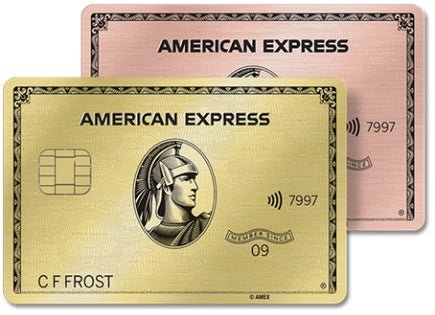
The American Express Gold Card is a mid tier premium rewards card that primarily targets individuals who spend heavily on dining and groceries. While many people recognize it by its distinctive metal design, the actual value of the card lies in its specific rewards structure and monthly statement credits. MoneyAtlas tracks the evolving landscape of premium cards to help consumers determine which products align with their actual spending habits. This article explores how the card functions, the mechanics of its rewards program, and the specific terms associated with its annual fee. Understanding the card requires looking past the branding to see how the math of the credits and point multipliers works for an average household budget.
The Core Mechanics of the Gold Card
The American Express Gold Card is often categorized as a "charge card" with a feature called "No Preset Spending Limit." Unlike a traditional credit card that has a fixed limit, such as $5,000 or $10,000, your spending capacity on the Gold Card adjusts based on your history, credit profile, and payment patterns. This does not mean spending is unlimited. American Express monitors transactions and may decline a purchase that is significantly outside your normal behavior.
Most charges on this card are intended to be paid in full every month. However, the card includes a feature called Pay Over Time. This allows cardholders to carry a balance on certain eligible purchases with interest, similar to a traditional credit card. The Annual Percentage Rate (APR), which represents the yearly cost of borrowing, applies to any balance carried through this feature. Current rates are competitive with other premium cards and should be verified on the provider's website.
The Annual Fee Structure
The card carries a $325 annual fee. This fee is charged on the card anniversary date and appears on the monthly billing statement. For new cardholders, the first fee typically appears on the first statement. MoneyAtlas makes it easier to compare credit card annual fees, interest rates, and rewards side by side and understand how these fees impact the overall value of different card tiers.
For those considering adding family members, American Express allows the addition of up to five cards for authorized users with no additional annual fee. Starting with the sixth additional card, a $35 annual fee applies per user. The primary cardholder remains responsible for all charges made by these additional users.
How the Rewards Program Works
The Gold Card earns Membership Rewards points rather than flat cash back. This currency is highly flexible but requires some understanding of redemption values to maximize. The card is designed to reward specific lifestyle categories.
High Velocity Earning Categories
The primary reason many consumers choose this card is the 4X multiplier on food.
- Restaurants: You earn 4 points per $1 spent at restaurants worldwide. This includes takeout and delivery services in the U.S. There is a $50,000 annual spending cap on this category. After reaching that limit, the rate drops to 1 point per $1.
- U.S. Supermarkets: You earn 4 points per $1 spent at U.S. supermarkets. This category has a $25,000 annual spending cap, after which it earns 1 point per $1.
- Flights: The card earns 3 points per $1 on flights booked directly with airlines or through the Amex Travel portal.
- Hotels: Prepaid hotels booked through the Amex Travel portal earn 5 points per $1.
- General Spending: All other eligible purchases earn 1 point per $1.
Understanding Point Values
Not all redemptions are equal. If points are used for statement credits (cash back), they are typically worth 0.6 cents each. This means 10,000 points would only cover $60 of your bill. However, when points are used for booking flights through the travel portal, they are usually worth 1 cent each.
The highest potential value often comes from transferring points to airline and hotel partners. American Express maintains partnerships with over a dozen programs, including Delta SkyMiles, British Airways Executive Club, and Hilton Honors. When transferred to these partners, points can sometimes be worth 2 cents or more depending on the specific flight or hotel booking.
The Monthly and Annual Credits
To offset the $325 annual fee, the card provides several statement credits. These are "use it or lose it" benefits, meaning they do not roll over to the next month if they are not used.
Enrollment is required for most of these credits through the American Express app or website. For someone who already uses these services, the total value of $424 in credits can effectively "pay" for the annual fee. If these services are not part of your regular routine, the credits may provide less actual value.
Additional Lifestyle and Travel Benefits
Beyond points and credits, the Gold Card includes several "soft" benefits that enhance the travel experience.
The Hotel Collection
When booking a stay of at least two consecutive nights through the Amex Travel portal at participating "Hotel Collection" properties, cardholders receive specific perks. These typically include a $100 experience credit to spend on dining, spa services, or resort activities. Room upgrades may also be available upon arrival depending on availability.
Car Rental Status
Cardholders can enroll for complimentary Hertz Five Star status. This mid tier elite status provides benefits such as vehicle upgrades when available and the ability to add a spouse or domestic partner as an additional driver at no extra cost.
Protections and Insurance
The card provides several built in protections for travel and purchases. These are secondary coverages, meaning they apply after any primary insurance you might have.
- Car Rental Loss and Damage Insurance: Provides coverage for theft or damage to most rental vehicles when you pay for the entire rental with your card and decline the rental company's collision damage waiver.
- Baggage Insurance Plan: Covers lost, damaged, or stolen baggage when the entire fare for a common carrier (plane, train, ship, or bus) is charged to the card.
- Purchase Protection: Can protect eligible purchases against accidental damage or theft for up to 90 days from the date of purchase.
Comparing the Gold Card to Other Options
Deciding if this card is the right choice involves comparing it against other premium cards and the cards within the American Express ecosystem. MoneyAtlas provides credit card comparison tools to help you review different products by rewards, fees, and benefits.
- Amex Gold vs. Amex Platinum: The Platinum Card focuses on luxury travel, offering airport lounge access and higher credits for flights. The Gold Card is better for everyday spending on food.
- Amex Gold vs. Amex Green: The Green Card is a more affordable entry point for travel and transit spending, while the Gold Card prioritizes supermarket and restaurant rewards.
- Amex Gold vs. Premium Cash Back Cards: A card that offers 2% or 3% cash back on everything may be simpler for those who do not want to manage monthly credits or navigate point transfer partners.
MoneyAtlas provides tools to help you compare these cards based on your specific monthly budget. For example, if you spend $800 a month on groceries and $400 on dining, the 4X multiplier on the Gold Card will likely outperform a flat 2% cash back card, provided you can use the statement credits to justify the annual fee.
Is the Gold Card Right for Your Budget?
The decision to apply for the American Express Gold Card should be based on a math calculation rather than the prestige of the card. To determine if it makes sense for your situation, follow these steps.
Is the Gold Card Right for Your Budget?
- 1
Review your supermarket and dining spending
Look at your bank statements for the last three months. Calculate your average monthly spend at grocery stores and restaurants. If it is under $500 combined, the points earned might not justify the effort of managing the card.
- 2
Evaluate the credits
Look at the list of credit partners. Do you already use Grubhub or Uber? Do you live near a Dunkin' or a restaurant on the Resy platform? If you would have to change your behavior significantly to use these credits, they are worth less than their face value.
- 3
Consider your travel goals
If you prefer cash back to pay down your bill, this card is not the most efficient choice. It is designed for people who want to earn points to book flights or hotels, specifically through transfer partners.
Applying for the Card
American Express typically requires "good" to "excellent" credit for approval, which generally means a score in the 670+ range. They also have a unique application process that allows you to see if you are approved with no impact on your credit score initially. If you are approved and choose to accept the card, a hard inquiry will be performed, which may then affect your score.
The Welcome Offer
New cardholders can often earn a significant "Welcome Offer" of Membership Rewards points after spending a certain amount within the first few months. These offers vary. Some applicants might see an offer for 60,000 points, while others might see 100,000 points. Always check the current terms before submitting an application.
The "Once per Lifetime" Rule
It is worth noting that American Express generally limits welcome bonuses to once per lifetime for each specific card. If you have had the Gold Card in the past, you may not be eligible for a new welcome offer, even if many years have passed.
FAQ
MoneyAtlas Staff
Articles and reviews from the MoneyAtlas editorial team — independent research on credit cards, banking, loans, insurance, and investing.
Related Articles

What the Difference Between American Express Gold and Platinum Is
Wondering what the difference between American Express Gold and Platinum is? Compare annual fees, 4X food rewards, and luxury travel perks to find your fit.

What Is the Difference Between Gold and Platinum American Express?
What is the difference between gold and platinum american express? Compare fees, 4x dining rewards, and luxury travel perks to find your perfect card.

What Is the Fee for American Express Gold Card?
Wondering what is the fee for american express gold card? It's $325 annually. Learn how to offset this cost with over $400 in credits and 4X rewards.