Is There an Annual Fee for American Express Gold Card?


# Is There an Annual Fee for American Express Gold Card?
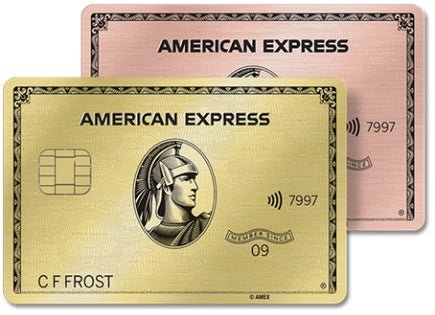
The American Express Gold Card is a staple in the wallets of many food and travel enthusiasts, but its cost is a frequent point of discussion. The direct answer is that there is an annual fee for the American Express Gold Card. Currently, the fee is $325 per year. This represents a significant commitment compared to no-annual-fee credit cards, placing it in the mid-tier category of rewards cards. MoneyAtlas tracks these fee structures to help you determine if the benefits provided by a card justify its yearly cost. This post explores the specific dollar amount of the fee, when the charge occurs, and the various statement credits designed to offset that expense. Our goal is to clarify how the fee works so that anyone considering this card can make an informed choice based on their spending habits.
The Cost of Carrying the American Express Gold Card
The primary cost of holding this card is the $325 annual fee. While some cards offer a $0 introductory fee for the first year, this is generally not the case with the Gold Card. Applicants should expect to see the full fee charged shortly after opening the account.
The fee is charged once per year on the anniversary of the account opening. For example, if an account is approved on October 15, the first fee will typically appear on the first billing statement. Every October 15 thereafter, the $325 charge will recur as long as the account remains open. It is important to monitor the billing statement around this time to prepare for the expense.
For many, a $325 fee feels steep. When broken down, it equates to roughly $27 per month. This cost is positioned between entry-level cards with fees under $100 and premium luxury cards that can cost $695 or more annually. The value of the card depends largely on whether a person can utilize the credits and rewards points to exceed that $325 threshold.
For a broader look at how fees, rewards, and benefits compare, review MoneyAtlas's credit card comparison rankings.
Understanding the Annual Fee Credits
American Express provides several statement credits that can reduce the effective cost of the annual fee. If these credits are used in full, they total $424 in annual value. For a cardholder who already spends money with these specific merchants, the credits can essentially pay for the card and provide a net positive value.
The $120 Dining Credit
This benefit provides up to $10 in statement credits each month when the card is used at specific partners. The annual total for this credit is $120. Enrollment is required through the American Express app or website to activate this feature. The current eligible partners include:
- Grubhub, including Seamless
- The Cheesecake Factory
- Buffalo Wild Wings
- Five Guys
- Wonder
If someone orders takeout through Grubhub once a month, they effectively reclaim $120 of their annual fee through this single benefit.
The $120 Uber Cash Benefit
Cardholders can receive $10 in Uber Cash each month, totaling $120 annually. To use this, the Gold Card must be added to the Uber app. The credit can be applied to Uber rides in the United States or Uber Eats orders. Like the dining credit, this is a "use it or lose it" monthly benefit. It does not roll over to the next month, so consistent use is necessary to capture the full value.
The $100 Resy Credit
One of the newer additions to the card is the Resy credit. This provides up to $100 in statement credits each calendar year for eligible purchases at U.S. Resy restaurants. This credit is split into two $50 increments. One $50 credit is available from January through June, and the second $50 credit is available from July through December. Enrollment is required.
The $84 Dunkin' Credit
For those who frequently visit Dunkin' locations in the U.S., the card offers up to $7 in monthly statement credits. This adds up to $84 over the course of a year. Like the other credits, this requires enrollment and must be used each month to realize the full benefit.
For help calculating whether statement credits genuinely offset a fee, read how to evaluate credit card annual fees, interest rates, and rewards.
Rewards Structure and Point Value
Beyond the credits, the reason most people pay the annual fee is for the Membership Rewards points. The Gold Card is specifically designed for high earners in food-related categories. The current rewards rates are competitive as of recent data:
- 4X points at restaurants: This applies worldwide on up to $50,000 in purchases per calendar year. After that, the rate drops to 1X.
- 4X points at U.S. supermarkets: This is capped at $25,000 in purchases per calendar year. Once the cap is hit, the rate becomes 1X.
- 3X points on flights: This applies to flights booked directly with airlines or through the American Express travel portal.
- 2X points on prepaid car rentals: This is available for bookings made through the American Express travel site.
- 1X points on all other purchases: This is the standard baseline for spending outside the bonus categories.
Points are generally worth about 1 cent each when redeemed for travel through the portal. However, for those who transfer points to airline or hotel partners, the value can often exceed 2 cents per point. For someone who spends $1,000 a month on groceries and dining, the 48,000 points earned annually could be worth $480 to $960 in travel, further justifying the annual fee.
Compare additional points-based products through MoneyAtlas's rewards credit card rankings.
Authorized Users and Additional Cards
Many people want to share the benefits of their account with family members. For the American Express Gold Card, there is no additional annual fee for the first five authorized users. This is a significant benefit compared to some premium cards that charge for every additional cardholder.
Starting with the sixth additional card, there is a $35 annual fee for each. Authorized users, who must be at least 13 years old, can help the primary cardholder earn points faster by charging their daily expenses to the account. It is important to remember that the primary cardholder is legally responsible for all charges made by authorized users.
Comparing the Annual Fee to Other Options
When deciding if the $325 fee is worth it, comparing it to other products is helpful. MoneyAtlas makes it easier to compare side by side how different cards stack up in terms of fees and rewards.
For example, a cash back credit card comparison might include a no-fee card offering 2% back on all purchases. While there is no annual fee, the earning potential is lower for someone with high food expenses. On the other end of the spectrum, the American Express Platinum Card carries a much higher fee, often around $695, but includes airport lounge access and higher travel credits.
The Gold Card sits in a unique spot. It does not offer the luxury travel perks like lounge access or TSA PreCheck credits found on more expensive cards. Instead, it focuses almost entirely on earning points through everyday spending like groceries and dining out.
How to Manage the Annual Fee Charge
If the annual fee has already posted to your statement and you are reconsidering the card, there is a small window for recourse. American Express typically allows a 30-day grace period from the date the fee is billed. If the account is closed or downgraded within those 30 days, the annual fee is generally refunded.
For those who wish to keep the card but find the $325 fee difficult to manage in a single month, American Express offers features like Pay Over Time. This allows certain charges, including the annual fee in some instances, to be paid over time with interest. However, carrying a balance on a rewards card is generally not the most cost-effective strategy, as the interest charges can quickly outweigh the value of any points earned.
Learn how borrowing costs work in MoneyAtlas's guide to credit card APR.
Eligibility and Application Factors
Securing a card with a $325 annual fee generally requires a solid credit profile. While the issuer does not state a hard minimum score, the Gold Card is typically suited for applicants with good to excellent credit. This usually means a FICO score in the 670+ range, though many successful applicants have scores above 700.
Beyond the credit score, the issuer looks at:
- Income: To ensure the cardholder can manage the spending and the fee.
- Recent Inquiries: Too many new accounts in a short period may lead to a denial.
- Relationship with American Express: Existing cardholders in good standing may have a smoother application process.
Who Is the Annual Fee Best Suited For?
The $325 fee is not a one-size-fits-all cost. For some, it is a profitable investment. For others, it is an unnecessary expense.
It may be worth comparing for:
- Frequent Diners: Those who spend heavily on restaurants, takeout, and delivery.
- Grocery Shoppers: Households that spend a large portion of their budget at U.S. supermarkets.
- Uber and Grubhub Users: People who already use these services at least once a month and will naturally use the credits.
- Travelers: Those who value Membership Rewards points and plan to use them for airline transfers.
It may not be the best fit for:
- Occasional Spenders: People who spend very little on groceries or dining out.
- Credit Avoiders: Those who do not want to manage multiple monthly credits to "break even."
- International Travelers: While the card has no foreign transaction fees, American Express is not as widely accepted outside the U.S. as Visa or Mastercard.
Potential Drawbacks of the Fee Structure
While the math can show a net positive, the way the credits are distributed can be a drawback. The credits are "coupon-style," meaning they are dripped out in small monthly or semi-annual increments. This requires the cardholder to remember to use them.
If a cardholder forgets to use their $10 Uber Cash in June, that value is gone forever. This is different from a card that offers a flat $300 travel credit that can be used all at once. The Gold Card requires active management to truly "erase" the $325 fee.
Additionally, the $325 fee is a hard cost that hits the statement once a year. For those on a tight monthly budget, a $325 charge can be a significant hurdle, even if they know they will get that value back over the next 12 months. It requires a level of liquidity to handle the upfront cost.
Conclusion
The American Express Gold Card is a powerful tool for earning rewards, but its $325 annual fee means it is not for everyone. By offering $424 in potential statement credits, the card provides a path to offset its own cost, provided the cardholder is willing to manage monthly enrollments and specific merchant requirements.
When evaluating this card, look closely at your actual spending habits. If you already spend $10 a month on Grubhub and $10 a month on Uber, the "real" cost of the card drops significantly. If you also spend heavily at supermarkets, the points you earn will likely far exceed the remaining cost.
To make the best decision, review the American Express Gold Card review and compare it with other premium and mid-tier options through MoneyAtlas.
- Verify if your monthly spending aligns with the $424 in available credits.
- Check your credit score to ensure it falls within the good-to-excellent range.
- Review the 4X categories to estimate your annual point earnings.
FAQ
MoneyAtlas Staff
Articles and reviews from the MoneyAtlas editorial team — independent research on credit cards, banking, loans, insurance, and investing.
Related Articles

What the Difference Between American Express Gold and Platinum Is
Wondering what the difference between American Express Gold and Platinum is? Compare annual fees, 4X food rewards, and luxury travel perks to find your fit.

What Is the Difference Between Gold and Platinum American Express?
What is the difference between gold and platinum american express? Compare fees, 4x dining rewards, and luxury travel perks to find your perfect card.

What Is the Fee for American Express Gold Card?
Wondering what is the fee for american express gold card? It's $325 annually. Learn how to offset this cost with over $400 in credits and 4X rewards.