Is the Gold American Express Card Worth It?


# Is the Gold American Express Card Worth It?
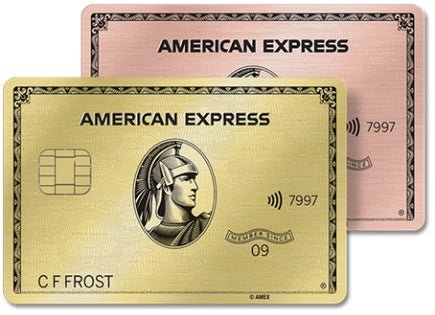
Deciding whether a premium credit card earns its place in a wallet often comes down to a simple math problem. For the American Express Gold Card, that math centers on a $325 annual fee and whether its specific rewards on dining and groceries outweigh that cost. This card occupies a unique middle ground in the market. It is more expensive than entry-level rewards cards but less costly than ultra-premium travel cards that charge $600 or more.
MoneyAtlas tracks dozens of high-end cards to see how they perform for different types of spenders. This analysis breaks down the points structure, the monthly statement credits, and the travel protections to help determine if the value is there for your specific spending habits. Whether the card makes sense usually depends on how much someone spends on food and their willingness to manage a list of monthly credits.
The Cost of Entry: The $325 Annual Fee
The first hurdle for any potential cardholder is the $325 annual fee. Unlike many basic cards that waive the fee for the first year, this charge typically appears on the first billing statement. To determine if this cost is justifiable, it is necessary to look at the "net cost" of the card.
The net cost is the annual fee minus the value of the credits you would have used anyway. If someone already spends $10 a month on Uber Eats and $10 a month on Grubhub, they are effectively getting $240 in value back. In that specific case, the "real" cost of the card drops to $85.
MoneyAtlas compares cards based on effective costs because a high headline fee does not always mean a card is expensive. However, for someone who does not live near participating restaurants or avoids delivery services, that $325 fee remains a significant out-of-pocket expense that the rewards must work hard to overcome.
Earning Points on Daily Essentials
The primary reason most people consider this card is its earning Power at U.S. supermarkets and restaurants worldwide. These are the two categories where the card is most competitive.
4x Points on Restaurants and Supermarkets
The card earns 4 Membership Rewards points per $1 spent at restaurants worldwide. This includes takeout and delivery in the U.S. This rate is capped at $50,000 in purchases per calendar year. After that, the rate drops to 1x.
Similarly, the card earns 4x points at U.S. supermarkets. This category has a lower cap of $25,000 in purchases per calendar year. For a family spending $400 a week on groceries, this cap is nearly hit by the end of the year.
Travel Earning Rates
While it is often called a "foodie" card, it also carries travel rewards. It earns 3x points on flights booked directly with airlines or through the Amex Travel portal. Additionally, it offers 2x points on prepaid hotels and other eligible travel booked through the same portal.
Readers comparing different points structures can browse MoneyAtlas's rewards credit card rankings before deciding whether the Gold Card's categories match their spending.
Navigating the Statement Credits
A major part of the Gold Card's value proposition is its suite of monthly and semi-annual credits. These credits total over $400 in potential value, but they require active management. Most of these benefits require a one-time enrollment through the card's online portal or app.
Uber Cash
Cardholders receive $10 in Uber Cash each month, totaling $120 annually. This can be used for Uber rides in the U.S. or for Uber Eats orders. It is important to note that these credits do not roll over. If they are not used by the end of the month, they vanish.
The Dining Credit
There is a separate $120 annual dining credit, also distributed as $10 per month. This credit is specific to certain partners. As of recent terms, these include Grubhub, The Cheesecake Factory, Five Guys, and Wine.com. Like the Uber credit, this is a "use it or lose it" monthly benefit.
Resy and Dunkin' Credits
As part of a recent refresh, the card added two more credits:
- Resy Credit: Up to $100 per year, given as two $50 statement credits, one for the first half of the year and one for the second. This applies to eligible purchases at U.S. Resy restaurants.
- Dunkin' Credit: Up to $84 per year, given as $7 per month for purchases at U.S. Dunkin' locations.
The American Express Gold Card review provides a detailed look at how the credits and rewards work together.
The Value of Membership Rewards Points
The points earned on this card are part of the American Express Membership Rewards program. These are flexible points, which are generally considered more valuable than points tied to a single airline or hotel chain.
There are several ways to use these points:
- Transfer to Partners: This is often the highest value option. Points can be moved to over a dozen airline and hotel partners, such as Delta, British Airways, and Hilton.
- Book Through Amex Travel: Points can be used to pay for flights or hotels directly, usually at a rate of 1 cent per point for flights.
- Statement Credits: This is generally the lowest value option, often netting only 0.6 cents per point.
For those who prioritize travel, the ability to transfer points to a partner to book a business class flight can result in a value much higher than 1 cent per point. For those who want simple cash back, this card is likely not the right fit, as other cards offer better cash redemption rates without the high fee.
Travel Protections and Insurance
Beyond earning points, the Gold Card offers several layers of protection that are useful for travelers. While it does not offer the airport lounge access found on the Platinum Card, it provides a solid baseline of security.
Baggage and Rental Car Insurance
The card includes baggage insurance. This provides coverage for lost, damaged, or stolen luggage when you use the card to book your entire fare on a common carrier like a plane, train, or bus.
It also offers secondary car rental loss and damage insurance. This can cover the cost of repairs or the value of the car if it is stolen or damaged, provided you decline the rental company's collision damage waiver. It is "secondary" because it only kicks in after your personal auto insurance has been exhausted.
No Foreign Transaction Fees
For travelers heading abroad, this card does not charge extra for purchases made in foreign currencies. Many basic credit cards charge a 3% fee on every international transaction, which can add up quickly on a week-long trip.
Evaluating the Welcome Offer
The welcome offer is a significant factor in the first-year value of the card. These offers change frequently. MoneyAtlas suggests checking the current offer directly on the provider's site, as they can range from 60,000 to 100,000 points.
To earn these points, there is typically a minimum spending requirement, such as spending $6,000 or $8,000 within the first 6 months of card membership. It is vital to ensure this spending fits within a normal budget. Paying interest on a balance just to hit a spending goal will quickly negate the value of the bonus points.
Who Is This Card For?
Determining if the card is worth it depends largely on your lifestyle.
The Ideal Candidate
Someone who spends heavily on groceries and dining out will see the most benefit. If a household spends $1,500 a month on food, they are earning 72,000 points a year. If that person also uses Uber and Grubhub regularly, they are essentially getting paid in points to hold the card after the credits are applied.
The Occasional Spender
For someone who cooks at home with low-cost ingredients and rarely uses delivery apps, the card is harder to justify. If the credits go unused, the cardholder must earn enough points through spending to make up for the $325 fee. At a valuation of 1 cent per point, it would take $8,125 in annual restaurant and grocery spending just to break even on the fee.
The Cash Back Enthusiast
If you prefer a simple check in the mail or a statement credit, this card is likely a poor choice. The redemption rate for cash is low. A no-annual-fee credit card comparison that offers 2% or 3% cash back on groceries might serve that goal better without the complexity of monthly credits.
Managing the "Coupon Book" Aspect
Critics often refer to the Gold Card as a "coupon book" because of the numerous small credits. Managing four different monthly or semi-annual credits requires some organizational effort.
How to Manage the Coupon Book Aspect
- 1
Enroll immediately
Set aside 10 minutes after receiving the card to enroll in all benefits.
- 2
Automate where possible
Link the card to your Uber and Grubhub accounts.
- 3
Set reminders
Use a calendar or app to ensure the monthly $10 credits don't go to waste in the final days of the month.
- 4
Track your Resy spend
Since the Resy credit is $50 every six months, a single dinner out in the spring and another in the fall usually handles this.
If this sounds like too much work, the card's value drops significantly. The $325 fee is only "discounted" if those credits are actually used.
Comparing the Gold to the Platinum
Many people weigh the Gold Card against the American Express Platinum Card. The Platinum Card has a much higher fee, currently $695, but offers extensive travel perks like airport lounge access and higher status with hotel chains.
The Gold Card is often the better "earner" for daily life. While the Platinum earns 5x on flights, it only earns 1x on groceries and dining. For the average person, the Gold Card will generate significantly more points on a month-to-month basis because it rewards common, high-frequency spending categories.
For a broader comparison of premium and rewards products, compare top-rated credit cards across fees, rewards, and benefits.
Red Flags and Pitfalls
There are a few areas where the card can lose its value if you aren't careful.
- Carrying a Balance: The interest rates on this card are high. If you carry a balance and pay interest, those charges will easily outpace any points you earn.
- Supermarket Exclusions: Not everything that looks like a supermarket counts. Wholesale clubs like Costco or Sam's Club, and "superstores" like Target or Walmart, typically do not earn the 4x grocery reward.
- Credit Expiration: The monthly credits do not roll over. If you have $10 in Uber Cash on the 30th and don't use it, it is gone on the 1st.
Final Verdict
The American Express Gold Card is worth it for a specific type of consumer: the one who spends at least $800 to $1,000 a month on food and is comfortable using mobile apps for delivery and dining. The $325 annual fee is high, but the $424 in potential credits creates a path to a "net zero" cost for those who can use them naturally.
For travelers who want to maximize their points for flights and hotels, the earning power of the 4x categories is among the best in the industry. However, for those who want a simple, low-maintenance card, the monthly requirements of the Gold Card might feel more like a chore than a benefit.
Before applying, it is worth comparing your actual grocery and dining spend against the fee. MoneyAtlas offers side-by-side credit card comparison tools that allow you to see how different cards stack up based on your specific monthly budget.
FAQ
MoneyAtlas Staff
Articles and reviews from the MoneyAtlas editorial team — independent research on credit cards, banking, loans, insurance, and investing.
Related Articles

Which Card Is Better: American Express Gold or Platinum?
Deciding which card is better: American Express Gold or Platinum? Compare fees, 4X dining rewards, and luxury travel perks to find your perfect match.

Should I Get an American Express Gold Card? Breaking Down the Value
Should I get an American Express Gold card? Explore the 4X rewards on dining and groceries vs. the $325 fee to see if this premium card fits your budget.

How to Get the American Express Gold Card: A Practical Guide
Learn how to get the American Express Gold Card with our guide on credit score requirements, income, and the 'Apply with Confidence' tool. Apply today!