Is the American Express Gold Card Metal? A Design Breakdown


Introduction
The American Express Gold Card is indeed a metal card. It is constructed from a stainless steel core and face, providing the weight and tactile feel often associated with premium financial products. This design choice is part of a broader trend where high-end cards move away from traditional plastic to offer a more durable and distinct physical presence. While the aesthetic appeal of a metal card is a common question for many applicants, the utility of the card depends more on its earning structure and annual credits than its material. MoneyAtlas makes it easier to compare the physical features and financial benefits of premium cards to help you decide which one fits your lifestyle. This article examines the construction of the card, the available color options, and the financial mechanics that determine its true value for your wallet.
The Material and Construction of the Gold Card
The American Express Gold Card features a multi-layered construction. The front and core of the card are made of stainless steel, which gives it a significant weight compared to a standard plastic card. A typical plastic credit card weighs about 5 grams, whereas a metal card like the Gold Card typically weighs around 15 grams. This difference is noticeable when the card is held or placed on a table.
The back of the card is a thin layer of plastic. This hybrid design is necessary for the card to function with modern payment technology. If a card were solid metal through and through, it would interfere with the internal antenna used for contactless payments. The plastic backing allows the signal to pass through, enabling you to tap the card at checkout terminals.
Choosing Between Gold and Rose Gold
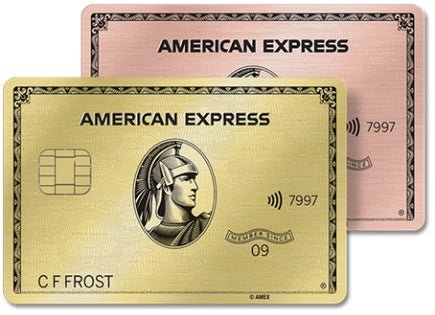
Applicants can choose between two distinct designs: the classic yellow Gold and the Rose Gold. Both cards are made of the same metal material and offer the exact same financial benefits. The Rose Gold version was originally introduced as a limited-edition option but has since become a permanent fixture in the American Express lineup due to high demand.
The Rose Gold hue is achieved through a specific coating process on the stainless steel base. It has a matte finish that resists fingerprints better than high-polish metal cards. The classic Gold version has a slightly more reflective finish but maintains the same heavy feel.
Durability and Longevity
Metal cards are significantly more durable than their plastic counterparts. They do not snap or crack under pressure and the edges are less prone to peeling over time. However, the surface coating can still scratch if kept in a wallet with other metal objects or keys. Because these cards do not wear down as easily, they often look new for the duration of their three to five-year expiration cycle.
How the Gold Card Compares to Other Metal Cards
The American Express Gold Card is part of a growing category of metal cards available in the US market. While it is heavy, it is not the heaviest card available. For example, the American Express Platinum Card is also metal and feels slightly more substantial to some users.
When comparing metal cards, it is helpful to look at the weight and the "clink" factor. Many users prefer the sound a metal card makes when dropped on a counter, which has become a symbol of prestige in the personal finance world. MoneyAtlas tracks over 1,500 products, including many metal cards, allowing you to compare premium rewards cards against competitors from major issuers.
The Financial Reality Behind the Metal
While the physical design is a draw, the American Express Gold Card is a financial tool with a specific fee structure. Currently, the card carries an annual fee of $325. To justify this cost, a cardholder generally needs to make use of the card’s earning categories and monthly credits. For broader comparisons, review MoneyAtlas's best credit card rankings.
Earning Membership Rewards Points
The Gold Card is widely considered one of the strongest cards for food-related spending. It earns Membership Rewards points, which are the proprietary currency of American Express. These points can be redeemed for travel, gift cards, or statement credits, though the value per point varies significantly based on the redemption method.
- 4% at Restaurants: You earn 4 points per dollar spent at restaurants worldwide, plus takeout and delivery in the U.S. This is capped at $50,000 in purchases per calendar year.
- 4% at U.S. Supermarkets: You earn 4 points per dollar on up to $25,000 in purchases per calendar year. After hitting the cap, the rate drops to 1%.
- 3% on Flights: This applies to flights booked directly with airlines or through the Amex Travel portal.
- 1% on Other Purchases: All other eligible spending earns 1 point per dollar.
Understanding Point Values
Membership Rewards points are generally worth 1 cent each when used for flights through the Amex portal. However, their value can drop to 0.6 cents when used for statement credits. For those seeking maximum value, transferring points to airline and hotel partners often yields the best return, sometimes exceeding 2 cents per point.
For a broader look at how rewards, fees, and redemption values work together, read how to evaluate credit card annual fees, interest rates, and rewards.
The Monthly Credit System
The American Express Gold Card uses a "coupon book" style approach to its benefits. Rather than a single large credit, it offers several smaller monthly or semi-annual credits that can total over $400 in value. If used fully, these credits can more than offset the $325 annual fee.
$120 Dining Credit
Cardholders can receive up to $10 in statement credits each month when they use their card at specific partners. These currently include Grubhub, The Cheesecake Factory, Five Guys, Buffalo Wild Wings, and Wonder. You must enroll in this benefit through your online account to receive the credit.
$120 Uber Cash
By adding your Gold Card to your Uber account, you receive $10 in Uber Cash each month. This can be used for Uber Eats orders or Uber rides in the United States. Like the dining credit, this is a "use it or lose it" benefit that does not roll over to the next month.
$100 Resy Credit
This is a newer benefit where cardholders receive up to $50 in statement credits semi-annually, January to June and July to December, for purchases at U.S. Resy restaurants. This is helpful for those who dine out at independent or high-end establishments that use the Resy platform for reservations.
$84 Dunkin' Credit
The most recent addition to the card is a monthly $7 credit for use at U.S. Dunkin' locations. Over a full year, this adds $84 in value for regular coffee drinkers.
Procedural Guide: How to Handle a Metal Card
Owning a metal card requires different handling than a plastic one, especially when it comes to security and disposal.
How to Handle a Metal Card
- 1
Check your wallet fit
Metal cards are thicker than plastic ones. If you have a very tight cardholder or a minimalist wallet, you might find that the metal card is harder to slide in and out. Ensure your wallet can accommodate the extra millimeter of thickness without stretching the leather or fabric.
- 2
Prepare for airport security
In most cases, you do not need to take your metal card out of your wallet when going through a TSA scanner. However, some highly sensitive metal detectors may be triggered by the stainless steel core. If you are asked to remove all metal from your person, it is worth remembering that your card is indeed metal.
- 3
Dispose of the card correctly
You cannot destroy a metal card with a standard home paper shredder. Attempting to do so will likely break your shredder. When your card expires or if you close your account, you should contact American Express. They typically provide a pre-paid envelope for you to mail the card back to them for secure destruction.
- 4
Use the "Check Spending Power" tool
Because the Gold Card is a charge card with no preset spending limit, your available balance isn't a fixed number. Before making a very large purchase that is outside your normal spending habits, use the tool in the American Express app to see if the transaction will be approved.
Travel and Insurance Protections
Beyond the metal design and point earnings, the Gold Card includes several protections that are useful for travelers. These benefits add an extra layer of security when you use the card to pay for trips.
Car Rental Loss and Damage Insurance
When you use your card to reserve and pay for an eligible vehicle rental and decline the collision damage waiver at the rental counter, you can be covered for theft or damage to the vehicle. This is secondary coverage, meaning it kicks in after your personal auto insurance.
Baggage Insurance Plan
If your carry-on or checked luggage is lost, damaged, or stolen while traveling on a common carrier, like a plane or train, you may be eligible for reimbursement. The entire fare must be charged to your Gold Card for this protection to apply.
Global Assist Hotline
When you are more than 100 miles from home, you have access to a 24/7 hotline that can help with medical, legal, or financial emergencies. This includes everything from finding a local English-speaking doctor to coordinating emergency medical transportation.
Is the Amex Gold Card the Right Choice?
Deciding if the American Express Gold Card is right for you involves looking past the metal exterior. For a household that spends $500 per month on groceries and $300 per month on dining out, the card would earn roughly 38,400 Membership Rewards points per year. If valued at 1 cent per point, that is $384 in rewards, already exceeding the annual fee even before counting the credits.
However, if you do not use Uber, Grubhub, or Dunkin', the $325 fee becomes a significant hurdle. For those who prefer a simpler cash back approach, other cards might offer a better return without the high fee or the requirement to track monthly credits. MoneyAtlas provides comparison tools to help you look at these options side by side, including no annual fee credit cards that still offer metal construction.
Key Factors to Consider
- Annual Fee: $325 is a mid-to-high tier fee.
- Spending Habits: The 4% categories are the primary engine for value.
- Credit Usage: Are you already spending money at Uber, Grubhub, and Resy?
- Point Redemption: Are you willing to learn how to use travel partners to get the best value?
Final Thoughts on the Metal Gold Card
The American Express Gold Card successfully combines a prestigious metal design with a very functional earning structure for the average American consumer. It bridges the gap between basic plastic cards and the ultra-premium "Black" or Platinum cards. The metal construction provides a sense of durability and status, while the 4% earning rates on food provide the financial substance to back it up.
Before applying, use the American Express Gold Card review and MoneyAtlas comparison tools to see how the Gold Card stacks up against other premium rewards cards. Compare the effective annual fee, the fee minus the value of credits you will actually use, to see which card provides the highest net benefit for your spending patterns.
FAQ
MoneyAtlas Staff
Articles and reviews from the MoneyAtlas editorial team — independent research on credit cards, banking, loans, insurance, and investing.
Related Articles

Is the American Express Gold Card Hard to Get?
Is the American Express Gold Card hard to get? Learn the credit score, income requirements, and tips to get approved for this top foodie card.

Which is Better: Platinum or Gold American Express?
Deciding which is better platinum or gold american express? Compare fees, 4X dining rewards, and luxury travel perks to find your perfect card.

Is Gold American Express Card Good: Reviewing the $325 Fee
Is gold American Express card good for your wallet? Compare the $325 annual fee against 4x food rewards and monthly credits to see if it's worth it.