Is the American Express Gold Card a Credit Card?


Introduction
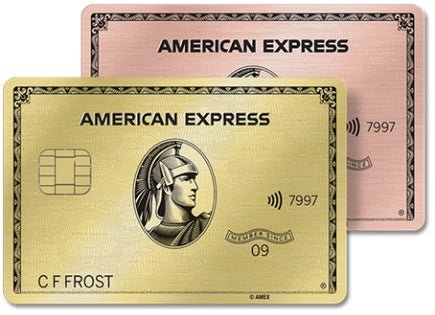
The American Express Gold Card is a financial product that often confuses consumers because it does not behave exactly like a traditional credit card. While you can use it at any merchant that accepts American Express, its underlying mechanics differ from the revolving lines of credit most people carry in their wallets. Historically, this card was classified strictly as a charge card, meaning the balance had to be paid in full every month. Today, it has evolved into a hybrid product that offers both charge card features and the ability to carry a balance on certain purchases.
MoneyAtlas tracks these nuances to help you decide which type of account fits your spending habits and payment style. This article explores the technical classification of the American Express Gold Card, how its spending limits work, and the specific rewards and fees that define its value. By understanding these distinctions, you can better compare this card against traditional credit card options.
The Technical Distinction: Charge Card vs. Credit Card
To understand the American Express Gold Card, you first need to understand the difference between a charge card and a credit card. A traditional credit card provides a revolving line of credit. You are given a specific credit limit, such as $5,000, and you can carry a balance from month to month as long as you make the minimum payment. You pay interest on any balance you do not pay off by the due date.
A charge card operates differently. Traditionally, charge cards did not have a preset spending limit and required the cardholder to pay the entire statement balance in full every single month. There was no option to carry a debt into the next month. This encouraged disciplined spending and meant the issuer did not charge interest in the traditional sense, though they would charge heavy late fees for missed payments.
The American Express Gold Card occupies a middle ground. It is still technically a charge card because it features No Preset Spending Limit, but it now includes features like "Pay Over Time." This allows cardholders to carry a balance on eligible purchases of $100 or more, similar to a credit card.
How No Preset Spending Limit Works
One of the biggest differences between the Gold Card and a standard credit card is how your spending capacity is determined. With a credit card, your limit is a hard cap. If your limit is $10,000 and you try to spend $10,001, the transaction will likely be declined.
With the American Express Gold Card, the spending limit is flexible. It adjusts based on several factors:
- Your history of on-time payments.
- Your current credit record and score.
- Your documented income and financial resources.
- Your past spending patterns with American Express.
This does not mean the card has "unlimited" spending power. If you usually spend $2,000 a month and suddenly try to buy a $50,000 car, American Express may decline the transaction. MoneyAtlas suggests using the "Check Spending Power" tool in the American Express mobile app before making an unusually large purchase to ensure it will be approved.
Paying Off the Balance: Pay In Full vs. Pay Over Time
Even though the Gold Card has credit-card-like features, its default expectation is that you will pay the balance in full. This is a critical distinction for your monthly cash flow. For more context, read what a purchase interest charge means on a credit card.
The Pay In Full Requirement
For most purchases, the amount you spend during the billing cycle is due by the payment date. If you spend $3,000 on groceries, dining, and travel, American Express expects a $3,000 payment. This differs from a credit card, where you could choose to pay a minimum of perhaps $100 and carry the rest of the debt.
Using Pay Over Time
The Pay Over Time feature is what makes the Gold Card feel like a credit card. When you activate this feature, American Express assigns a "Pay Over Time Limit" to your account. This is a specific dollar amount, separate from your overall spending power, that you are allowed to carry as a balance.
If you make an eligible purchase, you can choose to pay it off over several months with interest. The interest rate for this feature is an Annual Percentage Rate (APR) similar to what you would find on a high-end rewards credit card. It is important to note that any spending beyond your Pay Over Time limit must still be paid in full by the due date.
Plan It
Another feature that mimics modern credit cards is "Plan It." This allows you to select specific purchases of $100 or more and move them into a structured payment plan with a fixed monthly fee instead of standard interest. This can make large, unexpected expenses easier to manage without disrupting your usual monthly payoff habit.
Earning Rewards: The Gold Card’s Core Value
The reason many people look past the technical "charge card" definition is the reward structure. The American Express Gold Card is widely considered one of the most effective cards for domestic spending, particularly on food. You can compare rewards credit cards to see how different earning structures stack up.
The card earns Membership Rewards points, which are a flexible currency that can be used for travel, gift cards, or transferred to airline and hotel partners. The earning rates are competitive:
- 4% back (4 points per dollar) at restaurants worldwide, including takeout and delivery in the U.S. This is capped at $50,000 in purchases per calendar year.
- 4% back (4 points per dollar) at U.S. supermarkets. This is capped at $25,000 in purchases per calendar year.
- 3% back (3 points per dollar) on flights booked directly with airlines or through the American Express Travel portal.
- 2% back (2 points per dollar) on prepaid car rentals and other qualifying travel booked through the portal.
- 1% back (1 point per dollar) on all other eligible purchases.
For a household that spends $1,000 a month on groceries and $500 a month on dining, the card would generate 72,000 points annually just from those categories. When compared to a standard 1% or 2% cash back credit card, the Gold Card often provides significantly higher value for food-focused spenders.
Understanding the $325 Annual Fee and Credits
The American Express Gold Card carries a $325 annual fee. This is a significant jump from many mid-tier credit cards that charge around $95. To justify this cost, American Express provides a suite of monthly and annual credits. If you already spend money with these specific merchants, the credits can effectively reduce the "net cost" of the card. Our guide to evaluating credit card annual fees, interest rates, and rewards explains how to assess that trade-off.
Monthly Dining Credits
You can earn up to $10 in statement credits monthly (up to $120 per year) when you use the card at participating partners. These currently include Grubhub, The Cheesecake Factory, Five Guys, Buffalo Wild Wings, and Wonder. Enrollment is required through the American Express website or app.
Uber Cash
By adding your Gold Card to the Uber app, you receive $10 in Uber Cash each month, totaling $120 annually. This can be used for Uber Eats orders or Uber rides within the United States. Like the dining credit, this is a "use it or lose it" benefit that does not roll over to the next month.
Resy Credit
The card offers up to $100 in statement credits each calendar year for purchases at U.S. Resy restaurants. This is broken down into two $50 increments: one available from January through June, and the second from July through December.
Dunkin' Credit
Cardholders can receive up to $7 in monthly statement credits for purchases made at U.S. Dunkin' locations. This adds up to $84 per year.
The Math of the Annual Fee
If you use all $424 in available annual credits, you are essentially being paid to hold the card. However, MoneyAtlas notes that these credits only provide true value if they offset spending you were already going to do. If you do not live near a Dunkin' or never use Uber, the $325 annual fee remains a high hurdle to clear.
Who Should Compare the Gold Card Against Traditional Credit Cards?
Deciding between the American Express Gold Card and a traditional credit card comes down to two factors: your spending habits and your financial discipline. Start with MoneyAtlas's best credit card comparison to review broader options.
The Disciplined Spender
Because the Gold Card still functions primarily as a charge card, it is best for someone who never carries a balance. If you treat your credit cards like debit cards and pay them off every Friday or at the end of the month, the "pay in full" requirement of the Gold Card is not a burden. It can actually act as a guardrail against overspending, as you know the bill is coming due shortly.
The Food Enthusiast
If a large percentage of your budget goes toward U.S. supermarkets and dining out, the 4% earning rate is hard to beat. Most traditional credit cards offer 2% or 3% in these categories. For high-volume spenders, that extra 1% adds up to hundreds of dollars in rewards over a year.
The Frequent Traveler
The Gold Card is a strong companion for travelers, especially because it has no foreign transaction fees. While the 3% on flights is lower than the 5% offered by the American Express Platinum Card, the Gold Card is often more useful for daily life between trips.
When to Choose a Traditional Credit Card Instead
A traditional credit card may be a better fit if:
- You need a fixed credit limit. Some people find it easier to budget when they have a hard ceiling on their spending.
- You occasionally need to carry a balance. If you anticipate needing to finance a purchase for three or four months without using specific features like Pay Over Time, a standard credit card is more flexible.
- You want a lower annual fee. There are many excellent credit cards with fees under $100 that still offer 2% or 3% back on food.
How to Apply and What to Expect
If you decide to apply for the American Express Gold Card, you should generally have a "good" to "excellent" credit score. While American Express does not publish a specific minimum, scores in the 670 to 700+ range are typically associated with successful applicants.
One helpful feature of the American Express application process is the ability to see if you are approved with no impact on your credit score. If you are approved and you choose to accept the card, American Express will then perform a hard inquiry, which may temporarily lower your score by a few points.
The Welcome Offer
Most new applicants are eligible for a welcome bonus, often ranging from 60,000 to 100,000 Membership Rewards points after meeting a minimum spending requirement in the first few months. These offers vary, so it is worth using the comparison tools on MoneyAtlas to see the current best available offer.
Step-by-Step: Adding the Gold Card to Your Wallet
Adding the Gold Card to Your Wallet
- 1
Check your credit score
Ensure you are in the good to excellent range before applying to maximize your chances.
- 2
Use a comparison tool
MoneyAtlas allows you to see how the Gold Card's rewards and fees stack up against competitors like the Chase Sapphire Preferred or Capital One Savor.
- 3
Apply using the "Apply with Confidence" tool
This lets you know your approval status without a hard credit pull.
- 4
Enroll in benefits immediately
Once the card arrives, you must manually enroll in the dining, Resy, and Dunkin' credits through the Amex app to start receiving statement credits.
Summary of Costs and Terms
The following table summarizes the key financial terms of the American Express Gold Card compared to a typical premium credit card.
Final Considerations
The American Express Gold Card is a powerful financial tool, but calling it a "credit card" only tells half the story. It is a premium charge card designed for people who want high rewards on everyday spending and have the financial discipline to pay their balance in full.
If you value the flexibility of a non-fixed spending limit and can make use of the various dining and travel credits, the Gold Card is a top-tier option. However, if the $325 fee feels steep or you prefer the simplicity of a traditional revolving credit limit, you may find better value in a standard rewards credit card.
We recommend using the American Express Gold Card review and MoneyAtlas comparison tools to view the Gold Card side by side with other travel and dining cards. This helps you visualize how the different fee structures and reward tiers will impact your specific monthly budget.
FAQ
MoneyAtlas Staff
Articles and reviews from the MoneyAtlas editorial team — independent research on credit cards, banking, loans, insurance, and investing.
Related Articles

What the Difference Between American Express Gold and Platinum Is
Wondering what the difference between American Express Gold and Platinum is? Compare annual fees, 4X food rewards, and luxury travel perks to find your fit.

What Is the Difference Between Gold and Platinum American Express?
What is the difference between gold and platinum american express? Compare fees, 4x dining rewards, and luxury travel perks to find your perfect card.

What Is the Fee for American Express Gold Card?
Wondering what is the fee for american express gold card? It's $325 annually. Learn how to offset this cost with over $400 in credits and 4X rewards.