Is American Express Gold Card Metal? Durability and Details


Introduction
If you are wondering if the American Express Gold Card is metal, the answer is a definitive yes. Every version of the current card is constructed from stainless steel, giving it a heavy, premium feel compared to standard plastic alternatives. MoneyAtlas tracks the evolving market of premium credit cards, and the physical build of a card often signals the tier of benefits it provides. While the metal construction is a popular aesthetic choice, it also reflects the durability required for a card designed for high-frequency use at restaurants and grocery stores.
This post covers the specific materials used in the card, the available design options like Rose Gold, and how the physical build relates to the overall value proposition of the card. Understanding the weight and durability of your payment methods is one part of the decision. We also analyze the rewards structure and the $325 annual fee to help you determine if this metal card aligns with your spending habits.
The Physical Build: What Is the Amex Gold Made Of?
The American Express Gold Card transitioned from plastic to a metal composition several years ago. It is currently built using a stainless steel alloy. This material choice is not just about aesthetics. It provides a level of rigidity that prevents the card from snapping, peeling, or wearing down after hundreds of swipes or dips into payment terminals.
The weight of the card is a major selling point for many users. A typical plastic credit card weighs about 5 grams. The Amex Gold weighs roughly 15 grams. This weight difference is noticeable in a wallet and provides a tactile sense of "substance" during a transaction. The card also features a signature "clink" when placed on a hard surface, which has become a hallmark of the premium card experience.
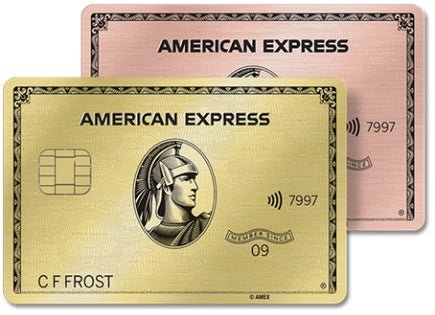
The front of the card is laser-etched with the cardholder's name and the classic American Express Centurion logo. Most of the sensitive information, such as the card number and the security code, is moved to the back to maintain a clean, minimalist look on the front. This design choice is common among metal cards to highlight the material and the brand.
The Choice of Aesthetics: Gold vs Rose Gold
When applying for the card, you can choose between two distinct metal designs. The classic Gold option offers the traditional yellow-gold hue that has been associated with the brand for decades. The alternative is the Rose Gold version, which features a copper-tinted pink finish.
Both versions are identical in terms of weight, material, and benefits. The Rose Gold option was originally introduced as a limited-edition choice but became a permanent fixture due to high demand. Because both are metal, they offer the same durability. The choice is purely a matter of personal style.
Why Metal Construction Is a Factor for Cardholders
For some, the metal build is a status symbol. It differentiates the user from those carrying entry-level plastic cards. However, there are practical reasons why metal construction is worth comparing when looking at long-term financial tools.
Durability and Longevity
Plastic cards are prone to delamination, where the plastic layers begin to peel apart at the edges. They can also crack if kept in a back pocket. A stainless steel card is virtually immune to these issues. For a card intended to be used daily for grocery runs and dining out, this longevity is a functional advantage.
Security and Technology
The metal build does not interfere with modern payment technology. The Amex Gold is equipped with a contact chip and contactless (tap-to-pay) capabilities. Because metal can sometimes interfere with radio frequencies, these cards are engineered with a specific layered construction to ensure that the contactless antenna works through the metal face or a thin plastic backing layer.
Beyond the Metal: Earning Rewards and Membership Rewards Points
While the weight of the card is a pleasant perk, the true value of the American Express Gold Card lies in its earning potential. It is widely considered one of the strongest cards for food-related spending in the US market. For a closer look at its rewards, fees, and benefits, read our American Express Gold Card review.
The card earns Membership Rewards points, which are flexible points that can be transferred to various airline and hotel partners. The earning rates are currently:
- 4% back (4X points) at restaurants worldwide on up to $50,000 in purchases per calendar year.
- 4% back (4X points) at U.S. supermarkets on up to $25,000 in purchases per calendar year.
- 3% back (3X points) on flights booked directly with airlines or through the Amex Travel portal.
- 2% back (2X points) on prepaid hotels and other eligible travel booked through the portal.
- 1% back (1X point) on all other eligible purchases.
For a household that spends $1,000 a month on groceries and $500 a month on dining, the card would generate 72,000 points annually. Depending on how those points are redeemed, that could represent significant value toward future travel.
Evaluating the Annual Fee and Credits
The American Express Gold Card carries a $325 annual fee. For many, this is a high hurdle. However, the card provides several annual credits that can reduce the effective cost of ownership if they are used consistently. Readers comparing fees, rewards, and benefits can also review our guide on how to evaluate credit card annual fees, interest rates, and rewards.
The Dining Credit
Cardholders can receive up to $120 in annual dining credits. This is distributed as a $10 monthly statement credit when using the card at specific partners. These partners currently include Grubhub, The Cheesecake Factory, Buffalo Wild Wings, Five Guys, and Wonder. Enrollment is required to use this benefit.
Uber Cash
Adding the Gold Card to an Uber account provides $10 in Uber Cash each month, totaling $120 per year. This can be used for Uber rides or Uber Eats orders in the US.
Resy and Dunkin' Credits
A recent refresh of the card added two more credits. Cardholders can receive up to $100 in Resy credits annually (split as $50 every six months) for purchases at eligible Resy restaurants. There is also an $84 Dunkin' credit, provided as $7 per month for use at US Dunkin' locations.
If someone uses all these credits, the total value reaches $424, which is more than the $325 annual fee. However, if these credits force you to spend money at places you do not normally visit, the math may not be as favorable.
How the Amex Gold Compares to Other Metal Cards
The market for metal cards has grown significantly. MoneyAtlas makes it easier to see how the Amex Gold stacks up against other heavy hitters in the category. To compare broader card options by rewards, fees, and benefits, visit our best credit cards comparison.
The Amex Gold occupies a unique middle ground. It is more expensive than the "entry-level" metal cards like the Chase Sapphire Preferred, but it offers higher earning rates on everyday essentials like groceries. It is less expensive than the Amex Platinum, which is more focused on airport lounge access and travel perks than daily spending.
Step-by-Step: Maximizing Your Metal Card
If you decide the Amex Gold is the right fit, there are specific steps to take to ensure you are getting the most value from the moment it arrives in its heavy envelope.
How to Maximize Your Metal Card
- 1
Choose your design
Select between the Gold and Rose Gold finishes during the application process. Both offer the same metal construction and benefits.
- 2
Enroll in monthly credits
Log into the American Express app or website to manually enroll in the Dining and Resy credits. The Uber Cash requires you to add your card to the Uber app as a payment method.
- 3
Track your spending caps
Remember that the 4X supermarket rewards apply only to the first $25,000 in annual spending. If you are a high spender, you may want to monitor your progress toward this limit to know when the earning rate drops to 1%.
- 4
Check Spending Power
Because the Amex Gold is a card with no preset spending limit, it does not have a traditional credit limit. Use the tool in the app before making a very large purchase to ensure the transaction will be approved.
Practical Considerations: Security and Disposal
The metal construction brings a few unique challenges that plastic cards do not face.
Disposing of an Expired Card
You cannot simply cut a metal card with a pair of household scissors. Attempting to do so can damage your scissors or cause the metal to splinter. When your card expires or if you close the account, you should not put it in a standard paper shredder. Most shredders are not designed for stainless steel and will be ruined.
Instead, you should call the number on the back of the card and request a prepaid return envelope. American Express will provide a secure way for you to mail the card back to them so they can destroy and recycle the metal properly.
Security at Checkpoints
A common question is whether the card will set off metal detectors at airports or government buildings. Generally, the amount of metal in a single card is not enough to trigger most modern security scanners. If you are concerned, you can simply keep the card in your wallet or bag as it passes through the X-ray machine.
Travel Impact
The Amex Gold has no foreign transaction fees. This makes the durable metal build particularly useful for international travel, where you might be using the card in various environments. Whether you are at a cafe in Paris or a grocery store in Tokyo, the card will earn its 4X rewards on dining without adding extra fees to the currency conversion.
Understanding the Financial Mechanics of the Gold Card
The American Express Gold Card is often referred to as a "charge card," though Amex now includes features that allow it to function more like a traditional credit card.
No Preset Spending Limit
Unlike a traditional credit card that gives you a fixed $5,000 or $10,000 limit, this card has no preset limit. This does not mean spending is unlimited. Your "spending power" is adjusted dynamically based on your credit history, payment records, and financial resources.
Pay Over Time
While the card originally required the balance to be paid in full every month, American Express now offers a "Pay Over Time" feature. This allows you to carry a balance on certain purchases with an interest rate, similar to a standard credit card.
Who Should Consider the American Express Gold Card?
The decision to carry a metal card should ultimately be based on your budget and lifestyle. For someone who spends significantly on food, the Amex Gold is a powerhouse.
It is well-suited for someone who:
- Spends at least $500 per month on groceries and dining combined.
- Prefers to earn flexible travel points rather than simple cash back.
- Already uses services like Uber, Grubhub, or Dunkin' regularly.
- Values a durable, premium-feeling card in their wallet.
On the other hand, the card may not be the right choice for someone who:
- Avoids annual fees.
- Does not spend much on groceries or eating out.
- Finds it difficult to track monthly statement credits.
- Wants a simple cash-back reward system without transferring points to travel partners.
The Future of Metal Cards
The trend toward metal cards is likely to continue as issuers look for ways to make their products stand out in a crowded market. However, as more cards become metal, the "wow factor" may diminish. This is why it is vital to look at the underlying fee structure and rewards.
MoneyAtlas helps users look past the weight of the card to the actual costs. While the "clink" of a metal card is satisfying, a 4% reward rate on a major budget category like groceries is what truly impacts your bottom line. As you compare your options, consider how the annual fee fits into your yearly budget and whether the credits align with your existing habits. Readers who prefer simpler rewards structures can browse cash back card rankings.
FAQ
MoneyAtlas Staff
Articles and reviews from the MoneyAtlas editorial team — independent research on credit cards, banking, loans, insurance, and investing.
Related Articles

Is the American Express Gold Card Hard to Get?
Is the American Express Gold Card hard to get? Learn the credit score, income requirements, and tips to get approved for this top foodie card.

Which is Better: Platinum or Gold American Express?
Deciding which is better platinum or gold american express? Compare fees, 4X dining rewards, and luxury travel perks to find your perfect card.

Is Gold American Express Card Good: Reviewing the $325 Fee
Is gold American Express card good for your wallet? Compare the $325 annual fee against 4x food rewards and monthly credits to see if it's worth it.