How Much Does American Express Gold Card Cost?


Introduction
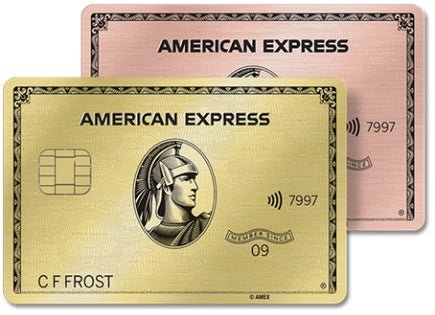
The American Express Gold Card review carries a $325 annual fee. While this is the primary cost of ownership, the total financial impact of the card depends on how effectively a cardholder uses its built-in credits and avoids interest charges. This card occupies a middle ground in the American Express lineup, sitting between entry-level no-fee cards and the high-end Platinum Card. MoneyAtlas tracks these costs to help consumers determine if the value proposition aligns with their spending habits. This article breaks down the mandatory fees, the cost of adding additional users, potential interest expenses, and the statement credits that can reduce the effective cost of the card to zero or even generate a net profit for some users.
The Primary Annual Fee
The $325 annual fee is the most significant cost associated with the American Express Gold Card. This fee is charged once per year on the anniversary of the account opening. If you open an account on October 15, the first $325 charge will typically appear on your first billing statement. Every year thereafter, the fee is charged on that same date as long as the account remains open.
American Express provides a 30-day window from the date the annual fee is billed to cancel the card and receive a full refund of that year's fee. If a cardholder decides the cost is no longer justified, they must close or downgrade the account within this timeframe. Cancellations made after 30 days generally do not result in a prorated refund of the annual fee.
The fee recently increased from $250 to $325, a move that changed the math for many current and perspective cardholders. This change highlights the importance of regularly reviewing card benefits to ensure the upfront cost still delivers sufficient value. MoneyAtlas provides tools to compare credit cards by fees and rewards to see which options offer the best return for specific spending profiles.
Costs for Additional Card Members
Adding family members or employees to a credit card account is a common way to accumulate rewards faster. For the American Express Gold Card, the cost for additional cardholders (authorized users) is structured to favor smaller groups.
- First 5 Additional Cards: $0 per year.
- 6th Additional Card and Beyond: $35 per card, per year.
There is no annual fee for the first five additional cards, making it an affordable way to let a spouse or adult children earn points on the primary account. Additional cardholders must be at least 13 years old and have never defaulted on an American Express account.
It is important to remember that the primary cardholder is legally responsible for all charges made by additional members. While there is no fee for the first five cards, the primary member may want to set spending limits. American Express allows limits as low as $200 for authorized users to manage the risk of high balances.
Offsetting the Cost with Statement Credits
The "net cost" of the American Express Gold Card is often much lower than $325 because of the various credits included with the membership. If a cardholder already spends money at the participating merchants, these credits act like cash.
The $424 Credit Stack
When all credits are used to their full potential, they total $424 in annual value. For someone who utilizes every dollar, the card actually provides a net gain of $99 over the annual fee.
- $120 Dining Credit: This is doled out as $10 in monthly statement credits. It applies to purchases at Grubhub (including Seamless), The Cheesecake Factory, Buffalo Wild Wings, Five Guys, and Wonder.
- $120 Uber Cash: Cardholders receive $10 in Uber Cash each month. This can be used for Uber rides or Uber Eats orders in the U.S. To use this, the Gold Card must be added to the Uber app, and an American Express card must be selected as the payment method.
- $100 Resy Credit: This credit is split into two $50 increments. Cardholders get up to $50 back from January through June, and another $50 from July through December, for eligible purchases at U.S. Resy restaurants.
- $84 Dunkin' Credit: This provides up to $7 in monthly statement credits for purchases at U.S. Dunkin' locations.
The Real Cost of Earning Rewards
While the annual fee is a hard cost, the rewards earned can be viewed as a cost offset. The American Express Gold Card is designed for those who spend heavily on food.
- 4X points at Restaurants: This applies to restaurants worldwide, including takeout and delivery in the U.S. This rate is capped at $50,000 in purchases per calendar year.
- 4X points at U.S. Supermarkets: This is capped at $25,000 in purchases per calendar year.
- 3X points on Flights: Applies to flights booked directly with airlines or through the travel portal.
- 1X points on other purchases: All other spending earns a baseline rate.
For a household that spends $1,000 per month on groceries and $500 per month on dining, the card would earn 72,000 Membership Rewards points annually. Depending on how those points are redeemed, they could be worth $700 to $1,400 in travel value. For high spenders in these categories, the rewards alone can far outweigh the $325 fee, even without considering the statement credits.
Interest Rates and Financial Charges
The most expensive "cost" of any credit card is not the annual fee, but the interest charged on carried balances. The American Express Gold Card features a variable Annual Percentage Rate (APR) based on creditworthiness and the Prime Rate. For a broader explanation, read how APR works on a credit card.
Pay Over Time and Plan It
Unlike traditional "pay in full" cards, the Gold Card offers two features that allow for carrying a balance:
- Pay Over Time: This allows cardholders to carry a balance on eligible purchases up to a certain limit. Interest is charged on these balances at the card's standard variable APR. If you carry a $2,000 balance at a 24% APR, you could pay roughly $40 per month in interest, which would exceed the cost of the annual fee in less than a year.
- Plan It: This feature allows you to select specific large purchases and pay them off in monthly installments with a fixed monthly fee instead of interest. While this can be more predictable, the fees still represent a cost of borrowing.
Other Potential Fees
Beyond the annual fee and interest, there are several transactional fees to watch for:
- Late Payment Fee: Up to $40.
- Returned Payment Fee: Up to $40.
- Foreign Transaction Fees: $0. This is a significant benefit for travelers, as many other cards charge a 3% fee on every purchase made outside the U.S.
- Cash Advance Fee: Usually 5% of the amount of each cash advance, with a minimum dollar amount (often $10). Cash advances also typically carry a higher APR than standard purchases.
For readers focused on reducing borrowing costs, our balance transfer credit card comparison provides another way to compare introductory rates and fees.
Comparing Costs: Gold vs. Platinum vs. Blue Cash
Deciding if the Gold Card cost is appropriate requires comparing it to other options within the American Express ecosystem.
The Platinum Card: This card has a much higher annual fee of $895. It offers more travel-centric benefits like airport lounge access and higher credits for digital entertainment and airline fees. For someone who does not travel frequently, the American Express Platinum Card review explains why its higher cost may be difficult to justify.
Blue Cash Preferred: This card has a lower annual fee, often around $95 and sometimes waived the first year, and focuses on cash back rather than points. It offers 6% cash back at U.S. supermarkets on up to $6,000 per year. For a smaller household with lower grocery and dining expenses, the Blue Cash Preferred may have a lower total cost of ownership.
The Gold Card Position: The Gold Card is best suited for those who spend between $10,000 and $25,000 annually on food and want to earn flexible travel points rather than simple cash back. MoneyAtlas compares over 1,500 products through its cash back credit card rankings and other comparison tools to help users see where the Gold Card fits in this spectrum.
Hidden Values That Reduce Cost
There are secondary benefits that do not have a direct cash value but can save cardholders money in specific situations.
The Hotel Collection: When booking a stay of two nights or more through the travel portal, cardholders receive a $100 on-property credit for things like dining or spa services. They may also receive room upgrades when available. For frequent hotel guests, using this benefit just once or twice a year can significantly offset the annual fee.
Hertz Five Star Status: Gold Card members can enroll for complimentary Hertz Five Star status. This includes benefits like a 25% bonus on Hertz Gold Plus Rewards points and a one-class car upgrade when available.
Car Rental Insurance: The card provides secondary car rental loss and damage insurance. This can save money by allowing cardholders to decline the expensive collision damage waiver offered by rental agencies, though it is important to check the specific terms and exclusions.
No Foreign Transaction Fees: As mentioned, the 0% foreign transaction fee saves money on every meal and souvenir purchased abroad. On a $3,000 international trip, this saves $90 compared to a card with a 3% fee.
How to Calculate Your Personal Cost
To determine if the American Express Gold Card is "expensive" for you, perform a simple math exercise based on your actual habits. The credit card annual fee and rewards evaluation guide offers a similar framework for weighing these tradeoffs:
How to Calculate Your Personal Cost
- 1
Start with the fee
$325.
- 2
Subtract credits you ALREADY use
If you already order Grubhub once a month and use Uber, subtract $240. (New total: $85).
- 3
Subtract Resy and Dunkin' value
If you visit these occasionally, estimate their value to you. (Example: $50). (New total: $35).
- 4
Estimate rewards value
If you spend $10,000 on groceries and dining, you earn 40,000 points. At a conservative 1 cent per point, that is $400 in value.
- 5
Final result
In this scenario, the card provides $450 in "value" for a $35 net cost, resulting in a profit of $415.
If your math results in a negative number, meaning the fee is higher than the value you get back, you might find a no-annual-fee credit card to be a better financial choice. MoneyAtlas helps make these side-by-side comparisons easier by breaking down the fine print into clear categories.
Summary Checklist
Before committing to the $325 annual fee, ensure you are prepared to manage the account effectively:
- Confirm you spend enough on groceries and dining to trigger high rewards.
- Set a calendar reminder to use the monthly $10 Dining and $10 Uber credits.
- Enroll in the Resy and Dunkin' benefits through the Amex app immediately after approval.
- Plan to pay your balance in full every month to avoid interest charges that cancel out rewards.
- Check if you are eligible for a welcome offer, as these can provide a massive influx of points in the first year to cover the cost of the fee multiple times over.
The American Express Gold Card is a tool for frequent diners and grocery shoppers. While the $325 price tag seems high, the combination of credits and 4X points makes it one of the most popular mid-tier cards for a reason. By treating the credits as "prepaid" spending, many cardholders find the card pays for itself.
FAQ
MoneyAtlas Staff
Articles and reviews from the MoneyAtlas editorial team — independent research on credit cards, banking, loans, insurance, and investing.
Related Articles

How to Cancel Your American Express Gold Card
Learn how to cancel American Express Gold card accounts without losing points. Step-by-step guide on chat cancellation, fee refunds, and credit score impact.

Which Is Better American Express Gold or Platinum?
Which is better American Express Gold or Platinum? Compare rewards, fees, and travel perks to find the right card for your lifestyle and spending.

What Is the Limit for American Express Gold Card?
Wondering what is the limit for American Express Gold card? Learn how the No Preset Spending Limit works and how to check your dynamic spending power.