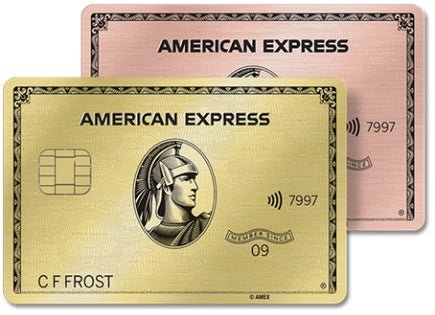
Does the American Express Gold Card have foreign transaction fees? For travelers heading overseas or shopping with international retailers, this is a critical question that impacts the total cost of every purchase. The short answer for US cardholders is that the American Express Gold Card does not charge foreign transaction fees. MoneyAtlas tracks these terms across hundreds of cards to help consumers see the real cost of their spending. This post covers how these fees work, why the Gold Card stands out for international use, and how to spot hidden costs like dynamic currency conversion. Understanding these fees ensures that rewards earned while traveling are not wiped out by surcharges.
Understanding Foreign Transaction Fees
A foreign transaction fee is a surcharge added by a credit card issuer on purchases made outside the country of issue. These fees also apply to transactions made in a foreign currency or those processed through a foreign bank. Even if you are sitting at home in the United States, buying an item from a website based in the United Kingdom might trigger this fee.
The fee typically consists of two parts. One part is a charge from the payment network, such as American Express, Visa, or Mastercard. The second part is a markup from the card issuer, such as a specific bank. Most cards that carry this fee charge between 2.7% and 3% of the total transaction amount. While 3% may seem small, it adds $30 to every $1,000 spent.
MoneyAtlas compares these costs side by side because they can significantly impact the value of credit card rewards. If a card earns 2% back on purchases but charges a 3% foreign transaction fee, the cardholder is effectively losing 1% on every international transaction. You can also review the latest credit card APR mechanics and fee details before comparing offers.
For the American Express Gold Card issued in the United States, the foreign transaction fee is 0%. This feature is a primary selling point for the card, positioning it as a premium travel and dining tool. See our American Express Gold Card review for a broader look at its rewards, annual fee, and travel benefits.
It is important to distinguish between the US version of the card and versions issued in other countries. In some regions, like the United Kingdom, the American Express Preferred Rewards Gold Credit Card may charge a currency conversion fee, often around 2.99%. This article focuses on the US version of the American Express Gold Card.
Why the 0% Fee Matters for Gold Cardholders
The American Express Gold Card is well known for its rewards structure, particularly the 4X Membership Rewards points earned at restaurants worldwide. Because the card does not charge foreign transaction fees, cardholders can earn these high reward rates at cafes in Paris or sushi spots in Tokyo without any extra costs.
How American Express Compares to Other Cards
When evaluating the American Express Gold Card, it helps to see how it sits within the broader landscape of credit products. Many entry level cards or cash back cards still carry a 2.7% or 3% fee. In contrast, most premium travel cards waive this fee to encourage international use. Browse the best credit card comparison to compare rewards, fees, and travel benefits.
Card Name
Foreign Transaction Fee
Primary Use Case
American Express Gold Card
0%
Dining and global travel
American Express Platinum Card
0%
Luxury travel and lounges
Blue Cash Everyday Card
2.7%
US based cash back
American Express Green Card
0%
Broad travel and transit
Hilton Honors American Express Card
0%
Global hotel stays
As shown in the table, American Express eliminates this fee on many of its travel centered cards. However, for cards designed primarily for domestic use, like the Blue Cash Everyday, the fee remains. If you frequently shop on international websites or travel abroad, compare travel credit cards against your current options.
The Hidden Cost of Dynamic Currency Conversion
Even with a card like the American Express Gold that has 0% foreign transaction fees, you can still face extra costs abroad. This happens through a process called Dynamic Currency Conversion (DCC).
When you pay at a foreign merchant, the point of sale terminal may ask if you want to pay in US dollars or the local currency. This sounds convenient because it shows you exactly how much you are spending in your home currency. However, choosing to pay in US dollars allows the merchant's bank to set the exchange rate.
These rates are almost always worse than the rate American Express provides. A merchant might apply a markup of 3% to 7% for the convenience of showing you the price in dollars. To avoid this, always choose to be charged in the local currency. Your card issuer will handle the conversion at a much more competitive rate.
How to Verify Fees on Your Statement
If you are unsure if your specific card charges a fee, the most reliable way to check is your cardmember agreement. You can also look at your past statements. If a foreign transaction fee was applied, it will appear as a separate line item immediately following the purchase.
How to Verify Fees on Your Statement
1
Log in
Log in to your online account or mobile app.
2
Download statement
Download your most recent billing statement.
3
Review fees
Look for the "Fees" section or scan your transactions for descriptions like "Foreign Transaction Fee."
4
Check the rate
If you see a fee that equals roughly 2.7% of a recent international purchase, your card likely carries this surcharge.
MoneyAtlas makes it easier to compare these details across 1,500+ products before you apply, helping you avoid surprises on your statement. You can browse the MoneyAtlas credit card reviews for additional product-level details.
Other Costs to Watch When Traveling
While the American Express Gold Card waives transaction fees for purchases, other costs still apply when using the card abroad.
Cash Advance Fees
Using a credit card at an ATM is considered a cash advance. This is generally an expensive way to get local currency. American Express typically charges a cash advance fee, often around $10 or 5% of the withdrawal, whichever is greater. Additionally, interest on cash advances usually starts accruing immediately at a higher rate than the standard purchase APR.
ATM Operator Fees
The 0% foreign transaction fee only applies to what American Express charges. The owner of the ATM may still charge its own fee for using the machine. These are separate from your card terms and are set by the local bank.
Exchange Rate Markups
No credit card uses the exact "mid market" rate you see on Google. While American Express offers competitive rates, there is often a very small difference between the rate they use and the theoretical interbank rate. This is standard across all credit card networks.
Managing Your Card While Abroad
To ensure a smooth experience when using your American Express Gold Card outside the US, a few proactive steps are useful.
Check the expiration date: Ensure your card will not expire while you are away.
Update your contact info: Ensure your mobile number is current so you can receive fraud alerts or verification codes.
Download the app: The American Express app allows you to monitor spending in real time and freeze your card if it is lost.
Carry a backup: American Express is widely accepted, but it is not as universal as Visa or Mastercard in some regions. Carrying a second card from a different network is a common strategy for international travelers.
Is the Amex Gold Right for International Travel?
The American Express Gold Card is a strong contender for travelers because of the 0% foreign transaction fee combined with high earning rates on dining. For someone who spends significantly on food while traveling, the rewards can be substantial.
However, acceptance is a factor to consider. While acceptance has grown significantly, some smaller merchants in rural areas or certain countries may only accept local cards or cash. For someone prioritizing total global acceptance, a Visa or Mastercard with no foreign transaction fees may be a useful secondary card to compare.
MoneyAtlas provides tools to help you evaluate whether the annual fee of the Gold Card is offset by these benefits. If you spend $250 per month on international dining, you would save about $81 annually just by avoiding a 2.7% fee, on top of the points earned.
Final Decision Factors
When deciding if the American Express Gold Card fits your needs, look beyond just the foreign transaction fee. The card carries an annual fee, so the total value depends on how much you use the specific credits and rewards it offers.
If you are a frequent traveler who spends heavily at restaurants and supermarkets, the 0% foreign transaction fee ensures you keep the full value of the points you earn. For those who primarily spend within the US, the fee status is less important than the local reward categories. Comparing no annual fee credit cards can also help put the Gold Card's annual fee into context.
FAQ
Summary
The American Express Gold Card is a practical tool for international spending because it waives foreign transaction fees. This allows cardholders to earn 4X points on dining worldwide without the 2.7% to 3% surcharges common on many other cards. To maximize savings, travelers should always choose to pay in the local currency to avoid merchant markups via dynamic currency conversion. While the Gold Card is excellent for purchases, users should avoid using it for ATM withdrawals due to high cash advance fees. Using the MoneyAtlas credit card comparison tools can help you determine if the Gold Card or another travel card is the best fit for your specific spending habits.
Ready to pick a card?
Compare the cards our editors rate highest right now, side by side, with the fees and rewards that matter.
Wondering what is the difference between American Express Gold and Platinum? Compare annual fees, 4X vs 5X rewards, and luxury travel perks to find your fit.