Are American Express Gold Cards Metal? Design and Value Explained


Introduction
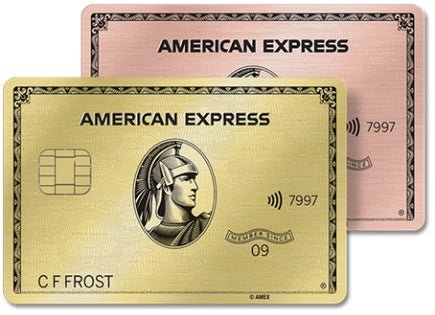
The American Express Gold Card is one of the most recognizable pieces of cardholder hardware in the financial world. Many people ask if the American Express Gold Card is metal because the physical weight and feel of a card can signal a certain level of premium service. The short answer is yes. Since 2018, the standard Gold Card and the popular Rose Gold version have been manufactured with a stainless steel core.
MoneyAtlas helps consumers evaluate whether the physical perks of a card align with its actual financial utility. While the metal construction offers durability and a distinct aesthetic, the true value of the card lies in its rewards structure and annual credits. This article covers the specifications of the metal design, how it compares to other premium cards, and the financial factors to weigh before applying for this specific product.
The Physical Specifications of the Metal Gold Card
The American Express Gold Card is primarily made of stainless steel. This shift from plastic was part of a broader trend among card issuers to provide a more tactile, high-end experience for mid-tier and luxury cardholders.
The card weighs approximately 15 grams. For comparison, a standard plastic credit card typically weighs about 5 grams. This extra weight makes the card feel substantial in a wallet and prevents it from bending or snapping as easily as plastic alternatives.
Rose Gold vs. Classic Gold
Applicants currently have the choice between two metal finishes: the classic Gold and the Rose Gold. Both versions are made of the same metal materials. The Rose Gold version was originally a limited-edition release but has since become a permanent option due to high demand. There is no functional difference between the two colors. Both feature the same benefits, fees, and metal construction.
Contactless Technology in Metal
A common concern with metal cards is whether they support contactless payments. Metal can interfere with the radio frequency identification (RFID) signals used for "tap to pay" transactions. To solve this, the American Express Gold Card features a thin plastic or PVC back or a specialized internal antenna system. This allows the card to function at any contactless terminal while maintaining a metal front and core.
Why Metal Cards Matter to Consumers
The rise of metal cards is largely driven by marketing and perceived value. For many, a metal card is a status symbol. It makes a distinct sound when placed on a table and feels different during a transaction. However, from a practical standpoint, there are both benefits and drawbacks to carrying a metal card.
Durability
Plastic cards often peel at the edges or crack after a few years of use. Metal cards are significantly more durable. They resist bending and the "delamination" process where the printed layers of a plastic card begin to separate. This is particularly useful for those who travel frequently or use their card daily at high-volume merchants like grocery stores.
Security and Disposal
The physical strength of a metal card is a security benefit because the card is harder to accidentally damage, but it poses a challenge when the card expires. When a plastic card expires, a pair of scissors is enough to destroy the account information. With a metal card, cardholders must usually mail the card back to the issuer in a prepaid envelope so it can be safely melted down or recycled.
Evaluating the $325 Annual Fee
While the metal design is a permanent feature, the cost of carrying the card is a recurring financial decision. The American Express Gold Card carries a $325 annual fee. To determine if a metal card is worth this cost, it is necessary to look at the math behind the rewards and credits. For more guidance, see this guide to evaluating credit card annual fees, interest rates, and rewards.
The Math of Statement Credits
A statement credit is a frequent feature of premium cards where the issuer effectively reimburses the cardholder for specific types of spending. The Gold Card offers several credits that can offset the $325 fee:
- $120 Dining Credit: This is distributed as up to $10 per month in credits for purchases at participating partners like Grubhub, The Cheesecake Factory, and Five Guys.
- $120 Uber Cash: When the card is added to the Uber app, cardholders receive $10 in Uber Cash each month, which can be used for Uber Eats orders or Uber rides in the U.S.
- $100 Resy Credit: This provides up to $50 in statement credits semi-annually for purchases at eligible U.S. Resy restaurants.
- $84 Dunkin' Credit: This offers up to $7 monthly in credits for purchases at U.S. Dunkin' locations.
If someone already spends money at these businesses, these credits can bring the effective cost of the card down significantly. If these are not businesses the cardholder normally frequents, the "metal" status may come at a high price.
Understanding the Rewards Structure
The American Express Gold Card is frequently cited as one of the best cards for food-related spending. It earns Membership Rewards points, which is the proprietary currency used by the issuer. These points can be redeemed for travel, gift cards, or statement credits, though the value per point varies by redemption method. You can compare similar earning structures in MoneyAtlas's rewards credit card rankings.
4X Points on Restaurants and Supermarkets
The card offers 4X points at restaurants worldwide, including takeout and delivery in the U.S. This applies on up to $50,000 in purchases per calendar year. It also offers 4X points at U.S. supermarkets on up to $25,000 in purchases per calendar year. After these caps are reached, the earning rate drops to 1X.
3X Points on Flights
For travel, the card earns 3X points on flights booked directly with airlines or through the issuer’s travel portal. While this is lower than the 5X offered by some high-tier cards, it remains competitive for a mid-tier metal card.
How the Gold Card Compares to Other Metal Cards
MoneyAtlas tracks dozens of metal cards across different issuers. The American Express Gold Card sits in a unique middle ground between entry-level travel cards and luxury "black" cards. Readers can compare the broader selection of credit cards before narrowing their choices.
Gold Card vs. The Platinum Card®
The Platinum Card is also metal and significantly heavier, weighing about 17 to 18 grams. However, the Platinum Card has a much higher annual fee, currently $695. The Platinum Card is designed for the frequent flyer who wants airport lounge access, whereas the Gold Card is designed for the person who spends the most on daily living expenses like food.
Gold Card vs. Chase Sapphire Preferred®
The Chase Sapphire Preferred is another popular metal card. It has a much lower annual fee, typically around $95. It is also metal, but it is often described as feeling slightly thinner or lighter than the Amex Gold. The choice between these two often comes down to which ecosystem of points a person prefers: American Express Membership Rewards or Chase Ultimate Rewards.
The Mechanics of a Charge Card
It is important to note that the American Express Gold Card is technically a charge card, not a traditional credit card. While the distinction has blurred in recent years, it still affects how the card is managed. For a broader explanation of borrowing costs, read how credit card APR affects your wallet.
No Preset Spending Limit
A charge card does not have a "fixed" credit limit in the same way a traditional card does. Instead, it has "no preset spending limit." This does not mean spending is unlimited. Instead, the limit adjusts based on factors like your payment history, credit record, and financial resources. This can be beneficial for someone making a large, one-time purchase that might exceed a traditional credit limit.
Pay Over Time
Historically, charge cards had to be paid in full every month. The Gold Card now includes a "Pay Over Time" feature. This allows cardholders to carry a balance on certain purchases with interest, similar to a traditional credit card. The Annual Percentage Rate (APR) for Pay Over Time is variable and based on market rates and creditworthiness.
Managing and Disposing of Your Metal Card
Because the card is metal, it requires different handling than the plastic cards most people are used to.
What to do if the card is lost
If you lose your metal Gold Card, the issuer will typically send a replacement via expedited shipping. Because these cards are more expensive to produce than plastic ones, issuers are generally careful about the replacement process, though they do not usually charge a fee for a standard replacement.
How to destroy a metal card
When your card expires or if you close the account, do not put the card in a shredder. You can use a pair of heavy-duty tin snips if you are determined to destroy it yourself, but the safest method is to use the return envelope provided by the issuer. They will dispose of the metal and the embedded chip securely.
Is the Metal Design Worth It?
The physical design of the American Express Gold Card is an undeniable part of its appeal. However, a financial product should never be chosen based on its weight or material alone. The card is best suited for individuals who:
- Spend heavily on food: If your largest monthly expenses are at the supermarket or restaurants, the 4X earning rate is difficult to beat.
- Can use the credits: If you already use Uber and Grubhub, the credits effectively pay for a large portion of the annual fee.
- Value travel flexibility: Membership Rewards points are highly flexible and can be transferred to various airline and hotel partners.
Before applying, it is helpful to use comparison tools to see how the Gold Card’s earning potential stacks up against other metal and plastic options. MoneyAtlas provides side-by-side breakdowns of these cards to help you see the real-world value based on your specific spending habits. You can also review the American Express Gold Card in detail.
Summary of the American Express Gold Card
The American Express Gold Card is a premium metal card that offers high rewards for dining and groceries. While the $325 annual fee is higher than many entry-level cards, the inclusion of over $400 in potential annual credits makes it a compelling option for those who can maximize its benefits.
Next Steps for Potential Applicants:
- Review your last three months of bank statements to calculate your average spend on groceries and dining.
- Determine if you already shop at the merchants where statement credits apply.
- Compare the Gold Card against other metal cards using the MoneyAtlas comparison tool to ensure you are getting the best rewards rate for your lifestyle.
FAQ
MoneyAtlas Staff
Articles and reviews from the MoneyAtlas editorial team — independent research on credit cards, banking, loans, insurance, and investing.
Related Articles

Which Card Is Better: American Express Gold or Platinum?
Deciding which card is better: American Express Gold or Platinum? Compare fees, 4X dining rewards, and luxury travel perks to find your perfect match.

Should I Get an American Express Gold Card? Breaking Down the Value
Should I get an American Express Gold card? Explore the 4X rewards on dining and groceries vs. the $325 fee to see if this premium card fits your budget.

How to Get the American Express Gold Card: A Practical Guide
Learn how to get the American Express Gold Card with our guide on credit score requirements, income, and the 'Apply with Confidence' tool. Apply today!