
InvestingApril 22, 2025
Brokerage Account vs Mutual Fund: Pros, Cons & Best Uses
A brokerage account lets you trade individual stocks, while a mutual fund offers a managed portfolio of diversified investments. Learn more here!
Continue Reading


When exploring ways to invest, your first step should be to compare an advisory account vs a brokerage account. The difference between advisory and brokerage account structures comes down to two questions: who makes the buy and sell decisions, and how you pay for them. An advisory account charges a percentage of your balance every year and hands the decisions to a professional. A brokerage account charges per trade, or nothing at all on most stocks and ETFs, and leaves the choices with you. Here is how the two compare on cost, control and legal protection, and which one tends to fit whom.
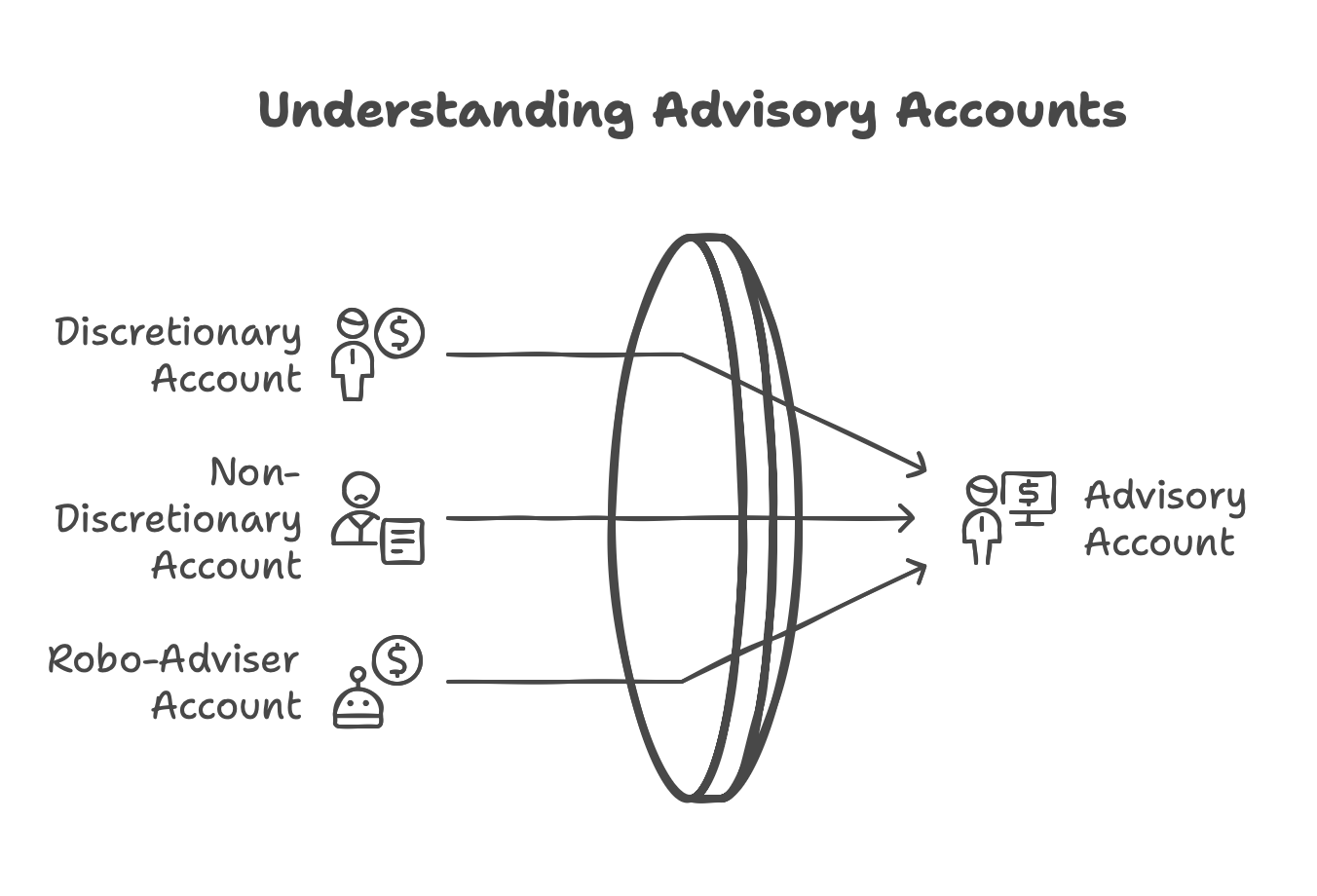
An advisory account is an account managed by an investment adviser for an annual fee based on a percentage of your assets under management (AUM). The adviser recommends stocks, bonds, or other securities for you to invest in depending on your financial goals and risk tolerance. They also provide ongoing monitoring and advice as the markets or your needs change.
Advisory accounts are best if you:
Investment advisers are licensed professionals who provide investment advice to their clients. They are legally bound to a fiduciary standard, requiring them to put their clients' interests above all else.
In an advisory relationship, the investment adviser develops a tailored investment strategy based on your income, age, risk tolerance, and goals. They will then make investments on your behalf or recommend certain securities for you to purchase.
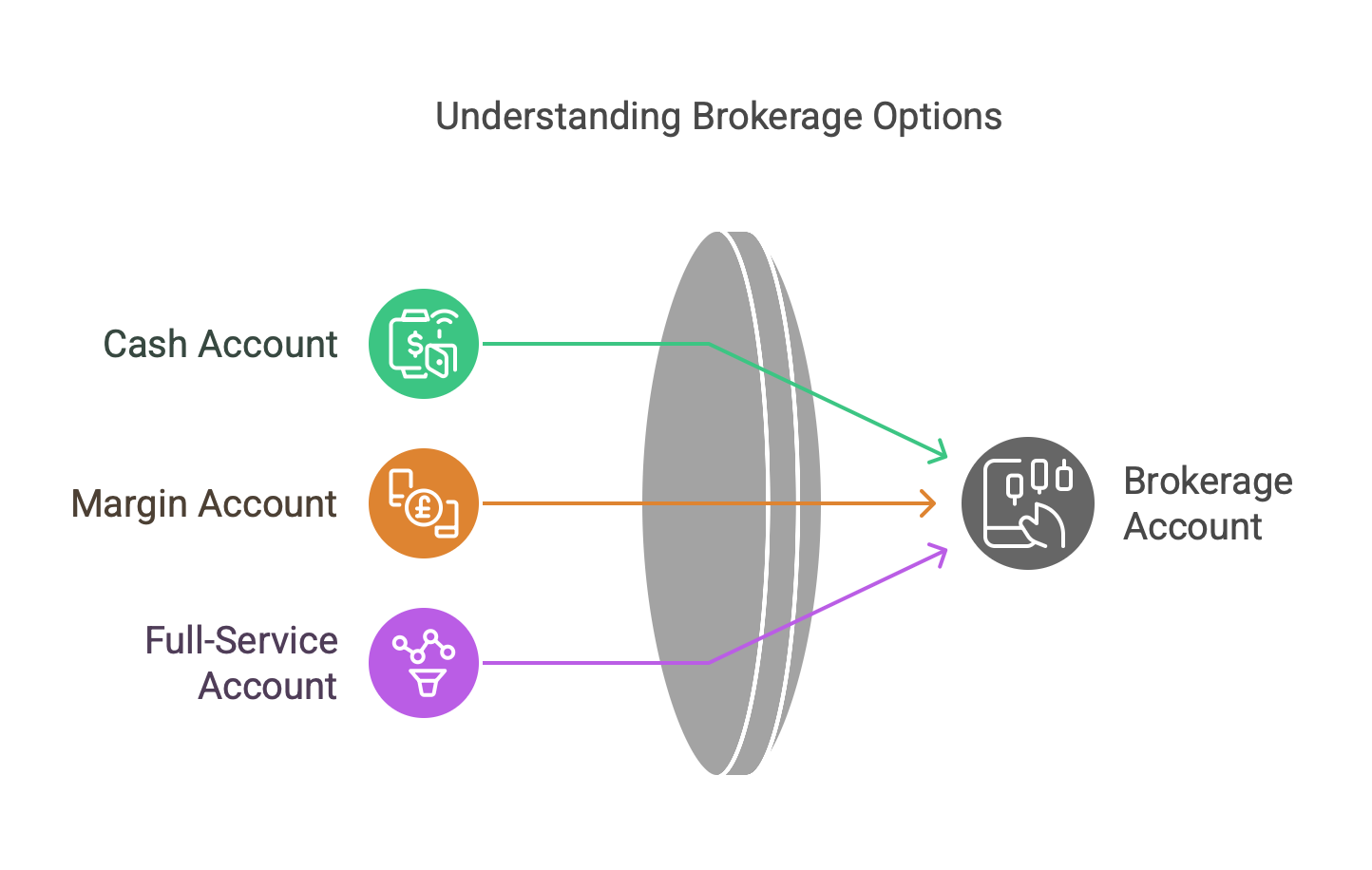
A brokerage account lets you purchase and hold various financial instruments. Unlike an advisory account, it's designed for self-directed investing instead of a managed approach. Some brokers charge fees for each transaction, but many now offer commission-free trading for most stocks. Further, transaction fees may still apply when buying or selling mutual funds or foreign securities.
Brokerage accounts are best if you:
While some brokers may offer personalized guidance, brokerage services generally are restricted to buying and selling financial instruments. In addition, brokers are held to a suitability standard instead of a fiduciary one. This means that they are required to make recommendations appropriate to your financial goals but aren't required to put your needs ahead of their own.
Before making a decision, be sure to review your best brokerage account options.
When deciding between a brokerage vs advisory account, it's helpful to see how they differ.
By understanding the key differences between advisory accounts and brokerage accounts, you can confidently choose the one that best aligns with your financial goals.
Every regulator page and brokerage disclosure on this topic will tell you an advisory account charges a percentage of assets under management. Almost none of them show what that percentage does over a decade. Here is the arithmetic on a $250,000 balance growing 7% a year before fees, with no additional contributions: a 1.00% advisory fee on one side, a self-directed portfolio holding index funds at a 0.05% expense ratio on the other.
Forty-two thousand dollars is what the advice costs on a quarter-million-dollar portfolio over ten years, and the gap widens every year because the fee compounds against you. That does not automatically make advisory accounts a bad deal. Tax-loss harvesting, rebalancing discipline and talking someone out of selling in a downturn are worth real money, and for a lot of investors they are worth more than 1%. But you should know the number you are paying it out of. If the only thing you want is someone to pick index funds, you are paying a management fee for a decision you could make once and leave alone. The same math is worth running when you compare a brokerage account versus a high-yield savings account, or when you weigh brokerage accounts and mutual funds.
The legal standard differs, and it is the part most comparisons skip. An investment adviser managing an advisory account owes you a fiduciary duty: it must put your interest ahead of its own for the life of the relationship. A broker-dealer recommending a security in a brokerage account is held to Regulation Best Interest, which is stricter than the old suitability standard but applies at the moment of the recommendation rather than continuously. Both firms must hand you a Form CRS disclosures summary that states, in plain language, how they are paid and what conflicts they carry. Read it before you sign anything. FINRA's comparison of account types and the SEC's guidance on account types both cover the same ground from the regulator's side.
One protection is identical either way, and it is the one people ask about most. SIPC insurance covers up to $500,000 per customer per firm if the brokerage itself fails, including a $250,000 limit on cash. It applies to advisory and brokerage accounts alike, and it covers custodial failure, not investment losses. A portfolio that drops 30% in a bad quarter is not an SIPC claim. If you hold more than $500,000 at one firm, splitting across custodians is the usual answer. Worth checking what a given platform charges before you move anything: SoFi's self-directed brokerage is one of the zero-commission options, and you can compare investing platforms side by side.
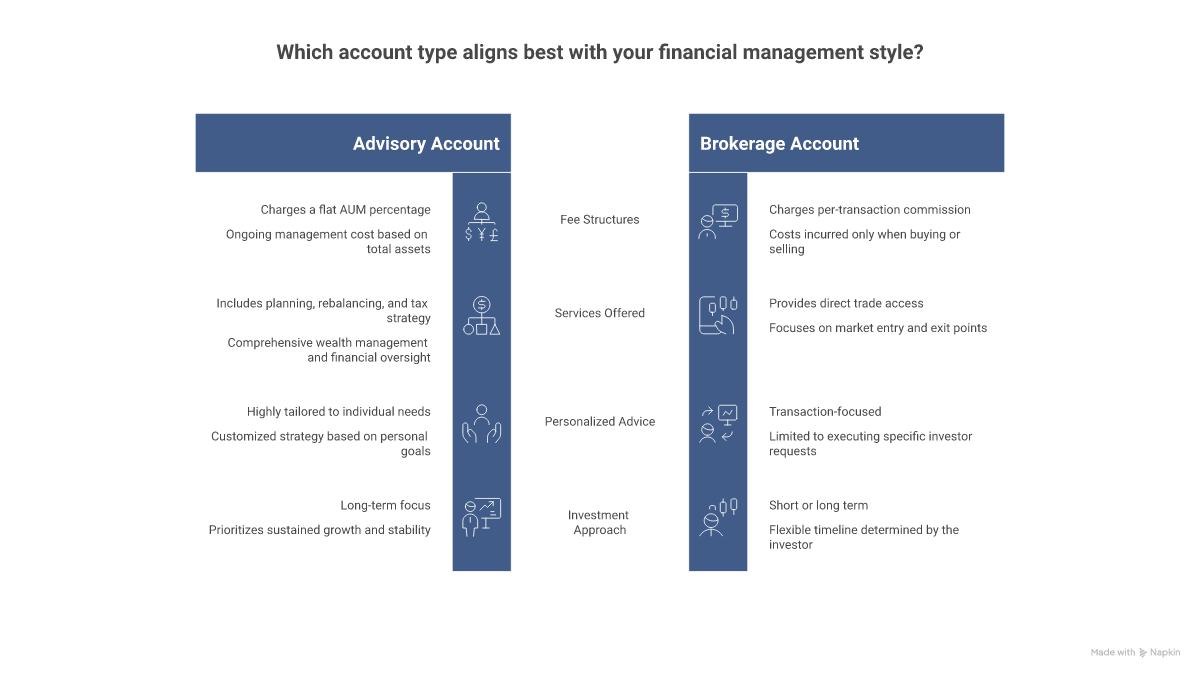
Picking between the two comes down to four practical questions. Your answers usually point clearly to one option, or sometimes to using both.
Yes, and many investors do. A common setup pairs an advisory account for retirement money (managed for the long haul) with a brokerage account for taxable, hands-on investing. Most major firms, like Morgan Stanley, E*Trade, and Fidelity, let you hold both under one login. If you're weighing where to park money outside investing entirely, our brokerage account vs high-yield savings breakdown covers that decision. For tax-advantaged retirement money specifically, the Roth IRA vs brokerage account comparison shows how account type and tax wrapper interact.
Choose an advisory account when you want a professional making investment decisions for you and you're willing to pay a percentage of assets for that service. Choose a brokerage account when you'd rather control your own trades and keep ongoing fees minimal. For most investors with under $100,000 invested, a brokerage account is the better starting point, with the option to add advisory services later as the portfolio grows and complexity creeps in.
When you're ready to open one, compare top brokerage accounts on MoneyAtlas to find a fit for your fees, minimums, and tools.
Compare brokerages on fees, tools and account types.
Compare brokeragesA brokerage account lets you trade individual stocks, while a mutual fund offers a managed portfolio of diversified investments. Learn more here!

Not sure whether to invest in a Roth IRA or a brokerage account? Compare tax benefits, risks, and long-term growth potential to make the right choice.

Looking for a safe crypto exchange? Discover the most secure platforms for trading, key security features, and tips to protect your investments.