Which Credit Card Has 0 Interest Rate? Best 0% APR Options


Introduction
Finding which credit card has 0 interest rate is a common goal for anyone looking to finance a large purchase or pay down existing high-interest debt. These cards, often called 0% intro APR cards, provide a window of time where the issuer does not charge interest on your balance. MoneyAtlas tracks these offers across the market to help you determine which cards provide the longest windows and the best terms for your specific needs. If you want a broader starting point, start with our best credit cards comparison. This article covers how these promotional rates work, the difference between purchase and balance transfer offers, and the specific cards currently offering the longest interest-free periods. By understanding the fine print and comparing the current landscape, you can choose a card that helps you save on interest and reach your financial goals faster.
How 0% Interest Credit Cards Work
A 0% interest credit card is not a permanent interest-free loan. Instead, it is a promotional offer provided by banks to attract new customers. The 0% rate is an introductory Annual Percentage Rate (APR). The APR is the yearly cost of borrowing money on the card, including interest and some fees. If you want a deeper primer on how interest works, this guide to APR on a credit card is a useful next step.
During this introductory period, which typically lasts between 12 and 21 months, the bank does not charge interest on the portion of your balance covered by the offer. There are two primary types of 0% interest offers to distinguish between when comparing cards.
0% Intro APR on Purchases
This offer applies to new things you buy with the card. If you buy a $2,000 refrigerator on a card with a 15-month 0% intro purchase APR, you can pay that $2,000 back over 15 months without paying a cent in interest. You still must make at least the minimum monthly payment to keep the account in good standing.
0% Intro APR on Balance Transfers
This offer is designed for debt consolidation. It allows you to move debt from a high-interest credit card to a new card with a 0% rate. This stops interest from accruing on that old debt, allowing your entire payment to go toward the principal balance. Most of these offers require you to complete the transfer within a specific timeframe, such as 60 or 120 days from account opening. For a side-by-side look, see the balance transfer credit card comparison.
Top Credit Cards with 0% Interest Rates
When looking for a 0% interest card, the "best" option depends on whether you value the longest possible time to pay off debt or if you want to earn rewards while you pay. MoneyAtlas categorizes these cards by their primary strengths. For more options, you can also browse the credit card reviews index.
Cards with the Longest 0% Windows
If your primary goal is the maximum amount of time to pay off a balance, these cards are currently among the market leaders.
- Wells Fargo Reflect Card: This card is known for one of the longest 0% introductory periods available. It currently offers 0% intro APR for 21 months from account opening on both purchases and qualifying balance transfers. After that, a variable APR of 17.49%, 23.99%, or 28.24% applies.
- Citi Diamond Preferred Card: This is another strong contender for debt consolidation. It offers 0% intro APR on balance transfers for 21 months and on purchases for 12 months. The variable APR after the intro period is 16.49% to 27.24% based on creditworthiness.
- BankAmericard credit card: This card offers 0% intro APR for 21 billing cycles on both purchases and balance transfers made within the first 60 days. After the intro period, a variable APR of 14.99% to 25.99% applies.
0% APR Cards with Cash Back Rewards
These cards offer shorter 0% windows, typically 15 months, but they allow you to earn cash back on your spending.
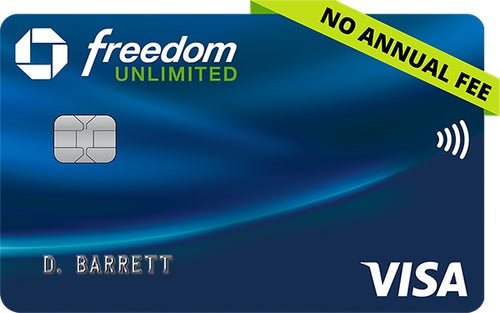
- Chase Freedom Unlimited: This card offers 0% intro APR for 15 months on purchases and balance transfers. It also earns at least 1.5% cash back on all purchases. After the intro period, the variable APR is 18.24% to 27.74%.
- Capital One Quicksilver Cash Rewards Credit Card: You can get 0% intro APR for 15 months on purchases and balance transfers. It earns unlimited 1.5% cash back on every purchase. After 15 months, a variable APR of 18.49% to 28.49% applies. For a full breakdown, see the Capital One Quicksilver Cash Rewards Credit Card review.
- Discover it Cash Back: This card provides a 0% intro APR for 15 months on purchases and balance transfers. It features 5% cash back in rotating categories each quarter you activate, on up to $1,500 in spending, and 1% on all other purchases. You can also read the Discover it Cash Back review.
The Cost of 0% Interest: Understanding Fees
While the interest rate is 0%, these cards are not always free to use. There are two main costs to look for when comparing options.
Balance Transfer Fees
Almost every card that offers a 0% rate on balance transfers charges a fee to move the money. This fee is typically 3% or 5% of the total amount transferred. For example, if you transfer $5,000 to a card with a 5% fee, $250 is added to your balance immediately. Even with this fee, a balance transfer can save you hundreds or thousands of dollars if you are currently paying 20% interest or more on your debt. If you are comparing fee structures, the best no annual fee credit cards can help narrow the field.
Annual Fees
Most dedicated 0% interest cards do not charge an annual fee. However, some premium rewards cards that include a 0% intro APR might. For the purpose of saving on interest or paying down debt, choosing a card with a $0 annual fee is usually the most cost effective strategy.
0% APR vs. Deferred Interest: A Critical Difference
It is vital to distinguish between a true 0% APR offer and "deferred interest," which is common on retail or store credit cards.
True 0% APR: If you do not pay off the full balance by the end of the intro period, you only pay interest on the remaining balance from that date forward.
Deferred Interest: If you fail to pay the entire balance by the end of the promotional period, the issuer may charge you interest on the full original purchase price, going all the way back to the day you bought it. This can result in a massive, unexpected bill. For a fuller explanation, read how 0 APR credit cards work. Always read the terms to ensure the offer is a true 0% intro APR.
How to Choose the Right 0% Card
Choosing the right card requires a clear understanding of your financial objective. You can use MoneyAtlas to compare dozens of cards side by side, but you should keep these criteria in mind.
1. Identify Your Goal
If you have $10,000 in credit card debt, your priority is likely the longest possible 0% window for balance transfers. In this case, a 21-month card like the Wells Fargo Reflect is worth comparing. If you are planning to spend $1,000 on a new laptop and want to earn cash back while paying it off, a 15-month rewards card like the Capital One Quicksilver might be a better fit.
2. Check the Fee Structure
Compare the balance transfer fees. A card with an 18-month 0% window and a 3% fee might be better for you than a card with a 21-month window and a 5% fee, depending on how fast you can pay off the debt.
3. Review Your Credit Score
Most 0% interest credit cards require good to excellent credit. This typically means a FICO score of 670 or higher. If your score is in the fair range (580 to 669), your options for a 0% rate will be more limited, and you may need to look at cards specifically designed for building credit.
4. Evaluate the Ongoing Value
Consider what you will do with the card once the 0% period ends. If the card has no rewards and a high ongoing APR, it might sit in your drawer. If it is a rewards card, it can serve as your primary spending tool for years to come. For more context on long-term pricing, see what APR is good for credit card purchases.
Step-by-Step: Using a 0% Card to Eliminate Debt
If you are using one of these cards to pay off debt, follow these steps to maximize your savings.
Using a 0% Card to Eliminate Debt
- 1
Calculate your monthly payment
Divide your total balance by the number of months in the intro period. For a $3,000 balance and a 15-month offer, you need to pay $200 per month to hit zero by the deadline.
- 2
Set up autopay
Missing a payment can void the 0% offer. Set up an automatic payment for at least the minimum amount, though ideally for the amount calculated in Step 1.
- 3
Stop spending on the card
If you are doing a balance transfer to pay off debt, adding new purchases to the card can make it harder to track your progress and may lead to a growing balance.
- 4
Monitor the expiration date
Mark your calendar for two months before the 0% period ends. This gives you time to make a final push to pay off any remaining balance before interest kicks in.
Comparing Your Options with MoneyAtlas
The landscape of 0% interest credit cards changes frequently as banks update their offers. While one card may have the longest window today, another might offer a lower balance transfer fee tomorrow.
MoneyAtlas makes it easier to compare over 1,500 financial products, including the latest 0% APR offers. Our comparison tools allow you to filter cards by intro period length, rewards type, and credit score requirements. If you want another helpful overview, read Are There Credit Cards With 0 APR?. Rather than visiting every bank's website individually, you can see the tradeoffs clearly on one page.
When you are ready to choose, look for a card that matches your payoff timeline. If you need more than 21 months to pay off a balance, a personal loan might be a more appropriate tool, as it offers longer repayment terms, even though it will carry an interest rate.
FAQ
Summary of 0% Interest Cards
Using a 0% interest credit card is an effective way to manage large expenses or consolidate debt without the burden of interest charges. Whether you choose a card with the maximum 21-month window or a 15-month card that earns rewards, the key is having a clear payoff plan.
- Compare purchase vs. balance transfer offers to ensure the 0% rate applies to your specific need.
- Account for balance transfer fees, which usually range from 3% to 5%.
- Ensure you have a credit score of 670 or higher for the best chance of approval.
- Always pay off the balance before the introductory period ends to avoid high interest charges.
To find the most competitive offers available right now, use the MoneyAtlas comparison tools to view cards side by side and find the right fit for your financial situation.
MoneyAtlas Staff
Articles and reviews from the MoneyAtlas editorial team — independent research on credit cards, banking, loans, insurance, and investing.
Related Articles

Which Card Is Better: American Express Gold or Platinum?
Deciding which card is better: American Express Gold or Platinum? Compare fees, 4X dining rewards, and luxury travel perks to find your perfect match.

Should I Get an American Express Gold Card? Breaking Down the Value
Should I get an American Express Gold card? Explore the 4X rewards on dining and groceries vs. the $325 fee to see if this premium card fits your budget.

How to Get the American Express Gold Card: A Practical Guide
Learn how to get the American Express Gold Card with our guide on credit score requirements, income, and the 'Apply with Confidence' tool. Apply today!