What Is the Normal Credit Card Interest Rate


Introduction
Determining what counts as a normal credit card interest rate is a moving target because the market shifts based on federal policy and individual creditworthiness. For most Americans, the question is not just what the average is, but whether the rate on their own statement is competitive. A high interest rate can significantly increase the cost of carrying a balance, while a lower rate can provide more flexibility during months when a full payment is not possible.
MoneyAtlas tracks these trends across more than 1,500 financial products to help you see how your accounts measure up. This guide breaks down current average rates by credit score and card type, explains the mechanics of how banks set these numbers, and outlines how to evaluate your options. Understanding these benchmarks is the first step in deciding whether to stick with a current card or compare the best credit cards that might better suit your financial situation.
Current Benchmarks for Credit Card Interest Rates
The interest rate on a credit card is usually expressed as an Annual Percentage Rate, or APR. This represents the yearly cost of borrowing money on your card, including interest and certain fees. While many people think there is a single national average, the reality is a spectrum of rates based on the type of card and the issuer.
According to recent market data, the average APR on all credit card accounts assessed interest is approximately 22.63%. However, for new credit card offers, the average sits slightly higher, often around 23.79%. These figures have trended upward over the last several years, largely driven by the Federal Reserve's decisions to raise the federal funds rate to combat inflation.
The "normal" rate for you depends heavily on your credit profile. Issuers generally offer a range of APRs for a single card product. When you apply, the bank evaluates your credit history to determine where you fall within that range. If a card advertises an APR of 19% to 29%, a borrower with a high credit score is more likely to receive the 19% rate.
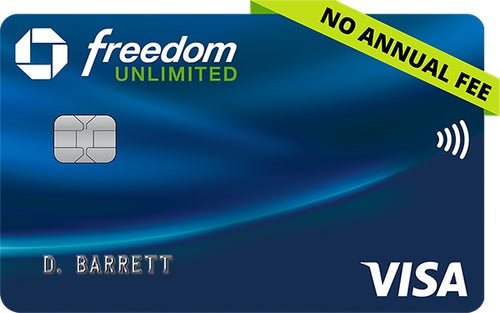
How Your Credit Score Influences the Rate
Your credit score is the primary factor an issuer uses to price the risk of lending to you. A higher score signals that you have a history of managing debt responsibly, which typically earns you a lower interest rate. Conversely, a lower score suggests a higher risk of default, leading issuers to charge a higher rate to offset that risk.
Excellent Credit (740 and Above)
Borrowers in this category have access to the most competitive rates in the market. For these individuals, a normal APR might fall between 17% and 20%. These cardholders are also the primary targets for 0% introductory APR offers on both purchases and balance transfers, which can last anywhere from 12 to 21 months.
Good Credit (670 to 739)
This is where the majority of American borrowers sit. A normal interest rate for someone with good credit is currently around 23% to 24%. While these rates are higher than those for the excellent credit tier, these borrowers still have access to a wide variety of rewards cards and travel perks.
Fair Credit (580 to 669)
For those with fair or "average" credit, interest rates start to climb significantly. It is common to see APRs in the 27% to 29% range. At this level, the focus of the card often shifts from rewards to credit building.
Poor Credit (Below 580)
Borrowers with poor credit or limited credit history often face the highest costs. Rates in this tier can reach 30% to 36%. In many cases, these individuals may need to look at secured credit cards, which require a cash deposit that serves as your credit limit. Even with a deposit, the APR on these cards remains high.
Interest Rates by Category and Card Type
Not all credit cards serve the same purpose, and the interest rates reflect these differences. A card designed for luxury travel rewards will almost always have a higher APR than a basic card offered by a local credit union.
Rewards and Travel Cards
Cards that offer cash back, airline miles, or hotel points tend to have higher interest rates. The issuer uses the interest income to help fund the rewards programs. For these cards, an average APR of 24% is common. If you plan to carry a balance month to month, the cost of interest will likely outweigh the value of any rewards you earn.
Low-Interest and Plain-Vanilla Cards
These cards offer few to no rewards but provide a lower ongoing APR. They are designed specifically for people who may need to carry a balance occasionally. A normal rate for a low-interest card might be between 13% and 18%. Many credit unions offer these types of cards as a member benefit.
Student Credit Cards
Student cards are intended for young adults building credit for the first time. Because students often have no credit history, these cards carry moderate risk for the bank. The average APR for student cards is often around 19% to 22%, which is lower than many retail or rewards cards but higher than premium options.
Retail and Store Cards
Credit cards branded by specific retailers often carry some of the highest interest rates in the industry. It is not unusual for a store card to have a fixed APR of 29% or higher, regardless of the borrower's credit score. While they offer discounts at the store, they are rarely the best choice for carrying a balance.
The Mechanics of How Your Rate Is Set
Most credit card interest rates are variable, meaning they can change over time. Understanding the formula behind your rate helps you predict when your monthly costs might go up or down.
The Prime Rate
The foundation of almost every credit card APR is the Prime Rate. This is a benchmark interest rate that banks charge their most creditworthy corporate customers. The Prime Rate is directly tied to the federal funds rate set by the Federal Reserve. When the Fed raises rates, the Prime Rate moves up by the same amount, usually within one or two billing cycles.
The Margin
The actual rate you pay is the Prime Rate plus a "margin" set by the issuer. For example, if the Prime Rate is 8.5% and your issuer’s margin for your credit tier is 15%, your total APR will be 23.5%. The margin is the part of the rate that remains constant unless the issuer notifies you of a change or your credit profile shifts significantly.
Compounding and Daily Interest
While the APR is an annual figure, credit card interest is usually calculated daily. The issuer takes your APR and divides it by 365 to find your daily periodic rate. This rate is then applied to your "average daily balance." Because interest compounds, you are essentially paying interest on the interest that was added to your balance the previous day. This is why credit card debt can grow so quickly if only minimum payments are made.
Different APRs for Different Transactions
It is a common misconception that a credit card has only one interest rate. In reality, a single card can have four or five different APRs depending on how you use it. You can find these listed in the "Schumer Box," which is the standardized table of fees and rates included in every credit card agreement.
Purchase APR
This is the rate applied to standard purchases of goods and services. When people talk about the "normal" credit card rate, this is usually what they mean.
Balance Transfer APR
This applies to debt moved from one credit card to another. While many cards offer a 0% introductory rate for balance transfers, the "go-to" rate after that period ends is often the same as the purchase APR. Some cards may charge a slightly higher or lower rate specifically for transfers. If debt consolidation is your main goal, the balance transfer card comparison is the best place to start.
Cash Advance APR
If you use your credit card to get cash from an ATM, you will likely be charged a much higher interest rate than you would for a purchase. Cash advance APRs often hover around 28% to 30%. Furthermore, cash advances usually do not have a grace period. Interest starts accruing the moment the cash is in your hand.
Penalty APR
If you fall 60 days behind on your payments, the issuer may trigger a penalty APR. This rate can be as high as 29.99% or more. It can apply to your existing balance and future purchases, making it much harder to pay off the debt.
How to Evaluate and Lower Your Current Rate
If your current rate feels high compared to the averages mentioned above, you have several ways to address it. You do not always have to accept the first rate you are given.
How to Evaluate and Lower Your Current Rate
- 1
Check your current APR
Look at your most recent credit card statement. The interest rate is usually listed on the last page in a section titled "Interest Charge Calculation." Compare this number to the current averages for your credit score tier.
- 2
Improve your credit profile
The most effective way to qualify for lower rates is to boost your credit score. This involves paying every bill on time and keeping your credit utilization, the amount of your total credit limit you are using, below 30%. As your score improves, you become eligible for better offers.
- 3
Negotiate with your issuer
If you have been a loyal customer and your credit score has improved since you opened the account, you can call the bank and ask for a rate reduction. Mention that you have seen lower rates advertised elsewhere. While they are not required to lower your rate, they may do so to keep you as a customer.
- 4
Use comparison tools
MoneyAtlas provides side-by-side comparisons of cards from hundreds of issuers. By looking at cards specifically designed for low interest or balance transfers, you can see if there is a better fit for your needs than your current card.
- 5
Consider a balance transfer
If you are currently paying 24% interest on a large balance, moving that debt to a card with a 0% introductory APR can save you hundreds or even thousands of dollars. Be sure to factor in the balance transfer fee, which is typically 3% to 5% of the amount transferred.
Strategies to Avoid Paying Interest Entirely
The "normal" interest rate only matters if you carry a balance. For many cardholders, the effective interest rate is 0% because they use the card strategically.
The most effective way to avoid interest is to take advantage of the grace period. Most credit cards offer a grace period of at least 21 days between the end of a billing cycle and the date your payment is due. If you pay your "statement balance" in full by the due date every month, the issuer will not charge you interest on your purchases.
This grace period only applies if you start the month with a zero balance. If you carry even a small amount of debt over from the previous month, the grace period is usually revoked. At that point, every new purchase begins accruing interest immediately. For a deeper breakdown of timing, see when APR kicks in on credit cards.
To stay in the interest-free zone:
- Set up automatic payments for the full statement balance.
- Monitor your spending throughout the month to ensure you can afford the full payment.
- Avoid cash advances, which generally do not have a grace period.
- If you must carry a balance, prioritize paying off the cards with the highest APRs first.
Comparing Your Options with MoneyAtlas
The credit card market is highly competitive, and issuers are constantly updating their rates and terms to attract new customers. Because of this, the card that was the best deal for you two years ago might no longer be the best choice today.
MoneyAtlas makes it easier to compare over 1,500 products across every major financial category. By looking at expert ratings and side-by-side breakdowns of fees and terms, you can see how your current card stacks up against the market. Whether you are looking for the lowest possible ongoing rate, a long 0% intro period, or a high-rewards card for travel, having the data in front of you allows for a more informed decision. If you want to browse rate-focused options, explore current credit card options and compare the top picks side by side.
We believe that transparency in the fine print is the best way to help Americans navigate their financial choices. Use our comparison tools to filter cards by your credit score and the features that matter most to you. This process helps ensure that you are not paying more in interest than is necessary for your specific financial profile. For a broader look at low-cost choices, browse no annual fee credit cards and see whether a simpler card fits your needs better.
FAQ
MoneyAtlas Staff
Articles and reviews from the MoneyAtlas editorial team — independent research on credit cards, banking, loans, insurance, and investing.
Related Articles

Which Card Is Better: American Express Gold or Platinum?
Deciding which card is better: American Express Gold or Platinum? Compare fees, 4X dining rewards, and luxury travel perks to find your perfect match.

Should I Get an American Express Gold Card? Breaking Down the Value
Should I get an American Express Gold card? Explore the 4X rewards on dining and groceries vs. the $325 fee to see if this premium card fits your budget.

How to Get the American Express Gold Card: A Practical Guide
Learn how to get the American Express Gold Card with our guide on credit score requirements, income, and the 'Apply with Confidence' tool. Apply today!