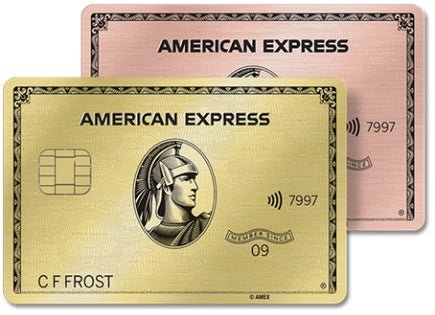
Choosing the right credit card is a decision that impacts your daily budget and your long term credit health. With thousands of options available, the process often feels overwhelming for many Americans. You might be asking how to identify the card that offers the most value for your specific spending habits or which one best suits your current credit score. MoneyAtlas tracks over 1,500 financial products to help make these decisions clearer by providing side by side comparisons. This guide walks through the essential steps to evaluate your credit profile, define your financial goals, and compare card features effectively. By following a structured approach, you can narrow down the market to the few cards that actually serve your lifestyle and financial objectives. Start by browsing our best credit card comparison to see how options stack up across major categories.
Step 1: Check Your Credit Score
Your credit score is the most significant factor in determining which credit cards are available to you. Most card issuers have specific credit score requirements for their products. Knowing your score before you apply helps prevent unnecessary hard inquiries on your credit report, which can temporarily lower your score.
Understanding Credit Score Ranges
Credit scores in the US generally fall into several categories.
Excellent Credit: 740 to 850.
Good Credit: 670 to 739.
Fair Credit: 580 to 669.
Poor Credit: 300 to 579.
If your score is in the good or excellent range, you are likely to qualify for premium rewards cards with the highest cash back rates and the most valuable travel perks. If your score is in the fair or poor range, your options may be limited to cards designed for building credit, such as secured cards or student cards.
Why Your Score Matters for Approval
Issuers use your score to gauge the risk of lending to you. A higher score often leads to lower Annual Percentage Rates (APR), which is the interest rate you pay on balances carried month to month. While some cards for fair credit offer rewards, the most lucrative sign up bonuses are almost always reserved for those with scores above 670. You can also review the full credit card reviews index when comparing products by credit profile.
Not every credit card serves the same purpose. To choose the best one, you must decide what you want the card to do for you. Most financial goals fall into one of four categories: earning rewards, paying down existing debt, financing a large purchase, or building credit history.
Earning Rewards on Daily Spending
For those who pay their balance in full every month, a rewards card is often the best choice. These cards return a percentage of your spending in the form of cash back, points, or travel miles. If you do not carry a balance, the interest rate matters less than the rewards rate and the value of any perks. Compare cash back credit card options if flexible rewards are your primary goal.
Paying Down Debt with Balance Transfers
If you are currently carrying a balance on a card with a high interest rate, a balance transfer card is worth comparing. These cards often offer an introductory 0% APR on transferred balances for a period of 12 to 21 months. This allows you to pay down the principal amount without accruing new interest charges. Use our balance transfer card comparison to compare promotional periods and fees.
Financing New Purchases
If you have a major expense coming up, such as a home repair or a large appliance purchase, look for a card with an introductory 0% APR on new purchases. This gives you a window of time to pay off the purchase interest free.
Building or Rebuilding Credit
If you are new to credit or have had past financial difficulties, your goal is to establish a positive payment history. Secured cards, which require a refundable cash deposit, are a common tool for this. The deposit acts as your credit limit and provides security for the lender.
Step 3: Analyze Your Spending Habits
The "best" card is the one that gives you the most value where you already spend money. A travel card that offers 5% back on flights is not useful if you only fly once a year. Conversely, a card that offers high rewards at grocery stores is a powerhouse for a large family. For more guidance on evaluating fees and rewards together, read this guide to credit card annual fees, interest rates, and rewards.
Categorizing Your Expenses
Review your bank statements from the last three months. Identify your top three spending categories. Common high reward categories include:
Groceries and supermarkets.
Gas stations and EV charging.
Dining out and takeout services.
Travel and transit.
Online retail and department stores.
Flat Rate vs. Tiered Rewards
Some cards offer a flat rate, such as 2% cash back on every purchase. Others use a tiered system, such as 3% on groceries, 2% on gas, and 1% on everything else.
Spend Category
Flat Rate Card (2%)
Tiered Card (3%/2%/1%)
Groceries ($500)
$10
$15
Gas ($200)
$4
$4
Other ($1,000)
$20
$10
Total Monthly
$34
$29
In this example, the flat rate card actually earns more overall despite the higher grocery tier on the other card. This highlights why calculating your total projected earnings is essential before choosing.
Step 4: Evaluate Fees and Interest Rates
While rewards are exciting, fees can quickly eat into your gains. You must look past the marketing to the actual costs of card ownership.
Annual Fees
Many premium cards charge an annual fee, ranging from $95 to $695. To decide if an annual fee is worth it, compare the value of the perks against the cost. If a card costs $95 but provides a $100 annual hotel credit, the card effectively pays you to keep it. If you will not use the perks, a no annual fee credit card is likely a better fit.
Annual Percentage Rate (APR)
The APR is the cost of borrowing money. If you plan to carry a balance, the APR is the most important number on the page. Even a 1% or 2% difference in interest rates can save or cost you hundreds of dollars over a year. Most credit cards have variable APRs that change based on the Prime Rate. For a deeper explanation, read how APR works on credit card accounts.
Foreign Transaction Fees
If you travel abroad or shop from international websites, look for a card with no foreign transaction fees. Many cards charge 3% on every purchase made outside the US. This can turn a good deal into an expensive one very quickly. Travelers can compare travel rewards credit cards with features designed for purchases abroad.
Step 5: Compare Specific Card Types
Once you know your score, your goal, and your spending, you can look at specific subcategories of cards. MoneyAtlas makes it easier to compare these side by side using expert ratings.
Cash Back Credit Cards
Cash back is the most flexible reward. It can be taken as a statement credit, a check, or a deposit into a bank account.
Fixed Rate: Simple and easy to use.
Bonus Categories: Higher rewards for specific areas like dining or gas.
Rotating Categories: Requires you to "activate" new 5% categories every quarter.
Travel Rewards Cards
Travel cards earn points or miles that can be redeemed for flights, hotels, or car rentals. Some are co branded with a specific airline or hotel chain, while others offer general travel points that can be moved to various partners. These cards often include travel insurance and airport lounge access.
0% Intro APR and Balance Transfer Cards
These are utility cards. Look for the longest introductory period. Some cards offer 0% interest for 15, 18, or even 21 months. Be aware of the balance transfer fee, which is typically 3% to 5% of the total amount you move to the new card. Learn more about how credit card balance transfers work.
Secured and Student Cards
Secured cards are for building credit. The best ones have no annual fee and provide a path to "graduate" to an unsecured card after a period of responsible use. Student cards are similar but do not usually require a deposit. They are designed for young adults with limited credit history.
Step 6: Look for Sign Up Bonuses and Extra Perks
After you have found a few cards that fit your spending and goals, use sign up bonuses as the tie breaker. A sign up bonus is a lump sum of cash or points awarded after you spend a certain amount in the first few months.
Evaluating the Welcome Offer
A bonus might be $200 after spending $500, or it might be 60,000 miles after spending $4,000. Ensure the spending requirement fits your natural budget. You should not overspend just to hit a bonus, as the interest on that debt will likely cost more than the bonus is worth.
Hidden Benefits in the Fine Print
Modern credit cards often come with extra protections that people forget to use. These include:
Purchase Protection: Covers new items against theft or accidental damage.
Extended Warranty: Adds an extra year to a manufacturer's warranty.
Cell Phone Protection: Covers repair or replacement if you pay your monthly bill with the card.
Rental Car Insurance: Provides secondary coverage when you decline the rental agency's collision damage waiver.
Common Mistakes to Avoid
Even with the best intentions, it is easy to make a choice that costs you money in the long run.
Applying for Too Many Cards at Once
Each application usually triggers a hard pull on your credit report. Applying for several cards in a short window can make you look risky to lenders and may lead to denials. It is better to research carefully and apply for the one card you want most.
Ignoring the Interest Rate While Carrying Debt
It is a mistake to choose a rewards card if you cannot pay the balance in full. The 1% to 5% you earn in rewards will be completely wiped out by an APR of 20% or higher. If you have debt, prioritize a low interest rate or a balance transfer card over a rewards card.
Failing to Match the Card to Your Credit Score
Applying for a "premium" card when you have a fair credit score is a common cause of rejection. Use pre qualification tools when available. These tools use a soft credit pull, which does not hurt your score, to tell you which cards you are likely to be approved for.
How to Compare and Apply
Once you have a shortlist, it is time to look at them side by side. MoneyAtlas allows you to compare over 1,500 products across every major category, including fees, terms, and real world costs.
How to Compare and Apply
1
Use a Comparison Tool
Look at the cards' headline rates, but also look at the expert ratings. These ratings take into account things like customer service, app quality, and how easy it is to actually redeem rewards.
2
Verify the Current Offer
Rates and bonuses change frequently. Always check the provider's site for the most current rates, as the 0% APR period or the sign up bonus amount may have updated since you last checked.
3
Complete the Application
Most applications are online and take less than ten minutes. You will need your Social Security number, gross annual income, and monthly housing payment. In many cases, you will receive a decision in seconds.
4
Set Up Account Management
Once approved, download the issuer's app. Set up autopay for at least the minimum payment to ensure you never miss a due date. Missing a payment is the fastest way to damage your credit score and lose your introductory interest rates.
Final Decision Framework
To make your final choice, ask yourself these three questions:
Does my credit score realistically qualify me for this card?
Will the rewards or interest savings exceed any annual fee I have to pay?
Does this card reward the spending I already do every week?
If the answer to all three is yes, you have likely found the right card. Remember that your needs will change over time. A student card might be perfect now, but in five years, a premium travel card might offer more value. You should review your credit card lineup once a year to ensure it still aligns with your financial life.
FAQ
Ready to pick a card?
Compare the cards our editors rate highest right now, side by side, with the fees and rewards that matter.
Do any credit cards have truly fixed APR not variable? Learn why fixed rates are rare, where to find them at credit unions, and how to lock in stability.
Can you change your APR on a credit card? Learn how to negotiate a lower rate, use balance transfers, and leverage legal rights to reduce your interest costs.