How Much Is an American Express Gold Card? Fees and Value


Introduction
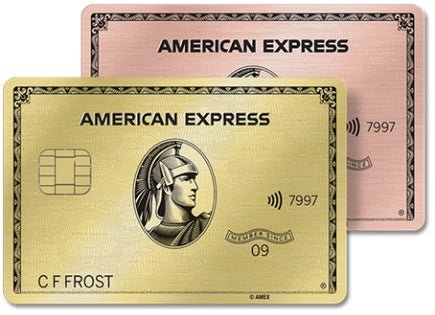
The American Express Gold Card currently carries an annual fee of $325. This cost represents a mid-tier position in the market, sitting between entry-level cards with no fees and ultra-premium cards that can cost over $600 annually. For someone considering this card, the primary question is whether the rewards and credits justify that $325 price tag. MoneyAtlas compares hundreds of credit products to help consumers understand the real cost of ownership. This guide breaks down the annual fee, additional cardholder costs, and the various statement credits that can reduce the effective cost of the card to zero or even provide a net profit in value.
The Cost of the Annual Fee
The $325 annual fee for the American Express Gold Card is charged once per year. This charge typically appears on the first billing statement after a new account is opened. For subsequent years, the fee is charged on the anniversary of the account opening.
If the math does not appear to work in your favor after the fee hits your statement, there is a small window for recourse. American Express generally provides a 30-day grace period from the date the annual fee is billed. If the account is closed or downgraded within this 30-day window, the fee is usually refunded. After this period, the fee is typically non-refundable.
It is worth noting that while $325 sounds like a large sum, it breaks down to approximately $27 per month. For a frequent traveler or diner, this cost may be manageable if the rewards earned through daily spending exceed that monthly average.
For a broader look at how annual fees, rewards, and interest costs interact, read our guide to evaluating credit card annual fees, interest rates, and rewards.
Costs for Additional Card Members
Many people choose to add family members or partners to their accounts to consolidate spending and earn rewards faster. The American Express Gold Card has a specific pricing structure for these additional users, often called authorized users.
Currently, the card allows you to add up to five additional Gold Cards for no annual fee. This is a competitive feature, as many premium cards charge for every additional person added to the account. Starting with the sixth additional cardholder, the cost is $35 per year for each person.
While these additional cards do not cost extra for the first five users, the primary cardholder remains legally responsible for all charges made by every person on the account. However, all points earned by additional users flow directly into the primary cardholder's Membership Rewards balance, which can help reach spending requirements for welcome offers or travel redemptions more quickly.
Calculating the Effective Cost Through Credits
The "sticker price" of the American Express Gold Card is $325, but the "effective cost" can be much lower. This is because the card provides several statement credits that act like coupons for services many people already use.
If a cardholder uses every credit to its full potential, they can receive up to $424 in value back each year. In this scenario, the card effectively "pays" the user $99 to keep it in their wallet.
For a product-level breakdown of the card's fee, rewards, and credits, see our American Express Gold Card review.
$120 Uber Cash
Cardholders receive $10 in Uber Cash each month, totaling $120 per year. This can be used for Uber rides in the U.S. or for Uber Eats orders. To use this, the Gold Card must be added to the Uber app, and it is a "use-it-or-lose-it" benefit that does not roll over to the next month.
$120 Dining Credit
This credit provides up to $10 back per month when using the card at specific participating partners. These currently include Grubhub, The Cheesecake Factory, Goldbelly, Wine.com, Five Guys, Buffalo Wild Wings, and Wonder. Like the Uber credit, this requires enrollment and expires at the end of each month if unused.
$100 Resy Credit
A newer addition to the card, this benefit provides up to $100 in statement credits each calendar year for eligible purchases at U.S. Resy restaurants. This is distributed as two $50 credits: one available from January through June, and another from July through December. Enrollment is required.
$84 Dunkin' Credit
This benefit offers up to $7 in monthly statement credits for purchases made at U.S. Dunkin' locations. For someone who already visits Dunkin' once or twice a month, this effectively shaves another $84 off the annual cost.
Rewards Earning Potential
Beyond the credits, the main reason people pay for the American Express Gold Card is the points-earning structure. The card earns Membership Rewards points, which can be transferred to various airline and hotel partners.
The current earning rates are:
- 4X points at restaurants worldwide, including takeout and delivery in the U.S., on up to $50,000 in purchases per year.
- 4X points at U.S. supermarkets on up to $25,000 in purchases per year.
- 3X points on flights booked directly with airlines or on the Amex Travel website.
- 2X points on prepaid car rentals and other travel booked through the Amex portal.
- 1X points on all other eligible purchases.
For a household that spends $1,000 a month on groceries and $500 a month on dining, the card would generate 72,000 points per year. Depending on how those points are redeemed, they could be worth anywhere from $360 if redeemed for statement credits to over $1,000 if transferred to high-value travel partners.
Readers comparing points-based products can browse MoneyAtlas rewards credit card rankings to review different earning structures.
Interest Rates and Other Fees
While the annual fee is the most visible cost, there are other potential expenses associated with the American Express Gold Card. This is primarily a "Pay In Full" card, meaning the expectation is that the balance is paid off every month. However, it does feature a "Pay Over Time" option for eligible purchases.
Variable APR
For those who use the Pay Over Time feature, a variable Annual Percentage Rate (APR) will apply. This rate is usually based on the prime rate and the cardholder's creditworthiness. Currently, these rates often range from 21% to 29% or higher. Because these rates are high, carrying a balance can quickly wipe out any value gained from rewards or credits.
For more context on how American Express rates work, read what to know about American Express credit card interest rates.
Late and Returned Payment Fees
Failing to make a payment on time can result in a fee of up to $40. Returned payments also carry a similar fee. Because this is a charge card at its core, late payments can have a more immediate impact on your ability to use the card for future purchases compared to a traditional credit card.
Foreign Transaction Fees
One cost you do not have to worry about with this card is the foreign transaction fee. The American Express Gold Card has a 0% foreign transaction fee. This makes it a cost-effective choice for international travel, particularly given the 4X points on dining worldwide.
Welcome Offers and the First Year Cost
For new applicants, the cost of the first year is often mitigated by a welcome offer. These offers typically require a certain amount of spending within the first six months of account opening.
Common welcome offers for this card range from 60,000 to 100,000 Membership Rewards points. If a user earns a 60,000-point bonus and values those points at a conservative 1 cent each, the $600 in value more than covers the $325 annual fee for the first year.
MoneyAtlas monitors these offers across the market, as they can change monthly. It is common for "refer-a-friend" links or specific browser searches to yield higher bonuses than the standard public offer.
Comparing the Gold Card to Other Options
To understand if the $325 fee is worth it, it helps to compare it to other cards in the same category.
The Chase Sapphire Preferred has a much lower fee of $95, but it lacks the 4X supermarket category and the heavy monthly statement credits. The Amex Platinum has a much higher fee of $695 and focuses on luxury travel perks like airport lounge access, which the Gold Card does not offer.
For someone whose primary expenses are food and domestic travel, the Gold Card often represents the "sweet spot" in the American Express ecosystem.
To compare broader alternatives across fees, rewards, and benefits, browse the best credit cards comparison.
Travel-focused readers can also compare travel credit cards with different annual fees and redemption structures.
How to Determine if the Cost Is Worth It
Deciding if the $325 fee makes sense requires a bit of honest math. You can follow these steps to see if the card is a net positive for your budget.
How to Determine if the Cost Is Worth It
- 1
Audit your monthly apps
Look at your credit card statements from the last three months. Do you already spend at least $10 a month on Uber or Uber Eats? Do you use Grubhub or eat at any of the participating dining partners? If the answer is yes, you can count those credits at face value.
- 2
Estimate your grocery and dining spend
Total your annual spending at U.S. supermarkets and restaurants. Multiply that number by 4 to see how many points you would earn. For example, $10,000 in annual spend equals 40,000 points.
- 3
Assign a value to those points
If you prefer simple redemptions like gift cards, value those points at 1 cent each. If you are a travel hacker who transfers to airlines for business class seats, you might value them at 2 cents each.
- 4
Do the final subtraction
Subtract the annual fee ($325) from the sum of your usable credits and the cash value of your estimated points. If the result is a positive number, the card is likely a good financial fit for your situation.
For readers who prefer a simpler rewards structure, compare cash back credit cards alongside premium points cards.
Is the Cost Justified for You?
The American Express Gold Card is not for everyone. If you live in a rural area where Uber and Grubhub are not available, or if you prefer to shop at discount grocers that do not accept American Express, you may find it difficult to get $325 in value from the card.
Similarly, if you do not want to manage "coupon-style" credits that require monthly tracking and enrollment, a simpler card with a lower fee or a flat cash-back rate might be a better choice.
However, for a city dweller or a suburban family that spends heavily on groceries and uses delivery services, the Gold Card remains one of the most rewarding products on the market. It turns a necessary daily expense, food, into a significant source of travel rewards.
Before making a decision, we suggest browsing the MoneyAtlas comparison page for rewards cards. You can see how the Gold Card stacks up against competitors in real-time based on the latest fee structures and welcome offers.
Readers seeking to avoid annual fees can compare no-annual-fee credit cards.
FAQ
MoneyAtlas Staff
Articles and reviews from the MoneyAtlas editorial team — independent research on credit cards, banking, loans, insurance, and investing.
Related Articles

How Much Is the American Express Gold Card Limit?
Wondering how much American Express Gold Card limit you can get? Learn how its no preset spending limit works and how to grow your purchasing power.

How Good Is the American Express Gold Card?
Wondering how good is the American Express Gold Card? Learn how the 4x food rewards and $424 in credits can outweigh the $325 fee in our expert review.

How to Get the Gold American Express Card: Requirements and Steps
Learn how to get the Gold American Express Card with our guide on credit scores, income requirements, and how to apply without hurting your credit.