Does American Express Gold Have Foreign Transaction Fees?


Introduction
Determining whether a credit card charges extra for international use is a critical step for any traveler or frequent online shopper. The American Express Gold Card is a popular choice for those who spend heavily on dining and groceries, but its utility depends heavily on whether those purchases come with a surcharge when made outside the United States. MoneyAtlas tracks these card features closely to help consumers understand the real cost of their spending. This post covers the specific foreign transaction fee structure for both the consumer and business versions of the Gold card, compares them to other American Express products, and explains how to avoid common international payment traps. The American Express Gold Card currently has 0% foreign transaction fees, making it a viable companion for international travel. Readers can also compare leading credit cards when evaluating international fees, rewards, and annual costs.
Understanding the Foreign Transaction Fee
A foreign transaction fee is a surcharge that many credit card issuers add to purchases made in a currency other than US dollars. This fee also frequently applies if a transaction is processed through a foreign bank, even if the price is listed in dollars. These charges typically range from 1% to 3% of the total purchase price. For a traveler spending $3,000 on a trip, a 3% fee results in an extra $90 added to the bill.
The fee is usually composed of two parts. The first is a charge from the credit card network, such as Visa or Mastercard, for handling the currency conversion. The second is an additional markup from the bank that issued the card. American Express acts as both the network and the issuer for its cards. For their cards that do carry this fee, they typically bundle these costs into a single percentage, often 2.7% for business cards and 2.99% for consumer cards. For more context on how percentage-based card costs affect your bill, read this guide to how credit card APR and other fees work.
Does the American Express Gold Card Charge These Fees?
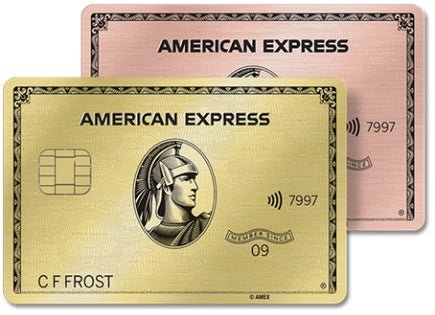
For someone carrying the American Express Gold Card, the answer is straightforward. There are no foreign transaction fees for this card. Whether you are swiping the card at a bistro in Paris, paying for a hotel in Tokyo, or ordering specialized equipment from a German website, the amount you see on your statement is based solely on the currency conversion rate without an added percentage fee. You can review the card's rewards, costs, and travel features in the full American Express Gold Card review.
This 0% fee structure is a significant benefit for a card that focuses on dining and travel. Since the American Express Gold Card earns high rewards rates on dining at restaurants worldwide, the lack of a foreign transaction fee ensures that those rewards are not offset by extra costs. If a card earns 4x points on dining but charges a 3% foreign transaction fee, the value of the points is almost entirely erased by the fee. With the Gold card, the rewards are earned on top of a clean transaction.
Consumer vs. Business Gold Cards
Both the consumer American Express Gold Card and the American Express Business Gold Card waive foreign transaction fees. This makes the Business Gold card a strong option for companies that source materials from overseas or have employees who travel internationally.
While the rewards structures differ between the two cards, the international fee policy remains consistent. MoneyAtlas makes it easier to compare the specific earning categories of these cards side by side to see which fits a specific spending profile better. For the business version, the 0% fee applies to all employee cards issued under the primary account as well, which simplifies expense management for global teams.
How American Express Handles Currency Conversion
Even without a foreign transaction fee, the exchange rate used to convert your purchase into US dollars matters. American Express uses its own daily exchange rates. When you make a purchase in a foreign currency, the transaction is converted into US dollars on the day it is processed, which may be a day or two after the actual purchase.
The American Express exchange rate is generally competitive and stays close to the mid-market rate. The mid-market rate is the "real" exchange rate that banks use to trade currency with each other. While there might be a very small difference between the Amex rate and the rate seen on financial news sites, it is usually negligible for the average consumer.
It is important to note that the exchange rate is set by American Express on the date the transaction is processed, not the date you made the purchase. If you spend money on a Friday but the merchant doesn't process the charge until Monday, the rate used will be the Monday rate. In a volatile currency market, this can lead to slight variations in the final US dollar amount.
Comparing Foreign Transaction Fees Across Amex Cards
Not all American Express cards are created equal when it comes to international fees. While premium cards like the Gold and Platinum cards waive these fees, many of the entry-level or cash-back cards still charge them. For a broader side-by-side look at points, annual fees, and card benefits, browse MoneyAtlas rewards credit card comparisons.
As shown in the table, the 0% fee is common among cards that have an annual fee or are part of a travel-focused co-branded partnership. Cards with no annual fee are more likely to carry the 2.7% or 2.99% charge. For someone who travels even once a year, choosing a card that waives these fees is often worth comparing against the cost of an annual fee. Travelers who prioritize everyday rewards can also browse cash back card comparisons.
The Trap of Dynamic Currency Conversion
Even if your American Express Gold Card has no foreign transaction fees, you can still get hit with high costs through a process called Dynamic Currency Conversion (DCC). This happens when a merchant or an ATM overseas offers to "do you a favor" by showing the price in US dollars instead of the local currency.
While seeing the price in dollars feels convenient, it is almost always a bad financial move. When you accept DCC, the merchant's bank sets the exchange rate, not American Express. These rates often include a hidden markup of 3% to 7%. This markup is entirely separate from your credit card's fee structure.
If you use your Gold card and choose to pay in the local currency, such as Euros or Yen, American Express handles the conversion at their competitive rate, and you pay 0% in fees. If you choose to pay in US dollars via DCC, you pay the merchant's inflated rate. Always decline the offer to pay in US dollars and choose the local currency instead. You can also review ways to avoid foreign transaction costs.
Cash Advances and International ATM Use
While the American Express Gold Card is excellent for purchases, it is generally a poor choice for withdrawing cash from an ATM abroad. Using a credit card at an ATM is considered a cash advance.
Cash advances trigger several immediate costs:
- Cash Advance Fee: Typically 5% or $10, whichever is greater.
- High Interest: Cash advances usually carry a significantly higher APR than standard purchases.
- No Grace Period: Unlike purchases, interest on cash advances begins to accrue the moment the cash is in your hand.
- ATM Operator Fees: The bank owning the ATM may charge its own fee for the transaction.
For international cash needs, a debit card that waives foreign ATM fees is a much better alternative. The American Express Gold Card should be reserved for point-of-sale transactions at merchants and restaurants.
Is American Express Accepted Everywhere Abroad?
One historical hurdle for American Express cardholders was limited international acceptance compared to Visa and Mastercard. While this has improved significantly, it remains a factor to consider. In major tourist destinations, large hotel chains, and high-end restaurants, American Express acceptance is very high.
However, in smaller cities, at local markets, or in smaller shops, you may find merchants that only accept local cards or Visa and Mastercard. This is often due to the higher processing fees that American Express charges merchants.
When traveling with an American Express Gold Card, it is practical to carry a backup card from a different network that also has 0% foreign transaction fees. This ensures you are never stuck without a way to pay if a merchant does not support the Amex network. A review of another travel-focused card can help you assess comparable rewards and protections.
Steps for Using Your Card Internationally
Steps for Using Your Card Internationally
- 1
Verify your card's expiration date
Ensure your card will not expire while you are out of the country.
- 2
Download the mobile app
This allows you to monitor spending and freeze the card instantly if it is lost.
- 3
Update your contact information
Ensure your phone number is correct so you can receive fraud alerts or verification codes.
- 4
Check acceptance at your destination
Research whether your destination is "Amex-friendly" or if you need to rely more on a backup card.
Why the Gold Card is a Strong International Choice
Beyond the 0% foreign transaction fee, the American Express Gold Card offers features that make it particularly useful for those spending money outside the US. The card's rewards structure is its primary draw.
For many travelers, dining out is one of the largest expenses. The Gold card earns 4x Membership Rewards points at restaurants worldwide. This is a rare feature, as many other cards limit their high-earning categories to US-based merchants only. Being able to earn 4x points on a dinner in London or a cafe in Rome without paying an extra 3% fee makes the Gold card a top-tier choice for international food enthusiasts.
The card also provides certain travel protections that are valuable when you are far from home. These can include baggage insurance plans and car rental loss and damage insurance. While these are not a substitute for a full travel insurance policy, they provide an extra layer of security for the typical traveler.
Managing International Transactions in the App
Monitoring your spending while abroad is easier with modern banking tools. If you use your Gold card for a transaction in a foreign currency, the American Express app will typically show the transaction in the original currency and the converted US dollar amount once it moves from "pending" to "posted."
If you see a charge you do not recognize, the app allows you to dispute it or freeze your card immediately. American Express is known for its robust fraud protection. If their systems detect a purchase that seems out of character for your spending habits, they may send a push notification or text to verify that it was actually you. You do not need to notify American Express of your travel plans in advance, as their technology is designed to recognize travel patterns automatically.
Common Misconceptions About Amex Fees
A common mistake is assuming that "no foreign transaction fees" means "no fees at all." While the 0% surcharge is a great benefit, other costs can still apply. For example, if you do not pay your balance in full, you will still owe interest at your standard APR.
Another misconception is that the fee only applies when you are physically in another country. As mentioned earlier, online shopping is a frequent source of these fees. If you buy a gift for a friend from a website based in the UK, even while sitting on your couch in New York, a card with a foreign transaction fee would charge you. The Gold card protects you in both scenarios. For a broader explanation of how card balances and interest interact, read how credit card interest is calculated.
Choosing the Right Card for Your Needs
While the American Express Gold Card is excellent for dining and groceries, it may not be the perfect fit for everyone. For someone who prioritizes airport lounge access and luxury hotel perks, the Platinum card might be a better choice, as it also waives foreign transaction fees and offers a broader range of travel credits.
Conversely, for someone who rarely travels and spends mostly at US-based discount stores, a cash-back card with a 2.7% foreign transaction fee might be acceptable if the domestic rewards are high enough. MoneyAtlas provides the tools necessary to compare these trade-offs by looking at annual fees, rewards rates, and international costs simultaneously.
Final Checklist for International Card Use
Before you depart on your next international trip or make a large purchase from an overseas vendor, run through this checklist to ensure you are maximizing your card's benefits.
- Confirm the 0% fee: Ensure you are using the Gold card and not an entry-level card that might charge 2.7%.
- Check the rewards: Verify that the merchant category, like dining, will earn the expected 4x points.
- Have a backup: Carry a Visa or Mastercard with no foreign transaction fees for merchants that do not accept Amex.
- Decline DCC: Always choose to be charged in the local currency at the point of sale.
- Avoid the ATM: Use a debit card for cash needs to avoid high interest and cash advance fees.
By following these steps, you can ensure that your international spending is as cost-effective as possible. The American Express Gold Card is designed to reward your lifestyle, and its fee-free international structure is a key part of that value proposition.
Conclusion
The American Express Gold Card is a premier option for anyone looking to avoid foreign transaction fees while earning significant rewards. With a 0% fee on international purchases for both consumer and business cardholders, it stands out as a high-value tool for global dining and travel. While you must still be mindful of Dynamic Currency Conversion and avoid using the card for cash advances, its competitive exchange rates and 4x points on global dining provide a clear advantage. To see how the Gold card stacks up against other travel rewards options, compare credit cards by rewards, fees, and benefits.
FAQ
MoneyAtlas Staff
Articles and reviews from the MoneyAtlas editorial team — independent research on credit cards, banking, loans, insurance, and investing.
Related Articles

How Much Is the American Express Gold Card Limit?
Wondering how much American Express Gold Card limit you can get? Learn how its no preset spending limit works and how to grow your purchasing power.

How Good Is the American Express Gold Card?
Wondering how good is the American Express Gold Card? Learn how the 4x food rewards and $424 in credits can outweigh the $325 fee in our expert review.

How to Get the Gold American Express Card: Requirements and Steps
Learn how to get the Gold American Express Card with our guide on credit scores, income requirements, and how to apply without hurting your credit.