Does American Express Gold Charge Foreign Transaction Fees?


Introduction
When you are planning international travel or shopping with a global retailer online, the cost of the transaction often involves more than just the sticker price. Many credit cards add a surcharge to every purchase made outside the United States. For travelers considering a premium card, a common question is whether the American Express Gold Card imposes these extra costs.
MoneyAtlas tracks the terms and conditions of hundreds of financial products to help you understand these nuances. This post explores the current fee structure for the American Express Gold Card and how it compares to other options in the market. Understanding these fees is a critical part of choosing the right card for your spending habits. We will break down the mechanics of foreign transaction fees and help you evaluate if this card fits your global spending needs.
Understanding Foreign Transaction Fees
A foreign transaction fee is a surcharge that many credit card issuers add to purchases processed outside the U.S. or in a foreign currency. These fees typically range from 1% to 3% of the total purchase price. While a 3% fee may seem small on a single meal, it can add hundreds of dollars to the cost of a two week international vacation.
These fees generally consist of two parts. The first part is a fee charged by the card network, such as Visa, Mastercard, or American Express, for converting the currency. The second part is an additional markup from the bank that issued the card. On many basic credit cards, these fees are a standard way for banks to cover the costs of international processing.
It is important to note that you do not have to leave the country to trigger these fees. If you order a product from a website based in the United Kingdom or Canada, and that merchant uses a foreign bank to process the payment, your card issuer may apply a foreign transaction fee even if the price was listed in U.S. dollars. For related guidance, read our guide to evaluating credit card annual fees, interest rates, and rewards.
The American Express Gold Card Policy
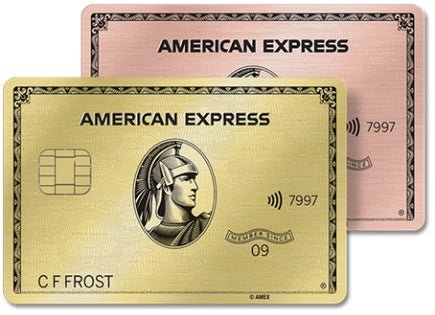
The American Express Gold Card is positioned as a premium rewards card, particularly for those who spend heavily on dining and groceries. Because it is designed for a lifestyle that often includes travel, it does not charge foreign transaction fees.
This 0% fee policy is a significant benefit for several reasons:
- Predictable Pricing: When you see a price in a foreign currency, you only need to worry about the exchange rate. You do not have to add an extra 3% in your head for the bank's cut.
- Online Shopping: You can buy from international boutiques or specialty stores without worrying about a surcharge showing up on your statement later.
- Business Travel: For those who travel for work, a card with no foreign transaction fees keeps expense reports simpler and costs lower for the company.
Comparing Amex Cards: Fees at a Glance
Not every card in the American Express ecosystem shares the same fee structure. While premium cards often waive these fees, entry level or cash back cards may still include them. When you use our best credit card comparison, you can see these differences side by side.
The following table illustrates how the Gold Card compares to other popular American Express offerings regarding international fees.
As the table shows, the 0% fee is common among the more expensive "color" cards, including Gold and Platinum, and co-branded airline cards. However, the cash back cards that often have no annual fee typically charge a 2.7% foreign transaction fee. If you spend $5,000 per year on international travel or foreign websites, using a card with a 2.7% fee would cost you $135 in extra charges.
Beyond the 0% Fee: Why Context Matters
While avoiding the fee is important, it is only one part of the financial decision. The American Express Gold Card carries a substantial annual fee. To decide if the card is worth it, you must look at the rewards you earn and the credits the card provides. Our credit card reviews can help you examine fees, rewards, and benefits across different products.
The Gold Card is known for earning 4x Membership Rewards points at restaurants worldwide and at U.S. supermarkets. The "worldwide" part of the dining rewards is crucial. Because there is 0% foreign transaction fee, you can earn 4x points on a dinner in Paris or a cafe in Mexico City without any fees eating into the value of those points.
If you used a different card that earned high rewards but charged a 3% fee, the fee would effectively cancel out much of the reward value. This synergy between high international rewards and zero fees is what makes the Gold Card a favorite for many travelers.
The Trap of Dynamic Currency Conversion
Even if your card charges 0% in fees, you can still get hit with a bad deal at the point of sale. This happens through a process called Dynamic Currency Conversion.
When you are at a hotel or restaurant abroad, the merchant may ask if you want to pay in U.S. dollars instead of the local currency. This might seem helpful because it lets you see exactly how much you are spending in your home currency. However, you should almost always decline this offer.
When you choose to pay in U.S. dollars, the merchant's bank chooses the exchange rate. These rates are almost always much worse than the rate American Express would give you. A merchant's rate might include a hidden markup of 5% to 7%.
How to handle the checkout process:
How to Handle the Checkout Process
- 1
Choose Local Currency
When the card terminal asks if you want to pay in USD or the local currency, choose the local currency, such as Euros, Yen, or Pounds.
- 2
Let American Express Convert
Let American Express handle the conversion. They use a professional market rate that is far more favorable than a merchant's rate.
- 3
Review Your Statement
Review your statement later. You will see the local currency amount converted to USD at a fair rate with no additional foreign transaction fee.
Tips for Using Your Card Abroad
Using a card like the American Express Gold makes international spending easier, but there are a few practical steps you should take to ensure your trip goes smoothly.
1. Check Acceptance Levels
While American Express is accepted by millions of merchants globally, its footprint is not quite as large as Visa or Mastercard in certain regions. In major cities and at high-end hotels or restaurants, you are unlikely to face issues. In smaller towns or at local markets, you might find more cash-only or Visa or Mastercard-only establishments.
2. Carry a Backup Card
Because of the acceptance variations mentioned above, we suggest carrying at least one backup card from a different network, such as a Visa or Mastercard. Ideally, this backup card should also have no foreign transaction fees. You can compare cash back credit cards when evaluating backup options.
3. No Need for Travel Notices
In the past, you had to call your bank before leaving the country to prevent your card from being frozen for suspicious activity. American Express uses advanced fraud detection that usually recognizes when a cardholder is traveling. You generally do not need to file a formal travel notice, though keeping your contact information updated in the app is wise.
4. Use ATMs Carefully
Avoid using your American Express Gold Card at an ATM to withdraw cash. This is treated as a cash advance. Cash advances involve high interest rates that start accruing immediately, plus a separate cash advance fee. For cash needs abroad, a debit card is a much more cost-effective choice. Our guide to how credit card APR is charged explains how interest costs can affect borrowing.
How to Compare Travel Cards on MoneyAtlas
Choosing a card involves balancing the annual fee, the reward rates, and the travel benefits. The American Express Gold Card is a powerful tool, but it is not the only option for avoiding foreign transaction fees.
MoneyAtlas allows you to compare the Gold Card against competitors from Chase, Capital One, and Citi. Some of these competitors offer similar 0% fee structures with lower annual fees or different reward categories. Browse our travel credit card options to compare products designed for international spending.
When you use our comparison tools, look for these specific criteria:
- Annual Fee: Ensure the rewards you earn will outweigh the yearly cost of holding the card.
- Reward Multipliers: If you spend more on travel than on dining, a different card might serve you better.
- Statement Credits: Many premium cards offer credits for Uber, dining, or airline incidentals that can offset the annual fee.
- Insurance Protections: Look for cards that offer trip delay insurance or car rental coverage, which add value beyond just fee savings.
Our goal is to make the fine print easy to read so you can decide which card earns a spot in your wallet.
Conclusion
The American Express Gold Card does not charge foreign transaction fees, making it an excellent choice for international dining and travel. By waiving the typical 2.7% or 3% surcharge found on many other cards, it allows you to earn valuable rewards without the cost of those rewards being offset by hidden fees.
However, a card is more than just its fee schedule. You must also consider the annual fee and whether your spending habits align with the card's 4x points categories. If you are a frequent traveler who spends heavily on food, the Gold Card offers a compelling mix of rewards and fee-free international use. For those who stay mostly within the U.S. or prefer a card with no annual fee, a different product might be a better fit. Explore no annual fee credit cards to compare alternatives without a yearly account fee.
FAQ
MoneyAtlas Staff
Articles and reviews from the MoneyAtlas editorial team — independent research on credit cards, banking, loans, insurance, and investing.
Related Articles

How to Get the Rose Gold American Express Card
Learn how to get rose gold American Express card designs as a new or existing member. Compare rewards, fees, and follow our easy steps to upgrade today.

Does American Express Gold Card Have Travel Insurance?
Does American Express Gold Card have travel insurance? Discover coverage for trip delays, lost baggage, and car rentals, plus key exclusions to know.

How to Get an American Express Gold Card: Eligibility and Steps
Learn how to get an American Express Gold Card with our guide on credit scores, income requirements, and the Apply with Confidence feature.