Does American Express Gold Card Have Rental Car Insurance?


Introduction
Choosing the right credit card often involves weighing more than just rewards rates and welcome offers. For many travelers, the built-in protections that come with a card are just as valuable as the points earned on a transaction. One of the most frequent questions for those eyeing a premium travel card is: does American Express Gold Card have rental car insurance? The answer is yes, but the coverage is more nuanced than a simple "yes" or "no" might suggest.
This card provides specific protections for rental vehicles, but it is primarily secondary coverage. MoneyAtlas tracks these benefits to help cardholders understand how they function alongside personal auto policies. This article will break down what the insurance covers, the specific vehicle and geographic exclusions, and how it compares to other travel cards. Understanding these terms is essential for anyone looking to avoid expensive surprises at the rental counter.
How American Express Gold Rental Car Insurance Works
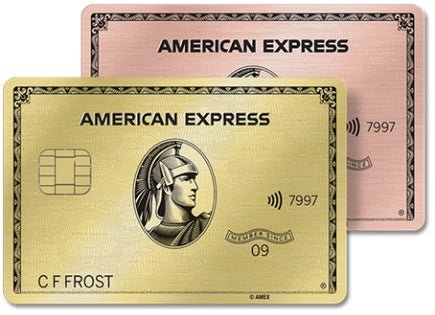
The American Express Gold Card review offers a benefit officially titled Car Rental Loss and Damage Insurance. This is a built-in protection that does not require an additional monthly fee to maintain, but it does require the cardholder to follow specific steps to activate it for a particular trip.
To qualify for this coverage, a cardholder must use their American Express Gold Card to reserve and pay for the entire eligible vehicle rental. If a different card is used for the deposit or the final payment, the insurance will typically not apply. Furthermore, the driver must officially decline the collision damage waiver (CDW) or similar option offered by the rental car company. By accepting the rental company’s own insurance, a cardholder effectively waives the protection provided by American Express.
It is also important to understand the concept of secondary coverage. For most cardholders, the Amex Gold insurance is secondary to their own personal automobile policy. If a rental car is damaged or stolen, the cardholder must first file a claim with their primary insurance provider. The American Express coverage then steps in to cover remaining costs, such as the deductible or other expenses the primary insurer does not pay.
Secondary vs. Primary Coverage: Why the Distinction Matters
The distinction between primary and secondary coverage is one of the most critical factors in evaluating credit card travel benefits. Because the American Express Gold Card offers secondary coverage, it functions as a safety net rather than a first line of defense.
If an accident occurs, the cardholder is usually required to file a claim with their personal auto insurance company. This can result in several consequences:
- Premium Increases: Filing a claim on a personal policy often leads to higher insurance premiums in the future.
- Deductible Payments: The cardholder must initially pay their out-of-pocket deductible, though the Amex Gold benefit may reimburse this cost.
- Claim History: The incident will appear on the cardholder's insurance record, which can impact their risk rating with insurers.
In contrast, primary coverage, which is found on a small number of other travel cards, allows the cardholder to bypass their personal insurance entirely. For those who do not have a personal auto insurance policy, the secondary coverage on the American Express Gold Card typically becomes primary by default. This is a common scenario for city dwellers who rely on public transit but rent cars for weekend trips.
What Is Covered by the Amex Gold Policy?
The Car Rental Loss and Damage Insurance on the American Express Gold Card is designed to cover the costs associated with the repair or replacement of a rental vehicle. According to current terms, the policy covers up to $50,000 per rental for:
- Damage to the Vehicle: This includes physical damage resulting from collisions or accidents.
- Theft of the Vehicle: If the car is stolen during the rental period, the policy covers the actual cash value of the vehicle up to the $50,000 limit.
- Loss of Use Charges: Rental companies often charge for the revenue lost while a vehicle is being repaired and cannot be rented to others. This policy generally covers those fees.
- Towing Costs: Reasonable and customary charges to tow the vehicle to the nearest qualified repair facility are typically included.
The benefit applies to most rentals that do not exceed 30 consecutive days. It is important to note that the policy is underwritten by AMEX Assurance Company, and eligibility varies by card.
Geographic and Vehicle Exclusions
Not every rental is eligible for protection under the American Express Gold Card. There are significant exclusions based on where the car is rented and the type of vehicle being used.
Geographic Restrictions
Currently, American Express excludes several countries from this coverage entirely. Rentals in the following locations are generally not covered:
- Italy
- Australia
- New Zealand
- Countries on the Office of Foreign Assets Control (OFAC) sanctioned list
If someone is planning a road trip through the Italian countryside or the Australian outback, they will need to look for alternative insurance options, as the Amex Gold Card will not provide protection in these jurisdictions.
Excluded Vehicle Types
The policy is designed for "standard" passenger vehicles. As a result, many specialized or high-value vehicles are excluded. Common exclusions include:
- Cargo vans and customized vans
- Trucks, except for certain specific pickups
- Motorcycles and mopeds
- Campers, trailers, and recreational vehicles (RVs)
- Antique or "exotic" cars, usually defined as cars over 20 years old or those that have not been manufactured for 10 or more years
- Limousines
- Off-road vehicles
For those renting a standard minivan for a family trip or a compact car for a business meeting, the coverage is usually applicable. However, those renting a moving truck or a luxury convertible should check the specific policy terms for their card.
The Premium Car Rental Protection Upgrade
For cardholders who want primary coverage without switching to a different credit card, American Express offers an optional program called Premium Car Rental Protection. This is a separate product that provides significantly more robust benefits for a flat fee per rental period.
Rather than being charged per day, cardholders pay one fee, typically ranging from $12.25 to $24.95 depending on the level of coverage and the state of residence, for the entire rental duration, up to 42 consecutive days.
The advantages of this upgrade include:
- Primary Coverage: You do not have to file a claim with your personal insurance first.
- Higher Limits: Coverage limits often increase to $75,000 or $100,000.
- Expanded Vehicle Types: Some luxury SUVs and more expensive models may be covered under the premium tier.
- Accidental Death and Dismemberment: The premium plan often includes medical and death benefits that are not part of the standard secondary coverage.
To use this, a cardholder must enroll their American Express Gold Card in the program. Once enrolled, the fee is automatically charged every time an eligible rental is detected on the card statement.
Comparing the Amex Gold to Other Travel Cards
When deciding which card to use for a rental, it is useful to compare the American Express Gold Card to other popular options. MoneyAtlas makes it easier to compare travel credit cards side by side to see how different cards handle travel protections.
Amex Gold vs. Chase Sapphire Preferred
The Chase Sapphire Preferred review is often considered a direct competitor to the Amex Gold. A major difference is that the Chase Sapphire Preferred offers primary rental car insurance as a standard benefit. This means that if an accident occurs, the cardholder can deal directly with Chase’s administrator and avoid involving their personal insurance company. For many, this single feature makes the Chase card a preferred choice for car rentals.
Amex Gold vs. American Express Platinum
The Platinum Card from American Express also offers secondary rental car insurance, very similar to the Gold Card. However, the Platinum Card sometimes offers higher coverage limits, up to $75,000 in some versions of the policy, and provides "elite" status with several rental companies, such as Hertz and Avis. These status levels don't change the insurance coverage, but they can provide vehicle upgrades and faster checkout.
Amex Gold vs. Capital One Venture X
The Capital One Venture X is another premium card that provides primary rental car insurance. Like the Chase Sapphire Preferred, it allows cardholders to bypass their personal insurance. For someone who rents cars frequently, the primary coverage on cards like the Venture X or Sapphire Preferred can save hundreds or thousands of dollars in potential premium hikes over time.
Other Travel Protections on the American Express Gold Card
While rental car insurance is a major focus, the American Express Gold Card includes several other travel-related protections that add value to the $250 annual fee. These benefits often work in tandem with rental coverage to protect a total trip itinerary.
Trip Delay Insurance
If a trip is delayed by more than 12 hours for a covered reason, such as inclement weather or equipment failure, the cardholder may be reimbursed for reasonable expenses. This includes meals, lodging, and toiletries, up to $300 per trip. This benefit is limited to two claims per 12-month period.
Baggage Insurance Plan
This plan covers lost, damaged, or stolen baggage when travel is booked on a "common carrier" like an airline or train. The coverage is up to $1,250 for carry-on bags and up to $500 for checked bags. Just like the rental insurance, the entire fare must be charged to the American Express Gold Card to activate this protection.
Global Assist Hotline
For those traveling more than 100 miles from home, the Global Assist Hotline provides 24%7 access to medical, legal, and financial coordination. While American Express helps with the coordination and provides referrals, the cardholder is responsible for the actual costs charged by third-party service providers.
Step-by-Step: How to Ensure You Are Covered
To make sure the American Express Gold Card rental insurance is active and valid, cardholders should follow these specific steps every time they rent a vehicle.
How to Ensure You Are Covered
- 1
Check Eligibility
Verify that your specific card account is in good standing and that the "Car Rental Loss and Damage Insurance" benefit is active. You can find this in the "Benefits" section of your online account.
- 2
Use Gold Card
Ensure that the name on the rental agreement matches the name on the American Express Gold Card. The card must be used for the initial reservation and the final payment.
- 3
Decline CDW
When the agent at the rental counter asks if you want to add collision damage or theft protection, you must say no. If you accept their coverage, the Amex benefit will not apply.
- 4
Inspect Vehicle
Before leaving the lot, inspect the car for any existing damage. Take photos or video of any scratches, dents, or interior issues. This documentation is vital if a claim is filed later, as it proves that the damage was not pre-existing.
- 5
Keep Documentation
Save a copy of the rental agreement, the final receipt, and any incident reports if an accident occurs. These documents are required during the claims process.
How to File a Claim with American Express
If a rental vehicle is damaged or stolen, the cardholder should act quickly to initiate the claim process. Delays can result in a denial of coverage.
- Report the Incident: Contact the rental car company immediately and obtain an incident or accident report.
- Contact American Express: You can start a claim online at the American Express claims center or by calling the number on the back of your card. Most policies require you to report the loss within 30 days of the incident.
- Submit Documentation: You will likely be asked to provide the rental agreement, the final repair bill from the rental company, a police report, if applicable, and documentation from your personal insurance company showing their payout or denial.
- Wait for Review: The claims administrator will review the documents to ensure the vehicle and location were not excluded and that all requirements were met.
The process can take several weeks, especially if the rental company is slow to provide the final repair estimates. Staying in regular contact with the claims administrator is often the best way to ensure the claim moves forward.
Final Considerations for Travelers
The rental car insurance on the American Express Gold Card is a valuable secondary benefit, but it is not a complete replacement for robust primary insurance. It is best viewed as a supplement that covers gaps and deductibles.
For those who prioritize convenience and want to avoid involving their personal insurance, the optional Premium Car Rental Protection upgrade or a different card with primary coverage might be a better fit. However, for the average traveler who already has a personal auto policy and wants basic protection against theft or collision, the Amex Gold provides a solid level of security.
Before your next trip, it is wise to compare the various travel cards in your wallet. MoneyAtlas provides comprehensive reviews and side-by-side comparisons of over 1,500 financial products, helping you identify which card offers the best protection for your specific itinerary. For more guidance on weighing card costs and benefits, read this guide to evaluating credit card annual fees, interest rates, and rewards.
FAQ
MoneyAtlas Staff
Articles and reviews from the MoneyAtlas editorial team — independent research on credit cards, banking, loans, insurance, and investing.
Related Articles

How to Get the Rose Gold American Express Card
Learn how to get rose gold American Express card designs as a new or existing member. Compare rewards, fees, and follow our easy steps to upgrade today.

Does American Express Gold Card Have Travel Insurance?
Does American Express Gold Card have travel insurance? Discover coverage for trip delays, lost baggage, and car rentals, plus key exclusions to know.

How to Get an American Express Gold Card: Eligibility and Steps
Learn how to get an American Express Gold Card with our guide on credit scores, income requirements, and the Apply with Confidence feature.