Does American Express Gold Card Charge Foreign Transaction Fees?


Introduction
The American Express Gold Card does not charge foreign transaction fees on purchases made outside the United States. For travelers or those who shop frequently at international online retailers, this feature removes a common 3% surcharge found on many other credit cards. MoneyAtlas tracks these fee structures across hundreds of financial products to help users understand the real cost of their spending.
This article examines why the American Express Gold Card is a popular choice for international use, how foreign transaction fees function, and how to avoid other hidden costs like dynamic currency conversion. We also compare the Gold card against other options in the American Express lineup to see which cards are better suited for domestic versus global spending. Understanding these fees is a practical step for anyone looking to maximize their travel budget.
What is a Foreign Transaction Fee?
A foreign transaction fee is a surcharge that many credit card issuers add to purchases processed outside the United States or in a currency other than US dollars. This fee usually consists of two parts. The first is a charge from the payment network, such as American Express, Visa, or Mastercard. The second is a markup added by the bank that issued the card.
Most cards that charge these fees set the total at roughly 3% of the transaction amount. While 3% might seem small on a single meal, it becomes a significant expense over the course of a week-long international trip. On a $3,000 vacation, a 3% fee adds an extra $90 to the bill without providing any additional value to the traveler.
These fees can also apply when you are physically in the United States. If you buy a gift from a boutique in Paris through their website or subscribe to a software service based in London, the transaction may be processed through a foreign bank. If your card has a foreign transaction fee, you will likely see that extra charge on your statement.
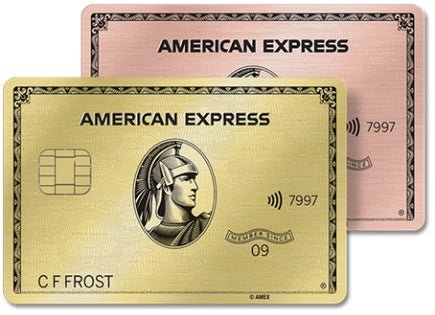
The American Express Gold Card Fee Structure
The American Express Gold Card is positioned as a premium travel and dining card. Because it is designed for people who move between different regions and spend significantly on food and travel, American Express waives the foreign transaction fee. This 0% fee applies to all versions of the personal Gold card issued in the United States. For a closer look at its rewards and costs, read our American Express Gold Card review.
It is worth noting that while the transaction fee is 0%, the card does have an annual fee. When deciding if this card fits a specific lifestyle, one must weigh the lack of transaction fees and the rewards earned against that fixed yearly cost. For someone who spends several thousand dollars abroad annually, the savings from the 0% foreign transaction fee can help offset a portion of the annual fee.
Earning Rewards on International Spending
One reason the Gold card is a frequent choice for international travelers is how it handles rewards outside the United States. The card is famous for earning high multipliers on dining and at US supermarkets. However, the rules for these categories differ when you cross the border.
Dining Rewards Globally
The American Express Gold Card currently offers 4x Membership Rewards points at restaurants worldwide. This is a significant advantage, as many other cards limit their high earning rates to domestic dining only. Whether you are eating at a cafe in Rome or a bistro in Tokyo, the purchase should still earn 4x points, provided the merchant is correctly categorized as a restaurant.
Supermarket Rewards Constraints
The earning structure for supermarkets is different. The card earns 4x points at US supermarkets, but this multiplier does not typically apply to grocery stores located outside the US. International grocery purchases usually earn the base rate of 1x point per dollar. Travelers who plan to cook while staying in international rentals should be aware that they will not see the same high reward rates at local markets that they do at home.
Comparing Amex Gold to Other American Express Cards
Not all American Express cards share the same fee-free international status. MoneyAtlas compares credit cards side by side, and the data shows a clear divide between "travel" cards and "everyday" cards within the American Express ecosystem.
The Blue Cash Preferred® Card and the Amex EveryDay® Credit Card are excellent tools for domestic spending, but they charge a 2.7% foreign transaction fee. If a cardholder uses one of these cards for a $2,000 hotel stay in London, they would pay $54 in fees. In that scenario, switching to the Gold card would be a smarter financial move.
The "Hidden" Fee: Dynamic Currency Conversion
Even with a card like the American Express Gold that charges 0% for foreign transactions, travelers can still fall into a trap called Dynamic Currency Conversion (DCC). This happens when a merchant or an ATM offers to charge you in US dollars instead of the local currency.
It may seem convenient to see the price in dollars at the point of sale. However, when you accept DCC, the merchant or the local bank chooses the exchange rate. This rate is almost always significantly worse than the official rate used by American Express. DCC markups often range from 3% to 7%.
If you choose to pay in US dollars at a restaurant in London, you might avoid the foreign transaction fee from your card, but you are paying a much higher "hidden" fee through a poor exchange rate. To get the best deal, always choose to be charged in the local currency (such as Euros, Yen, or Pounds). Let American Express handle the conversion, as their rates are typically very close to the market standard.
Merchant Acceptance of American Express Abroad
While the fee structure of the Gold card is favorable for international travel, acceptance is a separate factor to consider. Historically, American Express was accepted at fewer locations than Visa or Mastercard, especially in Europe and parts of Asia.
Acceptance has improved significantly in recent years. Major hotels, international airlines, and high-end retailers almost universally accept American Express. However, smaller shops, local markets, and family-owned restaurants in rural areas may still prefer local cards or cash.
For this reason, it is practical to carry a backup card. A Visa or Mastercard with no foreign transaction fee is a common companion for the Amex Gold. This ensures that if a merchant does not accept American Express, you still have a way to pay without incurring a 3% penalty.
For more options, browse no-annual-fee credit cards that may work as backup cards.
How American Express Converts Your Currency
When you make a purchase in a foreign currency, American Express converts that amount into US dollars before it appears on your statement. They use a daily exchange rate that they determine. This rate is usually based on the "interbank" or mid-market rate, which is the rate banks use to trade currency with each other.
MoneyAtlas users often ask if American Express has "bad" exchange rates. In reality, the rates provided by major networks like American Express, Visa, and Mastercard are very similar. They are usually within 1% of each other. The real cost difference between cards is almost always the foreign transaction fee itself, not the exchange rate used for the conversion.
ATM Withdrawals and International Cash
It is important to distinguish between using your Gold card for a purchase and using it at an ATM. While the card has no foreign transaction fee for purchases, using a credit card at an ATM is considered a cash advance.
Cash advances come with several expensive complications:
- Cash Advance Fees: You will likely pay a fee of $10 or 5% of the withdrawal, whichever is greater.
- Immediate Interest: Unlike purchases, which have a grace period, interest on cash advances starts accruing the moment you take the money out.
- Higher Interest Rates: The APR for cash advances is usually much higher than the APR for standard purchases.
For these reasons, the American Express Gold Card is not a tool for getting cash. A better strategy is to use a debit card from a bank that refunds international ATM fees or does not charge for foreign currency withdrawals.
Step-by-Step: Preparing Your Amex Gold for Travel
If you are planning to use your American Express Gold Card on an upcoming trip, following a few steps can ensure a smoother experience.
How to Prepare Your Amex Gold for Travel
- 1
Check your contact information
Verify that your mobile phone number and email are current in the American Express app. This allows them to reach you quickly if they detect a suspicious transaction.
- 2
Download the American Express app
The app allows you to track spending in real-time, see the converted US dollar amount for every purchase, and chat with customer service if you run into issues.
- 3
Confirm your PIN
While many countries use "chip and sign," some automated kiosks (like those for train tickets) may require a PIN. You can set or view your PIN in your online account settings.
- 4
Pack a backup card
Bring a Visa or Mastercard that also has no foreign transaction fees to use at merchants where American Express is not accepted.
Is the American Express Gold Card Right for Your Next Trip?
Deciding whether to use the Gold card abroad depends on your spending habits. If a large portion of your travel budget goes toward dining, the 4x points earning rate makes the Gold card one of the most rewarding options available. The lack of a foreign transaction fee ensures that these rewards are not "canceled out" by extra surcharges.
However, if you are traveling to a region where American Express acceptance is known to be low, or if you plan to spend heavily at international supermarkets where the 4x multiplier does not apply, you might find more value in a different travel card. MoneyAtlas provides comparison tools that allow you to see how the Gold card stacks up against other premium travel cards in terms of fees, rewards, and travel protections.
For guidance on weighing fees against rewards, read how to evaluate credit card annual fees, interest rates, and rewards.
Comparing Your Options
While the Gold card is a strong contender, the credit card market is competitive. Other cards, such as the Chase Sapphire Preferred® or the Capital One Venture Rewards Credit Card, also offer 0% foreign transaction fees and may have lower annual fees. You can review another popular travel option in the Chase Sapphire Preferred Card review.
When comparing these options, look at the specific categories where you spend the most. If dining is your biggest expense, the Gold card often wins on points. If you prefer a simpler "flat-rate" rewards system where every dollar earned is the same regardless of the merchant, a different travel card might be more appropriate. MoneyAtlas makes it easier to compare these features side by side so you can choose based on your actual spending patterns rather than marketing hype.
Final Thoughts on Avoiding Fees
Managing your money while traveling is about more than just picking the right card. It is about understanding the ecosystem of fees that banks and merchants use to increase their margins. By using a card with no foreign transaction fees, declining dynamic currency conversion, and avoiding credit card cash advances, you can keep your travel costs as low as possible.
The American Express Gold Card remains a benchmark for travel cards because it removes the most common barrier to international spending: the 3% surcharge. As long as you have a backup card for smaller merchants and stick to the local currency at checkout, the Gold card is a reliable and fee-efficient tool for exploring the world.
For related guidance on credit card costs, see MoneyAtlas's guide to comparing credit card fees, interest rates, and rewards.
FAQ
MoneyAtlas Staff
Articles and reviews from the MoneyAtlas editorial team — independent research on credit cards, banking, loans, insurance, and investing.
Related Articles

How to Get the Rose Gold American Express Card
Learn how to get rose gold American Express card designs as a new or existing member. Compare rewards, fees, and follow our easy steps to upgrade today.

Does American Express Gold Card Have Travel Insurance?
Does American Express Gold Card have travel insurance? Discover coverage for trip delays, lost baggage, and car rentals, plus key exclusions to know.

How to Get an American Express Gold Card: Eligibility and Steps
Learn how to get an American Express Gold Card with our guide on credit scores, income requirements, and the Apply with Confidence feature.