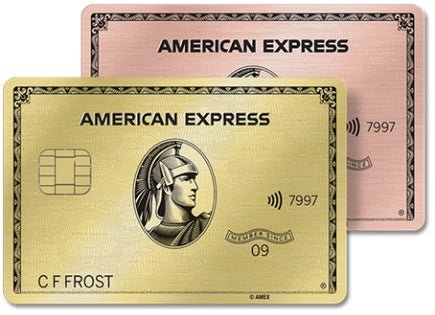
Whether you can buy gold with American Express depends primarily on the merchant you choose, but the short answer is yes. Many major online precious metal dealers and specialized brokerages accept American Express for the purchase of bullion, coins, and gold-backed assets. Because gold is a high-value commodity, using a credit card can be a strategic way to meet spending requirements for sign-up bonuses or to earn Membership Rewards points. However, buyers must navigate specific merchant fees and card policies that can impact the total cost of the investment. MoneyAtlas tracks these merchant trends to help investors understand the real-world costs of using credit for alternative assets. This guide covers how to execute a gold purchase with your card, the fees involved, and the specific American Express policies that govern precious metal transactions.
The American Express Policy on Precious Metals
Understanding how a card issuer classifies a transaction is the most important step before making a large purchase. In the past, many credit card companies treated the purchase of gold coins or bullion as a "cash equivalent." This classification meant the transaction was processed as a cash advance, which typically triggers immediate interest charges, higher APRs, and flat fees.
American Express updated its internal policies regarding precious metals in late 2021. As of October 1, 2021, the company removed precious metal coins, bullion, and digital precious metal products from its definition of a cash advance. This change was significant for investors. It means that when you buy gold from a recognized dealer, the transaction is generally treated as a standard purchase. You benefit from the standard grace period on interest and earn rewards points just as you would on any other retail spend.
The Difference Between Purchases and Cash Advances
When a transaction is labeled a purchase, you have until your statement due date to pay the balance before interest accrues. For someone using an American Express Gold or Platinum card, this provides a window of liquidity. Conversely, if a transaction were a cash advance, interest would start at 25% or higher the moment the trade is executed. For more background, MoneyAtlas explains how cash advance APRs work on credit cards.
Because American Express views gold as a purchase, you can also use "Plan It" features on eligible transactions. This allows you to split large gold purchases into monthly installments with a fixed fee instead of standard interest. While MoneyAtlas makes it easier to compare side by side how different cards handle large purchases, the core benefit here is the avoidance of the predatory terms often associated with cash advances.
Not every local coin shop or jewelry store will accept American Express due to the higher merchant processing fees associated with the network. However, the largest online bullion dealers in the US almost universally accept it. These dealers have the infrastructure to verify large transactions and manage the risk associated with credit card fraud.
Online Bullion Dealers
Major retailers like JM Bullion, APMEX, and SD Bullion are the most common destinations for those looking to buy physical gold with a card. These platforms allow you to add gold bars or sovereign coins, like American Eagles or Canadian Maples, to a digital cart and checkout using your American Express details.
Dealers generally have a maximum limit for credit card transactions. While you might be able to buy $50,000 of gold via bank wire, a dealer might cap credit card purchases at $5,000 or $10,000 per order. This is a security measure to protect both the dealer and the card issuer from high-value fraudulent activity.
Investment Platforms and Brokerages
Some specialized investment platforms allow you to fund an account or purchase "digital gold" using a credit card. Digital gold represents physical gold stored in a secure vault on your behalf. Platforms like Interactive Brokers or certain precious metal IRAs may allow card-based funding, though this is less common than direct retail purchases. When you are considering an ETF or another market-based alternative, you can compare brokerage accounts through MoneyAtlas.
When using a brokerage, the card is often used to fund the account balance rather than buying the asset directly. You should verify if the brokerage treats a card-funded deposit as a purchase or a cash advance, as its merchant category code might differ from a retail bullion dealer.
The Cost of Convenience: Credit Card Fees vs. Cash Prices
The biggest hurdle when buying gold with American Express is the "dual pricing" model used by the precious metals industry. Because dealers operate on very thin profit margins, often as low as 1% to 2% over the spot price, they cannot afford to absorb the 3% to 4% processing fee charged by credit card networks.
Most dealers offer two prices for every item:
The Cash/Wire Price: This is the lowest price, available to those paying via bank wire, paper check, or ACH transfer.
The Credit Card/PayPal Price: This price is typically 3% to 4% higher than the cash price.
Calculating the Math
If the spot price of gold is $2,500 and a dealer sells a one-ounce bar for a $50 premium, the cash price is $2,550. If you choose to pay with your American Express card, the dealer may add a 4% surcharge. This brings your total to $2,652.
In this scenario, you are paying an extra $102 for the convenience of using your card. Even if you are using an American Express card that earns 1% back on general purchases, you only earn $26.52 in rewards. You are still "net down" by more than $75 compared to paying with a bank wire.
Step-by-Step Guide to Buying Gold With Your Card
If you have determined that the convenience or reward potential justifies the dealer fee, follow these steps to ensure a smooth transaction.
How to Buy Gold With American Express
1
Select a reputable dealer
Research dealers that explicitly list American Express as an accepted payment method. Check for "A+" ratings from the Better Business Bureau and read recent customer reviews regarding shipping times and packaging security.
2
Verify the "Card Price"
Toggle the pricing filter on the dealer's website to show the credit card price rather than the default "as low as" cash price. This ensures you are looking at the actual cost you will pay at checkout.
3
Check your credit limit and "Spend Power"
American Express cards, especially the Gold and Platinum versions, often lack a traditional preset spending limit. Use the "Check Spend Power" tool in the American Express mobile app to see if a $5,000 or $10,000 gold purchase will be approved before you start the checkout process.
4
Complete the identity verification
Because gold is a high-fraud item, dealers may require additional verification for first-time credit card buyers. This might include a phone call, a request for a photo ID, or a small temporary "test" charge on your statement.
5
Secure your delivery
Ensure the dealer provides insured shipping and requires a signature upon delivery. Once the gold arrives, store it in a secure location, such as a home safe or a bank safety deposit box.
Strategic Reasons to Use American Express for Gold
Despite the fees, there are specific financial scenarios where using an American Express card is a calculated move.
Meeting Sign-Up Bonus Requirements
Many American Express cards offer substantial "Welcome Offers." For example, a card might offer 100,000 Membership Rewards points if you spend $6,000 in the first six months. If you were already planning to move $6,000 of your portfolio into gold, buying it with your card allows you to hit that requirement instantly. To compare rewards structures and current offers, review the best rewards credit cards.
The value of 100,000 points, which could be worth $1,000 to $2,000 when used for travel, far exceeds the 4% merchant fee.
Utilizing the Grace Period
If you see a dip in the gold price but your cash is tied up in a high-yield savings account or an investment that has not cleared yet, using a card allows you to "lock in" the price immediately. You can then pay off the card balance with your cash once it becomes available, effectively using the card's 25 to 55 day grace period as a short-term, interest-free loan. For a closer look at billing cycles, read when credit card interest begins accruing.
Purchase Protection and Security
While most American Express "Purchase Protection" benefits, which cover theft or accidental damage, specifically exclude "bullion and coins," using a credit card still offers better consumer protection than a bank wire. If a dealer fails to ship the product or the package is lost and the dealer refuses to help, you have the right to dispute the charge. This "chargeback" right is a powerful tool for high-value physical assets.
Common Pitfalls to Avoid
Buying gold with credit requires more discipline than a standard retail purchase. Small mistakes can lead to significant costs.
Ignoring Market Loss Policies: Most gold dealers have a "Market Loss Policy." If you buy gold and then try to cancel the order because the price of gold dropped, the dealer will charge your American Express card for the difference in price plus a cancellation fee, often 5%.
Carrying a Balance: If you do not pay the balance in full by the due date, the interest charges will quickly dwarf any investment gains. Gold prices rarely rise fast enough to outpace a 25% or 29% APR.
Exceeding Credit Utilization: A large gold purchase can spike your credit utilization ratio, which is the amount of credit you are using compared to your total limits. This can cause a temporary dip in your credit score. If you plan to apply for a mortgage or auto loan soon, a large gold purchase on your card could complicate the process.
If you want gold exposure but want to avoid the 4% dealer fee, other options may be more cost-effective. These methods allow you to use your capital more efficiently without paying merchant surcharges.
Gold ETFs (Exchange-Traded Funds):
You can buy shares of an ETF like GLD or IAU through a brokerage account. While you cannot usually buy stocks directly with a credit card, you can use the cash in your bank account that you would have otherwise used to pay the credit card bill. This avoids the 4% fee and the cost of physical storage.
Gold Mining Stocks:
Investing in the companies that extract gold provides a different type of exposure. These stocks often move in tandem with gold prices but can provide dividends, which physical gold does not.
Precious Metal IRAs:
For long-term retirement planning, a Gold IRA allows you to hold physical bullion in a tax-advantaged account. These are typically funded via rollovers or bank transfers rather than credit cards, avoiding the high fees associated with card transactions.
MoneyAtlas helps you compare the different ways to hold assets, whether through physical purchase or brokerage-based investments. If the goal is pure portfolio diversification, an ETF is often the more "mathematically correct" choice for most investors.
Evaluating the Investment: Is Gold Right for You?
Before using your American Express "Spend Power" on gold, consider the role of the asset in your portfolio. Financial experts often suggest that gold should make up no more than 5% to 10% of a total investment strategy. It is a non-productive asset, meaning it does not pay interest or dividends. Its value is entirely dependent on price appreciation.
Gold is traditionally viewed as a "hedge" against inflation and currency devaluation. When the dollar weakens, gold prices often rise. However, gold can be volatile in the short term. If you are buying gold with a credit card during a period of "peak hype," you run the risk of the price dropping before you even receive the shipment.
Final Decision Factors
Before you enter your card number on a dealer’s site, ask yourself three questions:
Is the total cost, including the 4% fee, still a good deal? Compare the total price to the current global spot price.
Does this purchase help me reach a specific goal? This could be a sign-up bonus or a specific portfolio allocation.
Do I have the cash to pay this off immediately? Using credit to "bet" on gold prices without having the underlying cash is a high-risk strategy that rarely ends well for the consumer.
By understanding the nuance of American Express's 2021 policy update and the reality of dealer fees, you can make a choice that protects your wealth rather than draining it through unnecessary fees. We provide the tools to compare these trade-offs clearly, ensuring that your next big purchase aligns with your broader financial goals. You can begin by reviewing the best credit cards comparison.
FAQ
Ready to pick a card?
Compare the cards our editors rate highest right now, side by side, with the fees and rewards that matter.
Wondering what is the difference between American Express Gold and Platinum? Compare annual fees, 4X vs 5X rewards, and luxury travel perks to find your fit.