
Discover it® Miles
Simple flat-rate travel rewards with a first-year match
Updated September 23, 2026 · By the MoneyAtlas Editorial Team
Pros
Unlimited Miles Match doubles year one: Discover matches every mile you earn in the first 12 months with no cap and no minimum spend, which turns 1.5x into an effective 3% for new cardmembers.
No annual fee to justify: The card costs nothing to hold, so even light spending stays net positive and there is no yearly math to run.
Nothing to activate or track: One flat rate applies to every purchase, with no rotating categories to enroll in and no quarterly caps to watch.
Cons
Miles are locked at one cent: There are no airline or hotel transfer partners, so you cannot chase outsized award redemptions the way a transferable currency allows.
Acceptance thins out overseas: The network is close to universal in the United States but patchy across much of Europe and Asia, which undercuts a card sold on travel.
The value is front-loaded: Once the first-year match ends, 1.5x is an ordinary rate that plenty of no-fee cards meet or beat.
Why we rate it 4.0/5
The first-year Miles Match is the entire case for this card: it doubles year one at no cost, but miles stay pinned at one cent with nowhere to transfer them.
A flat 1.5x is unremarkable on its own, but the first-year match lifts the effective rate to roughly 3% with no categories to manage. The one-cent redemption ceiling caps the upside permanently.
There is no annual fee, so every mile earned is net positive and the first-year match costs nothing to capture. On value per dollar of fee, very little competes.
The 0% intro APR for 15 months on purchases and balance transfers is genuinely useful, but travel protections are thin and Discover's uneven international acceptance is a real drawback on a travel card.
Nothing to activate, no caps to track, and redemption is a statement credit or a bank deposit at a fixed rate. Simplicity is the strongest thing this card has going for it.
Discover it® Miles is a flat-rate travel card with an unusual first-year twist. Discover matches every mile you earn after 12 months, with no cap and no minimum spend. That match is the whole pitch. Strip it away and what remains is a 1.5x card whose miles are worth exactly one cent each, redeemable as a statement credit or a deposit to your bank account. There are no airline or hotel transfer partners, so if you were hoping to turn miles into an outsized business-class seat, this card cannot do it. What it does well is pay a predictable rate on everything and charge nothing for the privilege.
Discover it® Miles at a Glance
How the Unlimited 1.5x Miles Rate Works
Every purchase earns 1.5 miles per dollar. Groceries, gas, a plane ticket, a dentist bill: all of it earns the same rate, with no categories to enroll in each quarter and no spending caps to bump against. Rotating-category cards can pay far more in the right quarter, but only if you remember to activate them and only up to a limit. This card asks nothing of you.
The tradeoff is that 1.5x is a middling rate on its own. Plenty of no-fee cards match it. The reason to look closer is what happens at the end of the first year.
The First-Year Miles Match, in Dollars
At the close of your first 12 months, Discover doubles every mile you have earned. There is no enrollment step and no ceiling. Because miles are fixed at one cent, the math is unusually easy to run in advance:
That works out to an effective 3% back for the first year, which beats almost every no-fee card on the market over that window. The catch is in the word first. In year two the rate reverts to 1.5x and the card becomes ordinary. Anyone treating this as a long-term travel card should know they are buying one very good year.
How to Redeem Discover Miles
Redemption is deliberately plain. You can apply miles as a statement credit against any purchase, or have Discover deposit their cash value into a linked bank account. Both routes value a mile at one cent, so 45,000 miles is $450 either way. There is no award chart to study and no seasonality to game.
There are also no transfer partners. This is the single fact that decides the card for most people, and it is buried or skipped by nearly every competing review. A transferable currency can occasionally return four or five cents per point through an airline partner. Discover Miles will return one cent, always. If that ceiling bothers you, you want a different card. If you would rather not think about award availability at all, the ceiling is a feature.
Fees, APR and the Intro Offer
There is no annual fee. New cardmembers get 0% intro APR for 15 months on both purchases and balance transfers, after which the rate runs 17.49%-26.49% variable depending on your credit. Carrying a balance at those rates erases rewards several times over, and the CFPB's explanation of credit card APR is worth reading if you are weighing the intro period against an existing balance.
Where Discover Is and Isn't Accepted
Inside the United States, acceptance is a non-issue. Discover is taken at the large majority of merchants that take cards at all, and the gap against Visa and Mastercard is small enough that most people never notice it.
Abroad is a different story. Discover's international footprint runs through partner networks and coverage is uneven, thinner across much of Europe and parts of Asia than a traveler would like. For a card sold on travel rewards, that is an awkward weakness. Carry a Visa or Mastercard as a backup on any international trip and treat this card as the one you use at home to earn.
Who Should Get This Card, and Who Shouldn't
Get it if you spend steadily, want travel rewards without learning a loyalty program, and value a guaranteed first-year double over a shot at a better redemption. Someone putting $15,000 through a card in year one collects about $450 and never has to think about it.
Skip it if you already chase premium redemptions, travel internationally often enough that acceptance matters, or expect the rewards structure to hold indefinitely. Issuers revise rewards programs at their discretion, a pattern documented across the market in CFPB research on the credit card market, and a card whose value is concentrated in one promotional year carries more of that risk than most.
Compare
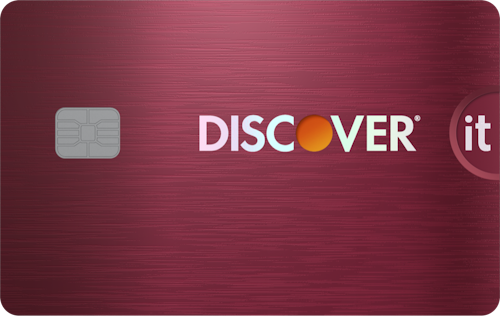



Discover it® Miles vs. Discover it® Cash Back
Both cards run the same first-year match, so the choice comes down to how you want to earn. Discover it® Cash Back pays 5% in rotating quarterly categories on up to $1,500 in spend, then 1% on everything else. It rewards attention. This card pays 1.5% equivalent on everything and rewards none. If you will reliably activate categories each quarter and your spending fits them, the cash back version returns more. If you know yourself well enough to doubt that, take the flat rate.
Building credit rather than optimizing rewards? Discover It® Secured carries the same match mechanic with a deposit requirement. And if the one-cent ceiling is the dealbreaker, a card in the travel credit cards category with transfer partners is the better hunting ground, starting with the Capital One VentureOne Rewards Credit Card or the Capital One Venture Rewards Credit Card.
The Bottom Line
Discover it® Miles is a one-good-year card, and it is honest about it. The Miles Match turns a forgettable 1.5x rate into an effective 3% for 12 months at zero cost, which is genuinely hard to beat if you spend steadily and redeem for statement credits. Past that year, and anywhere outside the United States, the shine comes off fast. Take it for the first year with clear eyes, and know what you will want to replace it with.