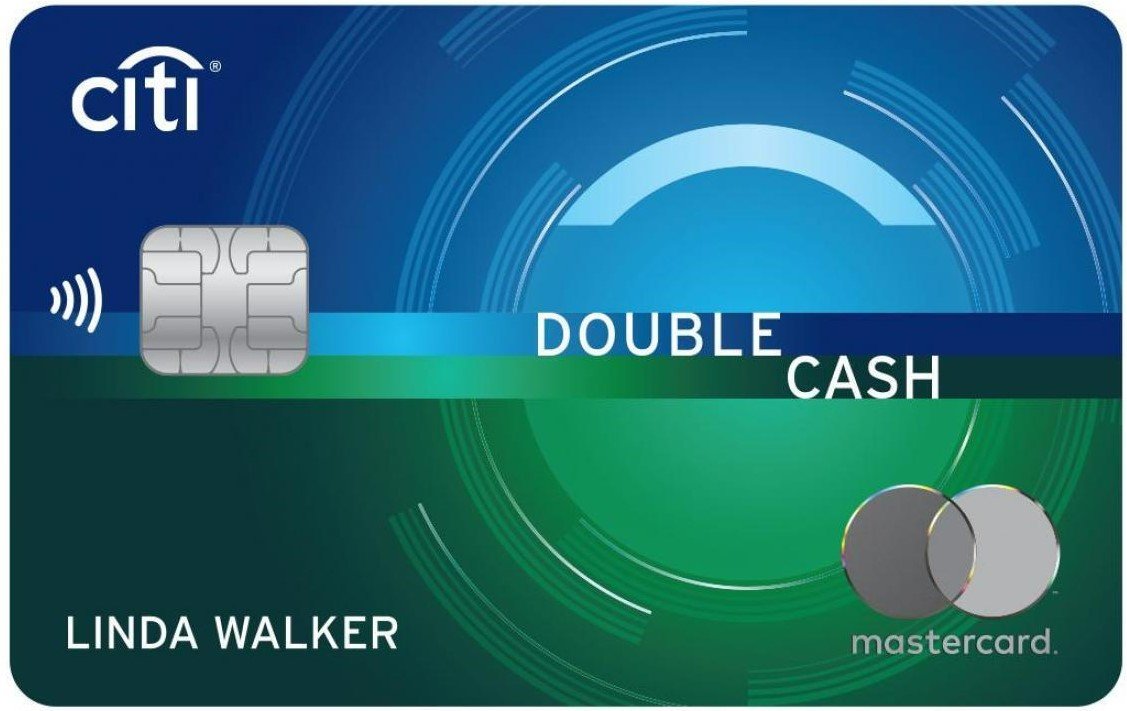
Citi Double Cash® Card
Earn cash back twice — on purchases and payments
Updated August 31, 2026 · By the MoneyAtlas Editorial Team
Pros
Simple earning structure: Earn 2% cash back on purchases, with 1% when you buy and 1% as you pay for your purchases, with no rotating categories to track or spending caps to worry about
No annual fee: Keep more money in your pocket with a zero annual fee, making it ideal for long-term use
Flexible rewards: No restrictions on which purchases you can earn cash back, making it perfect for everyday spending across all categories
Cons
Delayed rewards: Must pay your bill to earn the second 1% cash back, meaning you don't get the full 2% immediately at purchase
Limited premium perks: Lacks travel benefits, purchase protection, and other premium features found on higher-tier cards
3% foreign transaction fee: Charges 3% on every purchase made outside the United States or in a foreign currency, which wipes out the 2% cash back on international spend.
The card to hold when you do not want to think about categories
A flat 2% on everything with no annual fee is still one of the cleanest deals in cash back, and the long intro balance-transfer window makes it a genuinely useful debt card too. It falls down abroad and it asks you to actually pay the bill before the second 1% lands.
A flat 2% on every purchase with no categories, no enrolment and no spending cap, which beats most category cards on unplanned spending but trails them where you spend heavily.
A 2% earn rate for a $0 annual fee is close to the best value-per-dollar available in cash back; there is no break-even spend to clear.
Almost nothing beyond the earn rate: no travel or purchase protections worth planning around, and a foreign transaction fee that rules the card out abroad.
Nothing to activate or track, though the split 1%-on-purchase and 1%-on-payment structure is the most misunderstood part of the card.
The Citi Double Cash® Card is a long-time staple among flat-rate cash back cards. It earns an effective 2% cash back on most purchases (1% when you buy, 1% as you pay)and features a 0% intro APR on balance transfers, which can be useful for debt payoff. While the “1% as you pay” mechanic is slightly less straightforward than some competitors, Double Cash remains compelling—especially because rewards are earned as Citi ThankYou® Points, which can become more valuable if you have other eligible Citi cards.
At a Glance
- Welcome Offer:
- Rewards Rate: 2% Cash Back on all purchases (1% at time of purchase + 1% upon payment)
- Annual Fee:
- Foreign Transaction Fee: 3%
- Credit Score:
- Redemption: Rewards earned as ThankYou® Points, redeemable for cash, gift cards, or travel.
Overview
The Citi Double Cash® Card is a legend in the credit card world. For years, it was the only major card offering 2% back on everything. Today, it faces stiff competition, but it remains a powerhouse thanks to its simplicity and dual nature: it is both a great rewards card and a great debt-consolidation card.
Rewards & Benefits
- The 1% + 1% Structure:
- Earn 1% unlimited cash back automatically when you make a purchase.
- Earn an additional 1% unlimited cash back as you pay for those purchases, whether in full or over time.
- Verdict: As long as you pay your bill, it is a flat 2% card.
- ThankYou® Points Flexibility: Technically, you earn points (100 points = $1). This is a hidden benefit. While most people just cash them out, "power users" can combine these points with other Citi cards to book luxury travel.
- Mastercard® Benefits: Includes standard protections like ID Theft Protection and 24/7 Global Service.
Fees & Requirements
- Annual Fee: .
- Foreign Transaction Fee: 3%.
- Purchase APR:
- Introductory Balance Transfer APR: , then
- Credit Score: Requires credit. Citi can be sensitive to recent inquiries, so avoid applying if you've opened many cards recently.
Borrower Experience
- Redemption Options: You can redeem for a statement credit, direct deposit, or a check. The $25 minimum threshold is slightly annoying compared to Capital One (no minimum), but manageable.
- Tracking: Citi’s program uses a Purchase Tracker mechanism, and statements typically break out points earned on purchases vs. eligible payments.
Citi Double Cash Benefits
The benefit list here is short on purpose. There is no rotating calendar, no enrolment step and no spending cap: every purchase earns 2% cash back, split as 1% when you buy and 1% as you pay. For anyone who has forgotten to activate a quarterly category and watched a month of 5% earnings evaporate, that simplicity is the product.
Two things beyond the earn rate are worth counting. New cardholders can earn $200 cash back after spending $1,500 on purchases in the first 6 months, fulfilled as 20,000 ThankYou Points. And there is a 0% introductory APR on balance transfers for 18 months, which is a long window by current standards. Note that transfers do not earn cash back, and that under Reg Z payment allocation rules anything you pay above the minimum goes to the highest-APR balance first, so a purchase balance sitting alongside a transfer gets cleared before the 0% one.
What you do not get is a travel card's kit: no trip-delay or baggage protections, no lounge access, and a foreign transaction fee that makes this the wrong card to take overseas. The Double Cash earns its place as the default domestic card, not as the only one.
Who It’s Best For
- The "One Card" Strategist: If you hate juggling multiple cards and just want one piece of plastic that gives you a great return on everything, this is it.
- Balance Transfer Seekers: If you have high-interest debt on another card, moving it here gives you a year and a half (18 months) to pay it off interest-free while still keeping a decent card for the future.
- Citi Ecosystem Users: If you already have the Citi Custom Cash® or Citi Strata Premier, adding the Double Cash completes the "Citi Trifecta," maximizing your points earning.
Who Should Skip It
- International Travelers: The 3% foreign transaction fee makes this card a "stay at home" wallet dweller.
- Those Who Carry a Balance: If you don't pay off your purchase balance in full, you lose the "1% when you pay" benefit and get hit with interest.
- Thin-file/rebuilding applicants: approval standards vary, but this is generally positioned for established credit profiles (avoid presenting this as a hard rule).
Heavy grocery and dining spenders: a flat 2% quietly underpays you. Blue Cash Everyday earns more at U.S. supermarkets and gas stations, and Capital One Savor earns more on dining and entertainment. Work out what you actually spend in those categories before defaulting to the simple card.
Compare
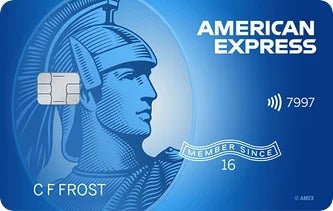
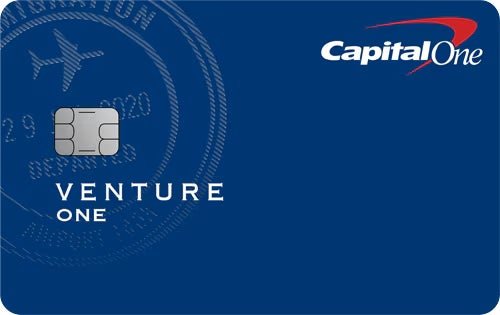


The honest comparison is flat-rate against everything else. Chase Freedom Unlimited pays less on general spending but adds bonus categories and a travel portal, and Chase Freedom Flex trades a lower base rate for rotating 5% categories you have to activate. If you will do the activating, those cards beat 2%. If you know you will not, they do not.
Foreign Transaction Fee
The Citi Double Cash Card charges a 3% foreign transaction fee on purchases made outside the United States. This is a significant drawback for international travelers or anyone who shops frequently on overseas websites. If you travel abroad regularly, you may want to pair the Double Cash with a no-foreign-transaction-fee card like the Capital One SavorOne or Wells Fargo Active Cash, which both waive this fee. For purely domestic spending, the 3% fee is irrelevant and the Double Cash remains one of the best flat-rate cash back options available.
When the fee applies. The 3% surcharge hits any transaction processed outside the U.S. banking network, which includes more than just trips abroad. Online purchases from foreign retailers, hotel deposits booked in local currency, and even some U.S.-based merchants that route payments through international processors will all trigger the fee. The CFPB's credit card resource explains how issuer fee disclosures are framed under the CARD Act, including how foreign transaction surcharges must be itemized on your statement.
The math: On $5,000 of international spend in a year, you would pay $150 in foreign transaction fees while earning $100 in cash back (2%). That is a net loss of $50 versus simply using a no-foreign-transaction-fee card. The breakeven point is zero — even a single dollar of overseas spend on this card is more expensive than putting it on a card without the fee.
How to use Double Cash strategically. Keep Double Cash for U.S.-only spending and pair it with a no-foreign-transaction-fee card for international purchases. Many travel-focused cards waive the fee entirely. If international spend is a small fraction of your total, the simplicity of a 2% domestic earner still makes Double Cash a worthwhile keeper — just do not put your hotel booking on it.
Credit Score & Approval Requirements
The Citi Double Cash Card generally requires good to excellent credit, with most approved applicants reporting a good to excellent credit profile. Citi considers your credit history, income, existing debt obligations, and relationship with the bank when evaluating applications. Having an existing Citi banking or credit card account may improve your approval odds. If you are unsure whether you qualify, Citi offers a pre-qualification tool on its website that lets you check your eligibility with a soft credit pull that does not affect your score.
On credit limits, Citi does not publish a starting figure and there is no reliable average to quote. Reported approvals cluster in the low thousands for thin files and run well above that for applicants with long histories and high reported income, because the limit is set from your credit profile and reported income, not from the card. If the opening limit comes in lower than you wanted, a request after six months of on-time payments is the usual route up, and keeping utilisation low matters more for your score than the limit itself does.
Bottom Line
The Citi Double Cash® Card remains a highly competitive no-annual-fee option for people who want simple, uncapped rewards. Its “1% when you buy + 1% as you pay” setup is slightly quirky, but the combination of a solid base earn rate, a meaningful balance transfer intro APR, and ThankYou Points compatibility keeps it firmly in the top tier of flat-rate cards